Punjab Chief Minister Bhagwant Mann calls a meeting on sacrilege Act on Sunday
Source Entity
The Indian Express
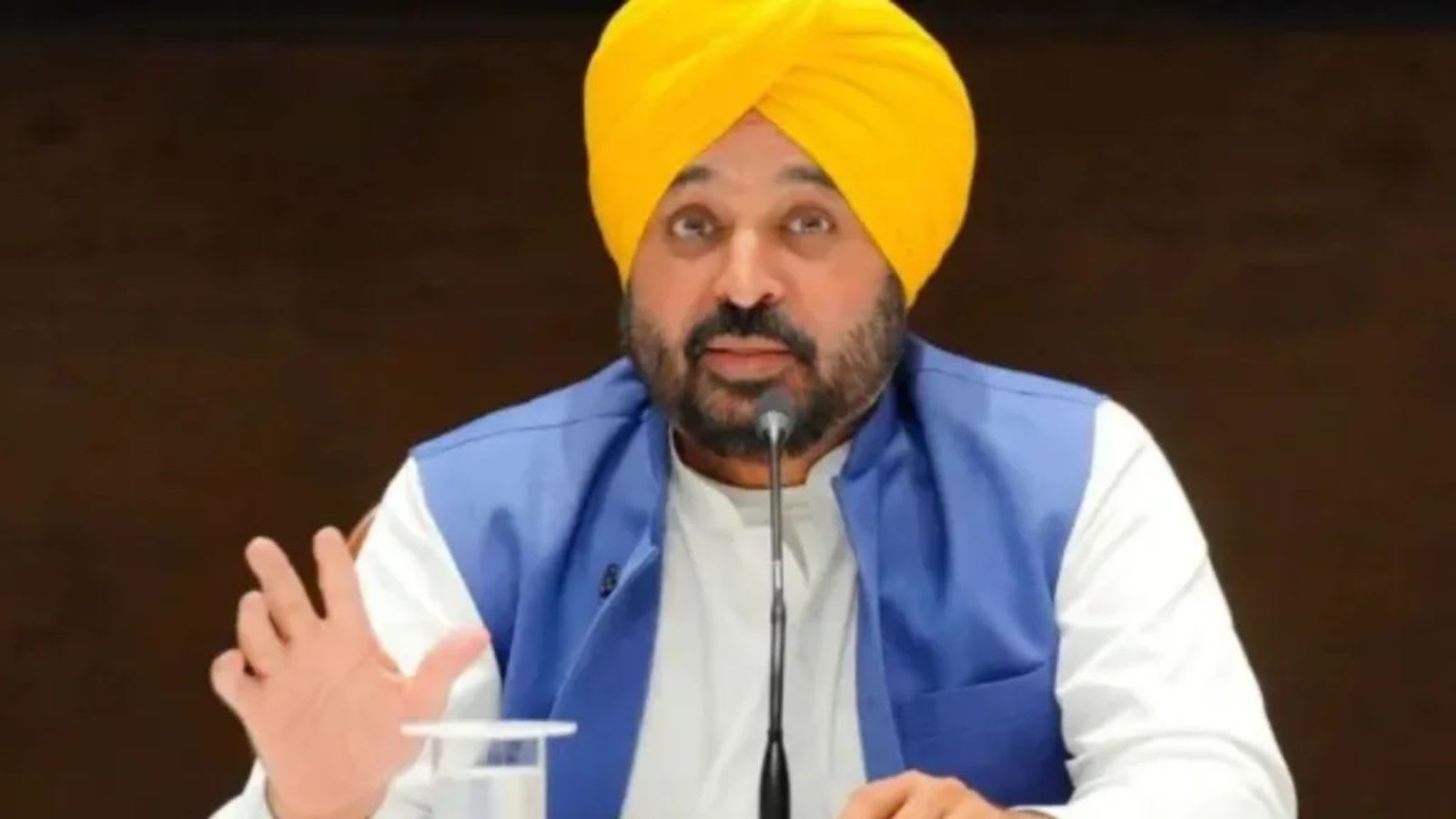
Punjab CM Bhagwant Mann has convened a meeting of a seven-member coordination committee to discuss the implementation of the Jaagat Jot Sri Guru Granth Sahib Satkar (Amendment) Act, 2026. The session aims to strengthen legal protections and ensure the highest standards of reverence for the holy scripture.
Strengthening Legislative Protections for Religious Sentiments in Punjab
Punjab Chief Minister Bhagwant Mann has officially summoned a seven-member coordination committee to his residence in Chandigarh on September 27 to discuss the implementation of the Jaagat Jot Sri Guru Granth Sahib Satkar (Amendment) Act, 2026. This high-level meeting marks a significant step in the state government's commitment to addressing long-standing concerns regarding the desecration of religious scriptures. By focusing on a specialized legislative framework, the administration is attempting to formalize a structure that ensures the sanctity of Sri Guru Granth Sahib is protected under the law.
The Role of the Coordination Committee
The formation of a seven-member committee, which includes esteemed figures such as a former Akal Takht jathedar, underscores the collaborative approach the Punjab government is taking. By involving religious leadership in the administrative process, the state aims to bridge the gap between legislative intent and the practical requirements of the Sikh community. This committee is tasked with deliberating on the specific provisions of the 2026 Amendment Act, ensuring that the legal language translates into effective enforcement on the ground.
Addressing Sacrilege and Public Sentiment
Sacrilege has historically been a highly sensitive and volatile issue in Punjab, often leading to social unrest and political friction. The push for the 'Satkar' (reverence) Act is a direct response to the public's demand for more stringent penalties and clearer protocols regarding the handling and protection of religious texts. By convening this meeting, the government is signaling a proactive stance, attempting to address the issue through institutional channels rather than reactive policy measures.
Challenges in Implementation
The implementation of the Jaagat Jot Sri Guru Granth Sahib Satkar (Amendment) Act, 2026, involves complex legal and social considerations. The committee must navigate the balance between upholding religious sentiments and maintaining civil order. The meeting in Chandigarh, scheduled for 1:00 pm in Sector 2, will likely focus on how the Act can be applied uniformly across the state to prevent future incidents of disrespect, which have plagued the region's social harmony for years.
Broader Implications and Future Trends
This development suggests a trend toward localized, value-based legislation in Punjab. If this committee successfully establishes a robust framework for the implementation of the Act, it could set a precedent for how the state handles other religious and cultural preservation issues. The move is not merely administrative; it is a strategic effort to consolidate public trust and demonstrate the government's alignment with the deeply held beliefs of the populace.
Conclusion
The upcoming meeting of the coordination committee represents a critical juncture for the Punjab government. By prioritizing the legal framework surrounding the Jaagat Jot Sri Guru Granth Sahib Satkar (Amendment) Act, 2026, the state is making a concerted effort to institutionalize reverence and accountability. The outcome of these deliberations will likely have lasting impacts on the state’s approach to religious sensitivity and the maintenance of communal harmony.