A secular republic’s sacrilege problem
Source Entity
India Latest News: Top National Headlines Today & Breaking News | The Hindu
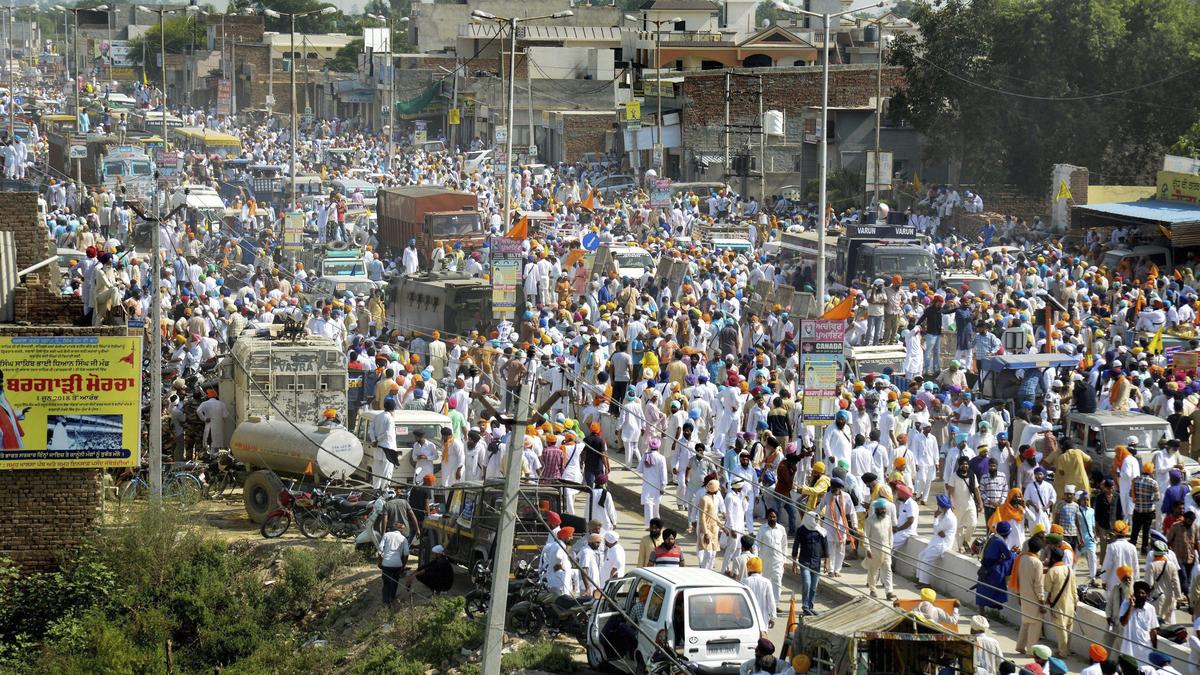
Punjab's new sacrilege law mandates life imprisonment for the desecration of the Guru Granth Sahib. This legislation highlights a growing tension between India's secular constitutional framework and state-level laws addressing religious offense.
The Legislative Shift in Punjab
In April 2026, the Governor of Punjab officially assented to the Jaagat Jot Sri Guru Granth Sahib Satkar (Amendment) Act, marking a significant escalation in the legal response to religious desecration. By legislating life imprisonment as a potential sentence for offenses against the Guru Granth Sahib, the state of Punjab has established what is arguably the most stringent anti-sacrilege statute in India. This legislative move follows a decade of intense civil agitation, rooted in the 2015 desecration incidents at Bargari and Burj Jawahar Singh Wala, which subsequently led to the tragic police firing incident at Behbal Kalan.
Broadening the Scope of Offense
The most controversial aspect of the new legislation lies in its expansive definition of sacrilege. Rather than limiting the scope to physical destruction or damage, the Act encompasses words, signs, and various representations. By bringing expressive conduct under the purview of criminal law, the state has effectively widened the net for potential prosecution. This shift suggests that the state government is prioritizing the prevention of communal unrest through punitive measures, even at the cost of broader interpretations of free expression.
The Secularism Dilemma
The adoption of this law presents a fundamental challenge to the constitutional ideal of India as a secular republic. The Indian Constitution, which enshrines secularism as part of its “basic structure,” generally balances the right to religious sentiment with the right to free speech. The Punjab amendment tests the boundaries of this balance, as the criminalization of "signs and representations" risks chilling protected speech, potentially setting a precedent that state legislatures have the authority to criminalize religious offense in ways that depart from national standards.
Historical Context and Communal Sentiment
To understand the urgency behind this law, one must look at the historical trauma caused by the 2015 incidents. The protests at Behbal Kalan were not merely about religious texts; they were symptomatic of a deeper, long-standing grievance regarding state accountability and the protection of Sikh sentiments. The new law serves as a state-sanctioned acknowledgement of these grievances, attempting to institutionalize protection for religious symbols that are central to the identity of the majority population in the region.
Future Implications for Governance
Looking forward, the implementation of this Act will likely face rigorous judicial scrutiny. As the law moves from the books to the courtroom, the judiciary will be tasked with determining whether life imprisonment for non-violent expressive conduct is proportionate. This development signals a trend where state governments are increasingly willing to utilize heavy-handed criminal statutes to manage communal sensitivities, a trend that could influence legislative patterns in other states facing similar religious or social tensions.
Conclusion
The Jaagat Jot Sri Guru Granth Sahib Satkar (Amendment) Act represents a pivotal moment in the intersection of faith and law in India. While it provides a clear legal framework to address deeply felt communal hurt, it simultaneously places the secular character of the state under intense pressure. As Punjab navigates the enforcement of this law, the broader implications for civil liberties and the role of the state in religious matters will remain a central theme in Indian political discourse.
Verification Required?