Vladimir Putin and the pariah problem
Source Entity
Latest News: Todays Latest News Headlines from India & World | Hindustan Times | Hindustan Times
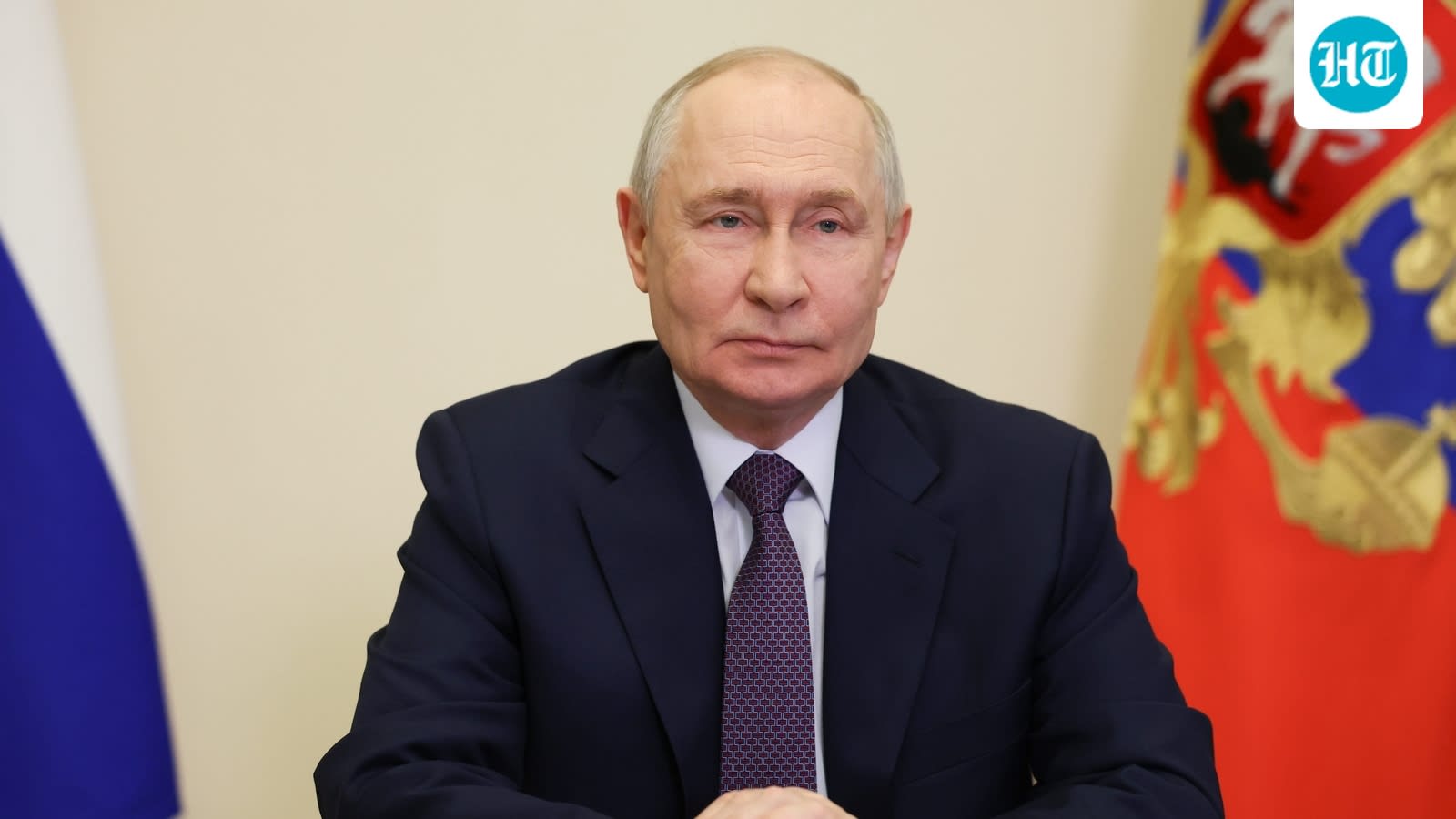
Vladimir Putin's ongoing aggression in Ukraine, marked by infrastructure strikes and sabotage, has solidified Russia's status as a global pariah. The West faces a critical challenge in balancing moral condemnation of these actions with the urgent need to sustain Ukraine's survival.
The Escalating Crisis of Russian Aggression
President Vladimir Putin’s ongoing campaign against Ukraine has entered a perilous phase, characterized by a deliberate strategy to inflict maximum suffering through the winter months. By targeting critical energy infrastructure and urban centers, Russia is attempting to weaponize the climate, turning the lives of millions of Ukrainians into a daily struggle for basic survival. This systematic destruction, spanning over four years of full-scale conflict, reflects a shift from conventional military strategy to a war of attrition aimed at breaking the morale of a nation that has refused to capitulate.
The Global Impact of Economic Sabotage
Beyond the immediate humanitarian toll, Russian military operations have severely disrupted global stability. The deliberate battering of Ukrainian ports is not merely a tactical maneuver; it is an assault on international food security. By jeopardizing grain shipments, Moscow is leveraging the hunger of hundreds of millions of people in the developing world to pressure the global community. This strategy highlights the cynical nature of Russia's current geopolitical posture, where regional dominance is sought at the cost of global humanitarian stability.
Expanding Hostility Across Europe
Recent reports indicate that Russia is increasingly engaging in acts of sabotage throughout Europe, signaling a dangerous expansion of the conflict’s theater. These covert operations, combined with increasingly erratic nuclear rhetoric directed at Western powers, underscore the unpredictable trajectory of the Kremlin's foreign policy. Such actions are forcing Russia's neighbors to reassess their national security doctrines, as the threat posed by a 'rogue state' actor becomes a central concern for the stability of the European continent.
The Strategic Dilemma for the West
Western nations are currently navigating a complex strategic paradox. While there is a clear moral imperative to label and treat the current Russian leadership as a pariah, this condemnation must not distract from the primary objective: the survival and sovereignty of Ukraine. The focus must remain on providing the necessary defensive capabilities to counter missile and drone strikes, rather than allowing rhetorical indignation to substitute for tangible military and humanitarian support.
Future Trends and Geopolitical Outlook
Looking ahead, the situation suggests a prolonged period of instability. As Russia continues to isolate itself from the international order, the reliance on aggressive posturing and internal repression will likely intensify. The future of European security will depend heavily on the resilience of the Ukrainian front and the unity of the Western alliance. Unless a cohesive strategy is developed to contain these rogue-state tactics, the risk of escalation—whether through unintended kinetic conflict or the normalization of sabotage as a tool of statecraft—remains high.
Conclusion
In summary, Vladimir Putin’s actions have fundamentally altered the security landscape of the 21st century. The transition of Russia into a state that openly defies international norms requires a robust and measured response. Ensuring that Ukraine is not sacrificed in the name of global geopolitical maneuvering is the most critical challenge facing the international community as it confronts a winter of heightened uncertainty and potential escalation.
Verification Required?