‘Opened Pandora’s box’: Putin warns Ukraine after strike on Russian economic infra
Source Entity
VIJAYA SRIVASTAVA
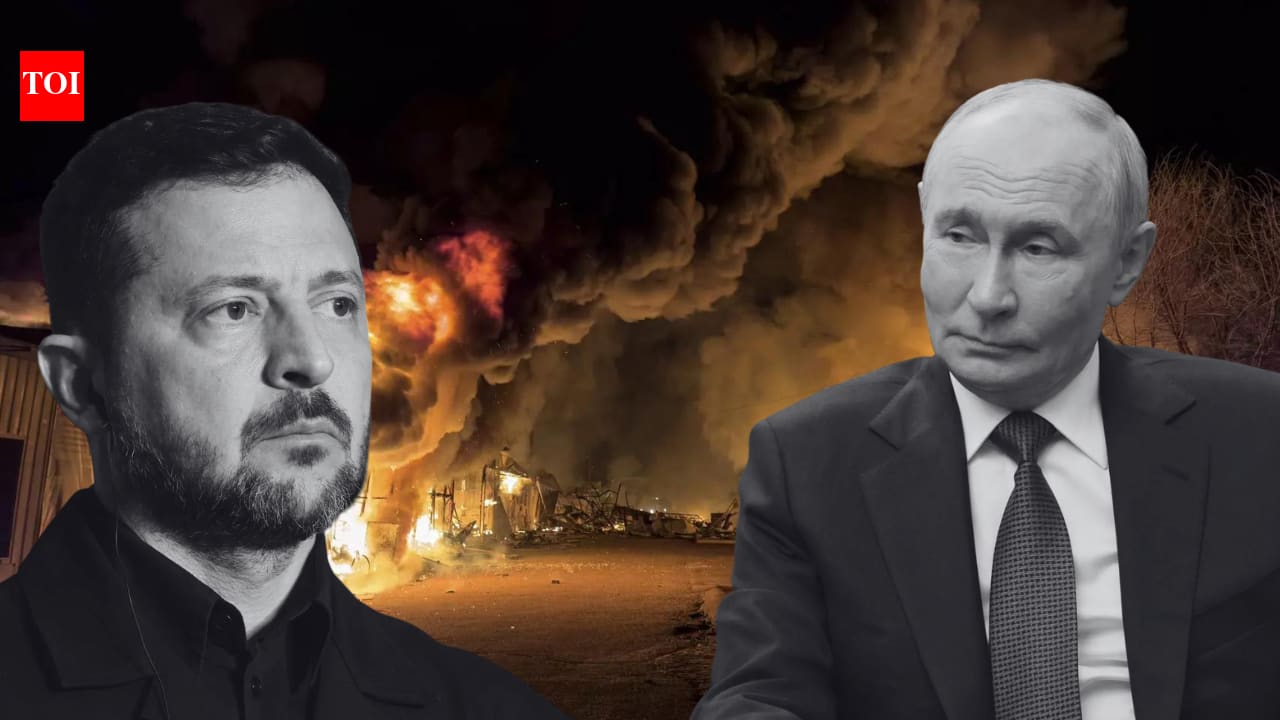
President Vladimir Putin has vowed retaliatory strikes against Ukrainian economic infrastructure following recent drone attacks on Russian facilities. The escalation marks a significant hardening of rhetoric as both nations continue to target each other's industrial and civilian centers.
The Escalation of Economic Warfare in the Russia-Ukraine Conflict
The Opening of Pandora’s Box
Russian President Vladimir Putin recently issued a stern warning to Kyiv, declaring that recent Ukrainian drone strikes against Russian industrial facilities—including an Ozon warehouse in the Samara region—have effectively "opened Pandora’s box." This rhetoric signals a pivotal shift in the ongoing conflict, moving beyond frontline military engagements toward a direct, systematic targeting of domestic economic infrastructure. By framing these strikes as a catalyst for a broader retaliatory campaign, the Kremlin is signaling its intent to intensify its offensive capabilities against Ukraine's most sensitive economic sectors.
Impact on Global Commodity Markets
Despite the destruction of industrial sites and the disruption of logistical hubs, Putin has sought to project stability regarding the global supply chain. He explicitly stated that Russia’s own shipping difficulties and the broader instability caused by the conflict would not result in shortages on global markets. His argument rests on the claim that Moscow possesses the capacity to compensate for disruptions to Ukrainian agricultural exports. This assertion serves as both a strategic reassurance to international partners and a geopolitical maneuver intended to undermine Ukraine’s role as a reliable global breadbasket.
The Cycle of Retaliation and Civilian Toll
The conflict continues to exact a heavy toll on non-combatants, as evidenced by the recent Russian drone strike on a shopping center in Kryvyi Rih, which resulted in 14 deaths. These attacks on civilian-dense infrastructure highlight the brutal reality of the current phase of the war. As Ukraine intensifies its drone program to cripple Russian oil refineries and supply chains, Moscow is responding with high-impact strikes on Ukrainian urban centers, creating a cycle of violence that complicates any potential path toward de-escalation.
Geopolitical Pressure and Diplomatic Posturing
While the military situation intensifies, the diplomatic landscape remains strained. Ukraine and its Western allies are actively coordinating to increase pressure on Russia through sanctions and diplomatic isolation. Simultaneously, Vladimir Putin continues to maintain that Moscow remains open to negotiations. However, the juxtaposition of these peace overtures with the threat of expanded strikes against economic infrastructure suggests that any potential dialogue remains distant, as both parties prioritize the degradation of the other's internal economic viability over immediate ceasefire talks.
Future Trends and Strategic Outlook
Looking ahead, the targeting of economic assets suggests that the war is entering a phase of industrial attrition. The strategic focus on oil refineries, warehouses, and transport hubs indicates that both sides are attempting to drain the resources necessary to sustain the war effort. If this trend continues, the stability of regional energy markets and global food security may face increasing volatility. The international community is now tasked with navigating a landscape where economic infrastructure has become a primary theater of war, potentially forcing a recalibration of how global actors engage with both nations moving forward.