PWD gets ₹2.68 crore to fortify three rehabilitation sites for Vallarpadam project evictees
Source Entity
India Latest News: Top National Headlines Today & Breaking News | The Hindu
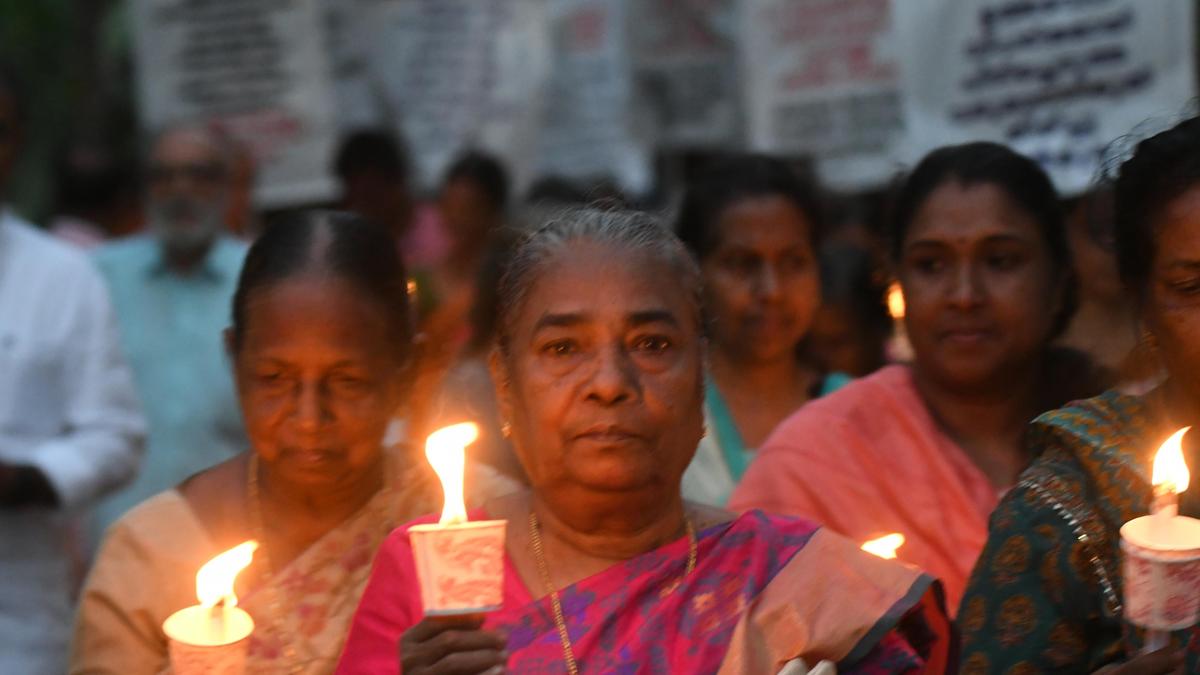
The Public Works Department has received ₹2.68 crore to improve three rehabilitation sites for families displaced by the 2008 Vallarpadam project. This funding marks a significant step toward making the marshy land habitable following years of advocacy.
Infrastructure Development and Rehabilitation Efforts in Vallarpadam
Addressing a Longstanding Grievance
The recent allocation of ₹2.68 crore to the Public Works Department (PWD) marks a critical turning point for families displaced by the 2008 rail and road connectivity projects of the Vallarpadam International Container Transhipment Terminal. For over a decade, these families have faced significant hardships due to the poor condition of the land provided for their resettlement. The marshy nature of these sites rendered them largely unsuitable for habitation, turning a project meant for development into a source of enduring social distress.
Financial Mechanics of the Project
The funding process highlights a collaborative effort between administrative bodies. The capital has been successfully transferred from funds deposited by the Cochin Port Authority (CoPA) into the district collector’s account, and subsequently credited to the account of the PWD Executive Engineer. This structured financial pipeline ensures that the resources earmarked for the rehabilitation of the evicted families are directly utilized for the intended infrastructure improvements, bypassing potential administrative bottlenecks.
The Role of Administrative Proactivity
The intervention of District Collector G. Priyanka has been instrumental in breaking the deadlock surrounding this issue. By facilitating the release of these funds, the district administration has responded to the persistent advocacy of the Moolamppilly Coordination Committee. This development demonstrates the importance of administrative responsiveness in resolving legacy issues that arise from large-scale infrastructure projects, where the human cost of displacement is often overlooked in the initial planning phases.
Future Outlook and Technical Implementation
With the funds now secured, the PWD is prepared to initiate the fortification work. The transition from planning to execution hinges on the upcoming tendering process. Once finalized, the physical fortification of the three sites will likely involve land filling, drainage improvements, and site stabilization to transform the currently uninhabitable marshland into functional residential plots. This effort is essential to finally fulfilling the state’s commitment to the displaced families.
Broader Implications for Development
The Vallarpadam project remains a cornerstone of regional maritime logistics, yet its history serves as a case study for the complexities of land acquisition in densely populated regions. The focus on retroactively improving rehabilitation conditions reflects a growing recognition of the need for sustainable and humane development policies. As the PWD begins this work, it sets a precedent for how future infrastructure projects should prioritize the long-term well-being of displaced populations alongside their economic objectives.
Verification Required?