China confirms Xi-Trump-Putin historic summit. What will be on the agenda?
Source Entity
US Top News and Analysis
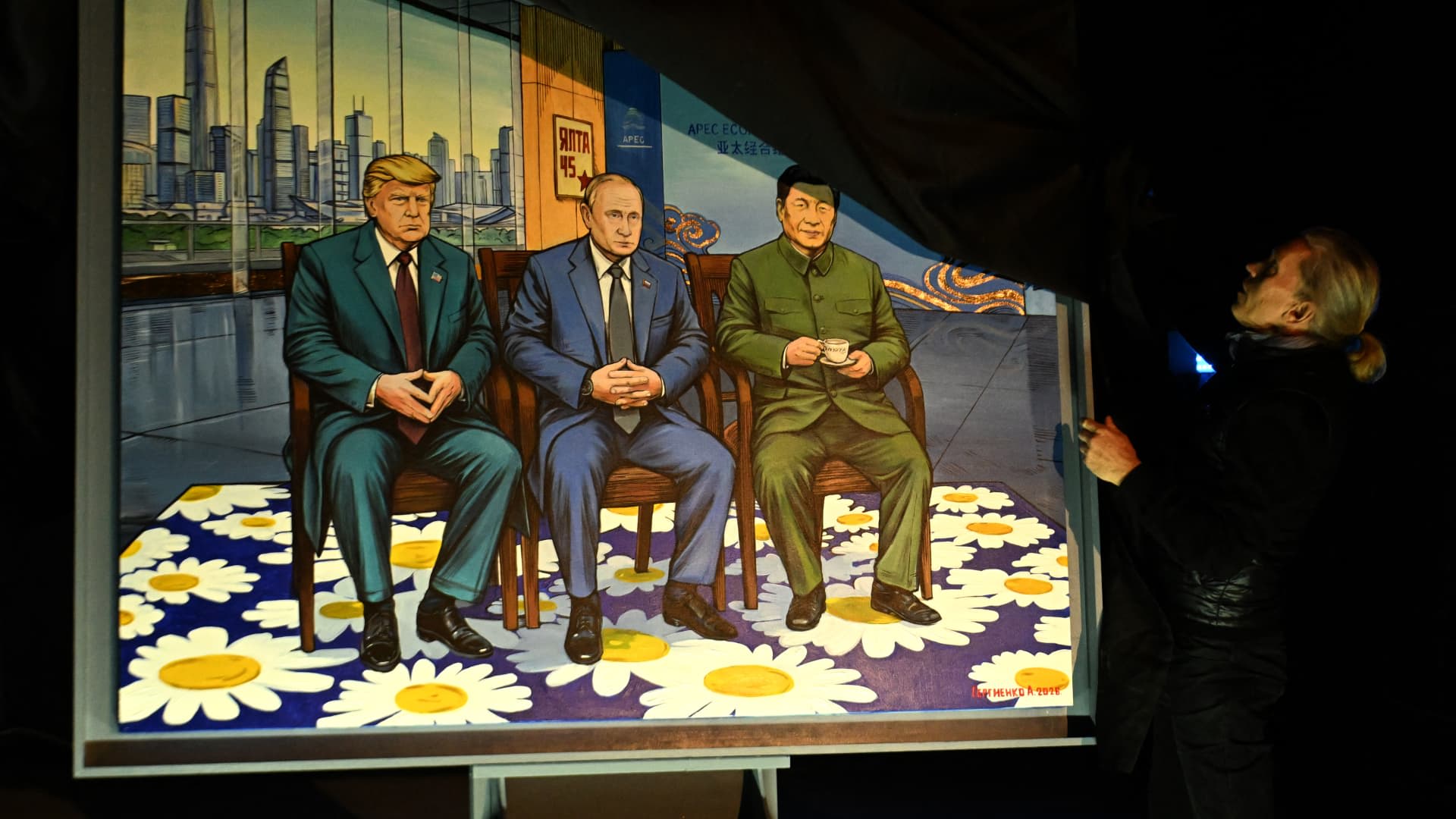
Global diplomacy reaches a pivotal moment as Quad leaders convene in Manila to address Indo-Pacific security, while a historic trilateral summit between Trump, Xi, and Putin is scheduled for November 19 in Shenzhen. These high-stakes meetings signal a complex shift in international power dynamics regarding trade, security, and global conflict.
A New Era of High-Stakes Diplomacy
The landscape of international relations is undergoing a profound transformation as global leaders converge for two distinct, high-impact diplomatic engagements. The recent Quad meeting in Manila, which brought together the leaders of India, Australia, Japan, and the United States, has effectively re-energized the grouping after a two-year hiatus. Simultaneously, the announcement of an unprecedented trilateral summit between the leaders of China, the United States, and Russia in Shenzhen marks a watershed moment in 21st-century geopolitics.
The Quad: Reasserting Indo-Pacific Stability
The Quad’s meeting in Manila serves as a crucial signal of resolve. By openly opposing unilateral military action and economic coercion in the Indo-Pacific, the member nations are signaling a collective commitment to maintaining a rules-based order. For India, this participation reinforces its strategic doctrine of multi-alignment, allowing the nation to balance its interests among Great Powers while asserting its influence in a rapidly shifting regional security architecture.
The Shenzhen Trilateral: A Historic Convergence
Perhaps the most significant development is the scheduled trilateral meeting between Presidents Xi Jinping, Donald Trump, and Vladimir Putin on November 19. Hosted in Shenzhen, this summit represents a 'first among equals' scenario that grants China considerable diplomatic capital. By bringing the leaders of the US and Russia to the table, Beijing is positioning itself as a central mediator in the global order, an act that carries immense symbolic weight regardless of the immediate policy outcomes.
Agenda and Global Implications
The agenda for the Shenzhen summit is extensive, covering critical issues such as nuclear non-proliferation, the ongoing war in the Middle East, trade policies, and the conflict in Ukraine. These topics are not merely bilateral grievances but foundational pillars of global stability. The inclusion of Artificial Intelligence and nuclear arms reduction on the agenda suggests that these three powers recognize the urgent need for guardrails in an increasingly volatile technological and military environment.
Navigating Complex Relationships
The historical context of these leaders' interactions adds a layer of complexity to the upcoming summit. With Xi having met with Trump multiple times since the previous year and maintaining a long-standing, frequent engagement with Putin, the rapport—or lack thereof—between these individuals will be tested. The unprecedented nature of this three-way format suggests that the leaders are attempting to manage the friction inherent in a multipolar world where economic and military interests often collide.
Future Trends and Strategic Outlook
Looking ahead, these meetings suggest a move toward more direct, leader-level negotiation as a primary tool for crisis management. While the Quad continues to focus on regional security and the containment of economic coercion, the trilateral summit in Shenzhen represents a broader effort to stabilize global flashpoints. The success of these initiatives will likely dictate the tone of international relations for the coming decade, determining whether the world moves toward a period of renewed cooperation or deeper, systemic fragmentation.
Multiple Citing Sources