Rabindra Bharati scraps teaching, non-teaching staff recruitments from TMC rule
Source Entity
Tanusree Bose
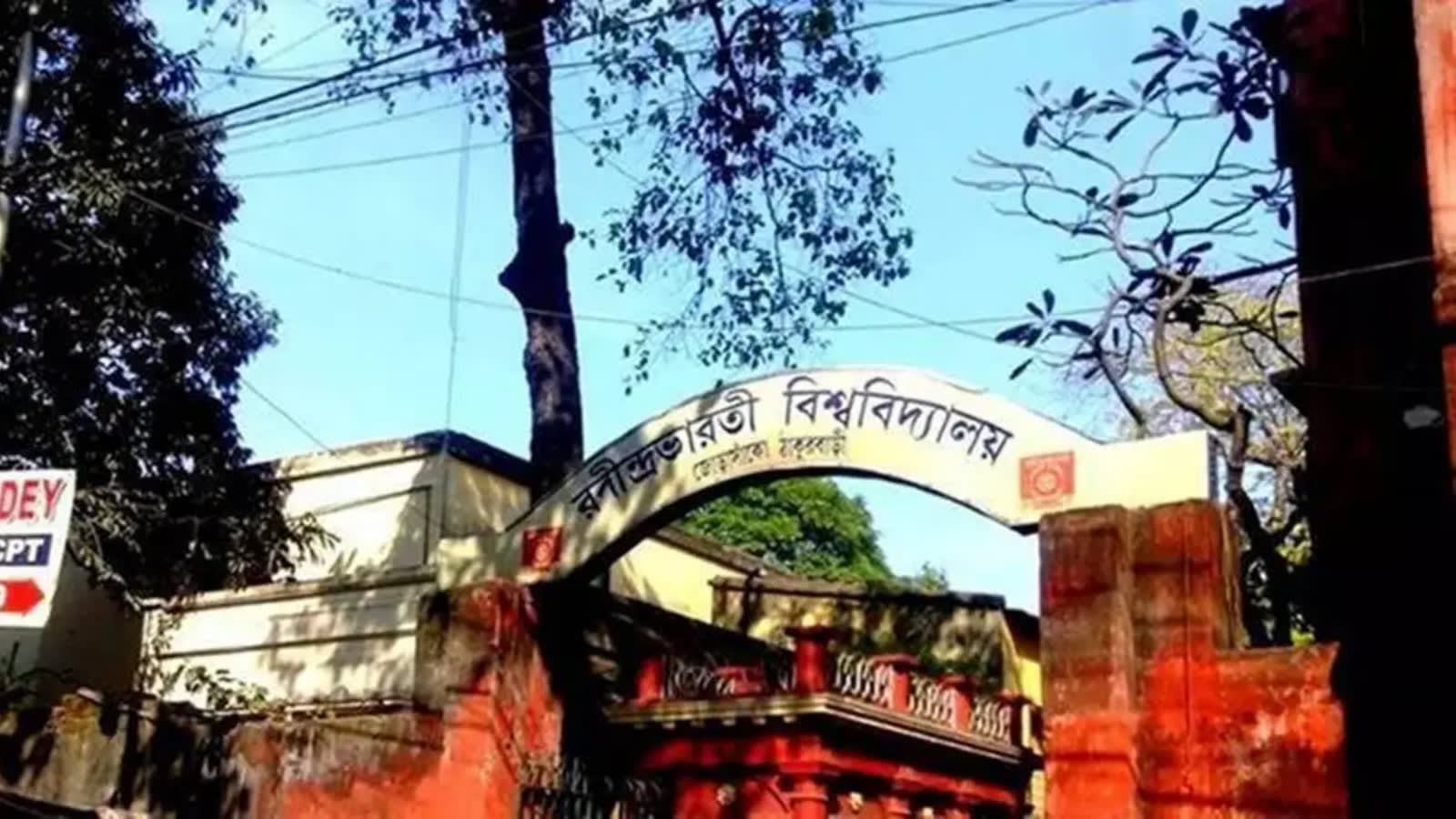
Rabindra Bharati University has annulled recruitment notifications for teaching and non-teaching roles issued between 2015 and 2020. The decision follows allegations of political corruption and pressure to favor individuals linked to the previous Trinamool Congress administration.
Institutional Integrity at Risk: The RBU Recruitment Fallout
Rabindra Bharati University (RBU) has taken a decisive, albeit controversial, step by cancelling recruitment notifications for both teaching and non-teaching staff that were processed during the tenure of the previous Trinamool Congress (TMC) rule. This move, finalized by the University’s Executive Council (EC) in an October meeting, targets hiring cycles that spanned from 2015 to 2019 for academic positions—including assistant, associate, and full professors—as well as a February 2020 notification aimed at non-teaching administrative roles.
The Shadow of Political Interference
At the heart of this decision lies a series of allegations regarding systemic corruption and undue political influence. According to university officials, the recruitment processes were marred by external pressures to appoint individuals specifically aligned with the interests of the former government and its leadership. By nullifying these notifications, the current administration is attempting to address concerns that meritocracy was bypassed in favor of political patronage, a common criticism leveled against public institutions in regions with highly polarized political landscapes.
Historical Context and Administrative Accountability
To understand the gravity of this situation, one must consider the historical vulnerability of state-funded universities to political maneuvering. When recruitment processes are perceived to be compromised by the ruling party, it degrades the academic standard and the institutional autonomy of the university. The decision to scrap these specific appointments suggests a broader effort to audit the legacy of the previous administration and restore a semblance of fair play in academic hiring, which is essential for maintaining the prestige of an institution like RBU.
Broader Implications for Higher Education
This event highlights the wider tension between academic independence and governmental oversight in West Bengal. The cancellation serves as a cautionary tale regarding how administrative processes can become entangled with political cycles. If recruitment is viewed as a tool for political consolidation, the long-term impact on student outcomes and research quality can be devastating. By taking this action, the Executive Council is signaling a pivot toward transparency, though it inevitably invites legal and administrative scrutiny from those whose appointments have now been voided.
Future Trends and Judicial Oversight
Moving forward, the university will likely face significant legal challenges from the affected candidates. The transition from an allegedly politically-influenced recruitment model to a more scrutinized, merit-based system will require rigorous oversight. Observers will be watching to see how the university plans to fill these vacancies in the future, as the success of this 'reset' depends entirely on the transparency of the upcoming recruitment drives. The RBU case is a clear indicator that public institutions are increasingly being forced to confront their past hiring practices to secure their future credibility.