Rachika Nayar’s Heaven Come Crashing is an instrumental epic of desperate longing
Source Entity
Terrence O’Brien
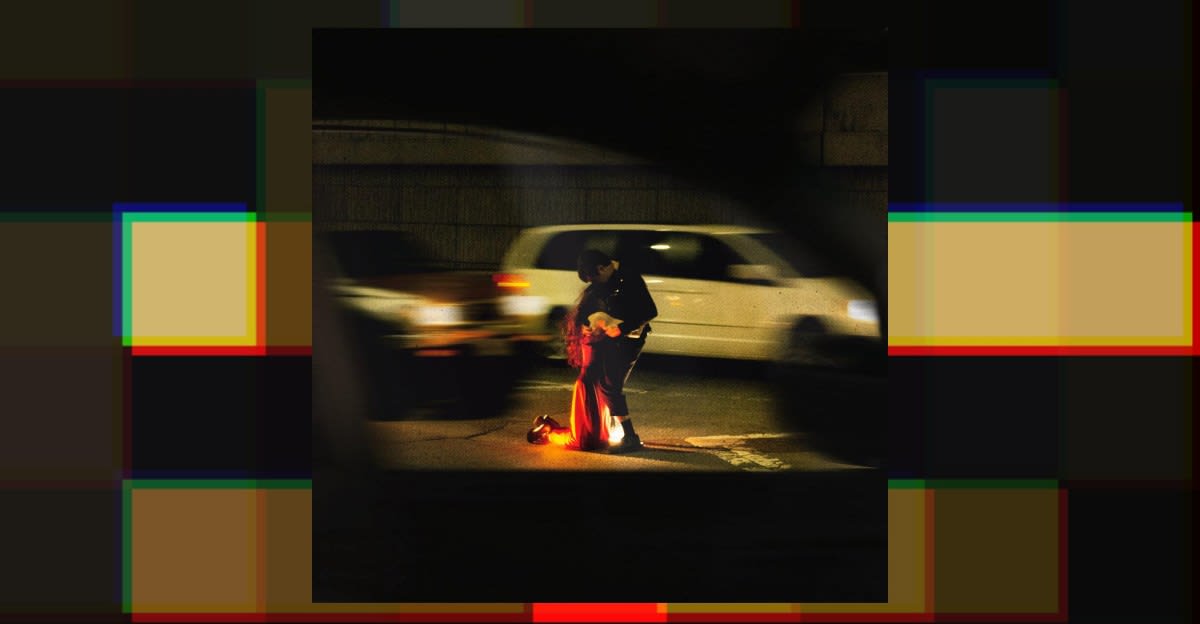
Rachika Nayar's album 'Heaven Come Crashing' marks a significant sonic shift by integrating percussion into her previously drum-free ambient style. The title track’s unexpected drum and bass drop highlights her evolution as an experimental artist.
The Sonic Evolution of Rachika Nayar
A Departure from Minimalist Roots
Rachika Nayar’s latest project, Heaven Come Crashing, represents a profound shift in the artist's discography. Known for the ethereal and largely percussion-less soundscapes of her debut record, Our Hands Against The Dusk, Nayar has long been celebrated for her ability to craft deep emotional resonance through pure synthesis and texture. The transition to this new project is marked by a deliberate, albeit sparse, introduction of rhythmic elements that challenge the listener's expectations of her established sonic identity.
The Impact of the Title Track
The most striking moment of the album occurs two minutes and thirty seconds into the title track, where an expansive drum and bass beat suddenly anchors the composition. For long-time listeners accustomed to the serene, ambient nature of her earlier work, this shift is jarring and transformative. By introducing such a massive percussive element, Nayar effectively breaks the atmospheric mold of her previous output, signaling a willingness to experiment with high-energy rhythmic structures that contrast sharply with her minimalist foundations.
Rhythmic Nuance and Technical Restraint
While the title track serves as the album's most dramatic rhythmic centerpiece, Heaven Come Crashing remains an exercise in restraint. The album is largely devoid of traditional percussion, save for subtle, tactical inclusions. Tracks like "Tetramorph" utilize rapid-fire, mechanical hi-hats to create tension, while "Gayatri" features a snare buried deep within the mix, providing a ghostly rhythmic pulse rather than a dominant beat. This demonstrates Nayar’s meticulous approach to production, where percussion is used as a textural tool rather than a standard rhythmic backbone.
Contextualizing the Artist's Growth
Nayar’s evolution mirrors a broader trend in experimental electronic music, where artists increasingly blur the lines between ambient sound design and club-influenced structures. By juxtaposing her signature lush, instrumental layers with sudden, explosive drum sequences, she creates a narrative of "desperate longing" that feels both intimate and grand. The contrast between the expected silence and the eventual "drum explosion" serves to heighten the emotional stakes of the music.
Future Implications for Experimental Ambient
As an artist who has mastered the craft of synth-based composition, Rachika Nayar’s foray into drum-heavy tracks suggests a promising trajectory for her future work. The ability to surprise an audience—especially those familiar with the absolute absence of percussion in her past—is a testament to her growth as a producer. Heaven Come Crashing stands as a pivotal record, proving that Nayar is not tethered to a single genre, but is instead exploring the full spectrum of instrumental storytelling.