PM Modi, Shah put CEC in charge of match-fixing elections: Rahul
Source Entity
TNN
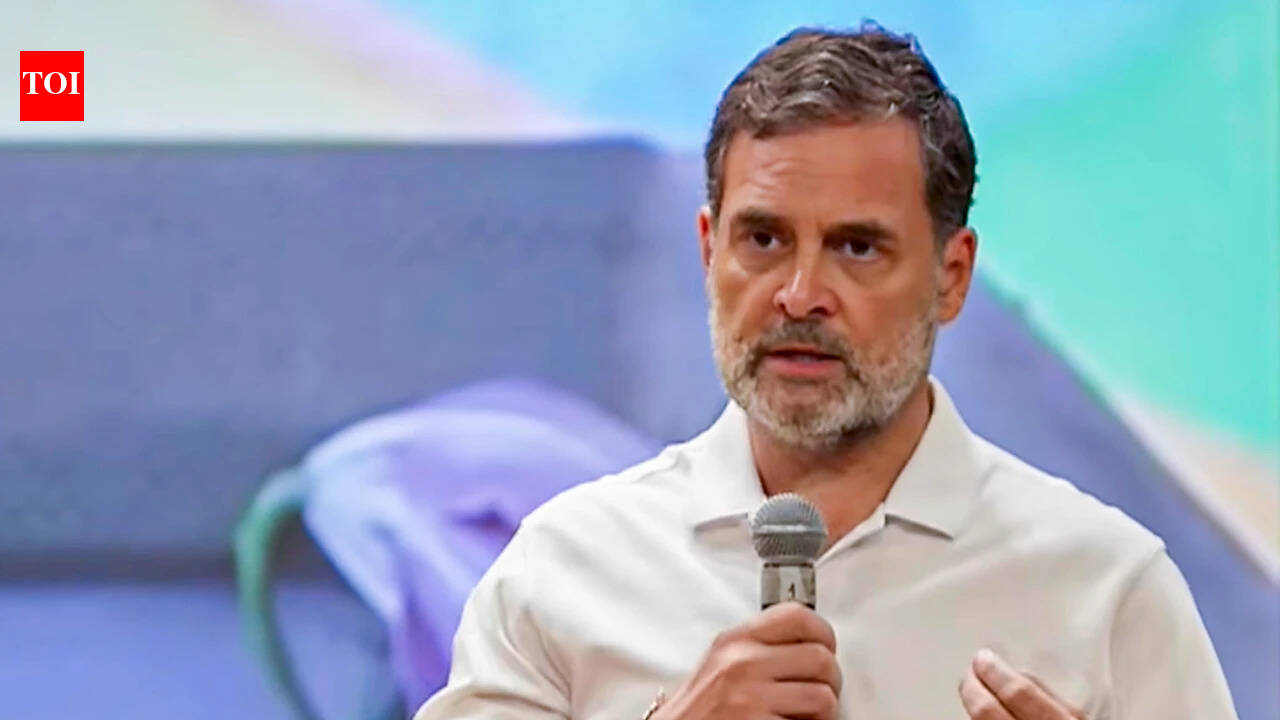
Rahul Gandhi has accused Prime Minister Narendra Modi and Home Minister Amit Shah of influencing the Election Commission to manipulate electoral outcomes. The allegations center on claims of systematic interference in the democratic process.
Allegations of Electoral Interference
Congress leader Rahul Gandhi has leveled serious accusations against Prime Minister Narendra Modi and Home Minister Amit Shah, alleging that they have effectively placed the Chief Election Commissioner (CEC) under their control to influence the outcome of elections. Gandhi’s remarks suggest a belief that the independence of India’s constitutional bodies is being compromised to favor the ruling administration, a claim he characterizes as 'match-fixing' the electoral process.
The Erosion of Institutional Integrity
The core of Gandhi's argument revolves around the perceived erosion of institutional autonomy within the Election Commission of India (ECI). By alleging that the top leadership of the country is directing the CEC, the opposition seeks to highlight concerns regarding the level playing field in Indian democracy. Historically, the ECI has been viewed as a pillar of Indian governance, responsible for conducting the world's largest democratic exercises; thus, any perception of partisanship poses a significant risk to the public's trust in the ballot box.
Political Polarization and Rhetoric
These statements reflect the intensifying political polarization between the Bharatiya Janata Party (BJP) and the Indian National Congress. Accusations of 'match-fixing' elections serve as a rhetorical device to mobilize the opposition base and draw international and domestic scrutiny toward the functioning of election oversight bodies. This narrative suggests that the legislative and executive branches are exerting undue pressure on independent watchdogs to secure political advantages.
Broader Implications for Indian Democracy
If such allegations gain traction, they could lead to widespread public skepticism regarding the legitimacy of future electoral outcomes. The strength of a democracy is fundamentally tied to the perceived fairness of its electoral referee. When political leaders openly question the neutrality of the Election Commission, it forces a national conversation about the mechanisms of appointment, the protection of tenure for election commissioners, and the overall transparency of administrative processes in India.
Historical Context and Future Trends
Historically, Indian elections have faced challenges regarding the influence of money, media, and administrative machinery. However, the explicit linking of the Prime Minister and Home Minister to the alleged manipulation of the CEC represents a significant escalation in political discourse. Moving forward, it is likely that calls for electoral reform will gain momentum, with opposition parties potentially demanding more transparent selection processes for election officials to ensure that the ECI remains insulated from executive influence.
Conclusion
In summary, Rahul Gandhi's accusations underscore a deep-seated tension regarding the health of democratic institutions in India. While the ruling party maintains that the election process remains free and fair, the persistence of these claims highlights a critical vulnerability in the political landscape. The integrity of the Election Commission remains a central issue that will continue to shape the narrative of Indian electoral politics in the coming years.