Don’t confuse PM Modi, convince him for open debate with me: Rahul Gandhi to Amit Shah
Source Entity
India Latest News: Top National Headlines Today & Breaking News | The Hindu
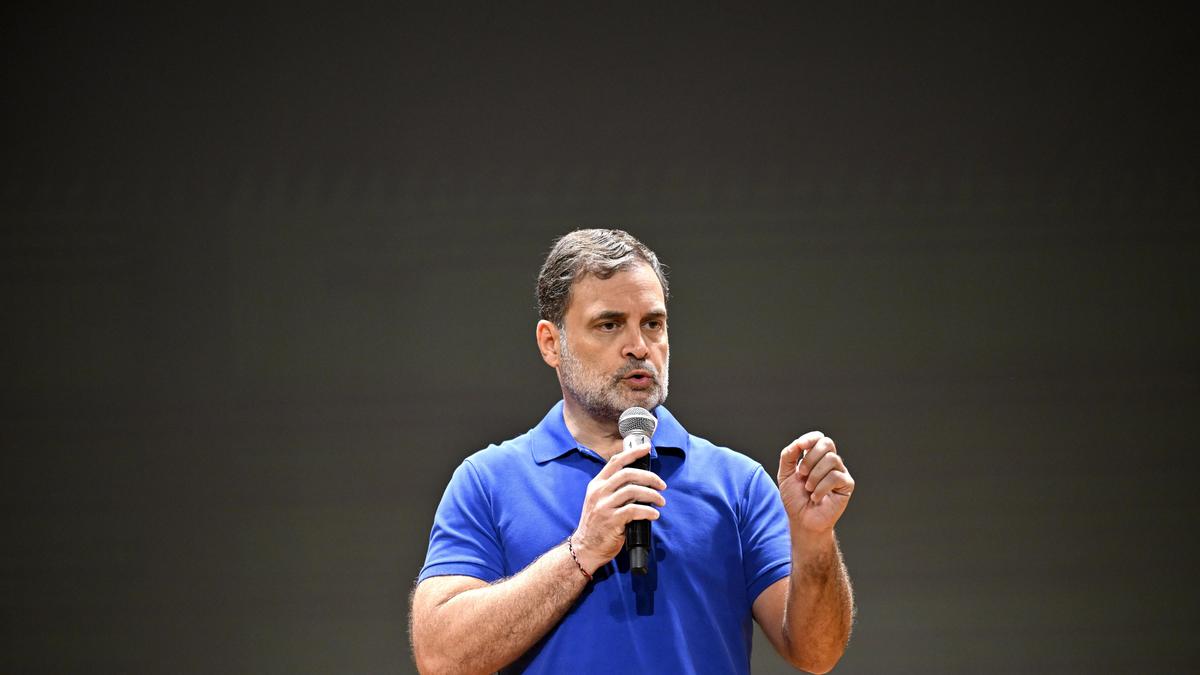
Rahul Gandhi has challenged Prime Minister Narendra Modi to an open debate regarding the Special Intensive Revision (SIR) of electoral rolls. Gandhi criticized Home Minister Amit Shah for allegedly sending mixed signals about the government's willingness to discuss the issue in Parliament.
The SIR Debate: A Political Standoff
The ongoing political confrontation between the Indian National Congress and the Bharatiya Janata Party (BJP) has reached a new intensity, centered on the Special Intensive Revision (SIR) of electoral rolls. Rahul Gandhi, serving as the Leader of the Opposition in the Lok Sabha, has issued a direct challenge to Prime Minister Narendra Modi, demanding an open, public debate on the matter to ensure transparency in the electoral process.
The Catalyst: Alleged Mixed Signals
The friction escalated when Rahul Gandhi shared a video montage on social media platform X, highlighting what he characterizes as contradictory statements from Union Home Minister Amit Shah. The clips contrast Shah's earlier assertion in Parliament that a debate on SIR was not possible, with his more recent comments suggesting the government is now open to a special parliamentary session to address the topic. Gandhi’s critique suggests that the Home Minister is creating confusion rather than providing clarity to the Prime Minister.
Defining the Terms of Engagement
Rahul Gandhi’s public stance—urging Amit Shah to "convince" the Prime Minister to engage in a face-to-face discussion—marks a strategic escalation. By stating, "Any platform, any time," Gandhi is attempting to shift the discourse from the controlled environment of the legislature to a broader public forum. This maneuver is designed to put the ruling party on the defensive, framing the Prime Minister’s potential silence as a sign of hesitation or fear.
Historical Context and Institutional Trust
This demand for a debate on electoral rolls is deeply rooted in broader concerns regarding the integrity of the voting process. Congress President Mallikarjun Kharge has reinforced this narrative, suggesting that the nation has significant questions regarding potential "vote theft." The SIR process is a critical administrative procedure, and by bringing it into the political limelight, the Opposition is attempting to leverage public concern to demand greater accountability from the executive branch.
Political Implications and Future Trends
The demand for a public debate reflects a wider trend in Indian politics where the Leader of the Opposition is increasingly utilizing digital platforms to bypass traditional parliamentary mediation. Should the government continue to refuse an open debate, the Opposition will likely continue to use the narrative of "fear" to mobilize public sentiment. Conversely, if the government concedes to a discussion, the format—whether parliamentary or public—will become a new battleground for political messaging.
Conclusion
Ultimately, the standoff over the SIR of electoral rolls is more than a technical dispute; it is a manifestation of the current power dynamic between the BJP and the Congress. As the Opposition pushes for more direct, face-to-face engagement, the government faces the challenge of managing these demands without appearing to evade scrutiny. The outcome of this exchange will likely set the tone for future parliamentary sessions and the broader political discourse leading into subsequent election cycles.
Verification Required?