From mass deportations to White House chief, how Stephen Miller became Trump's key pick
Source Entity
AADRITA HALDER
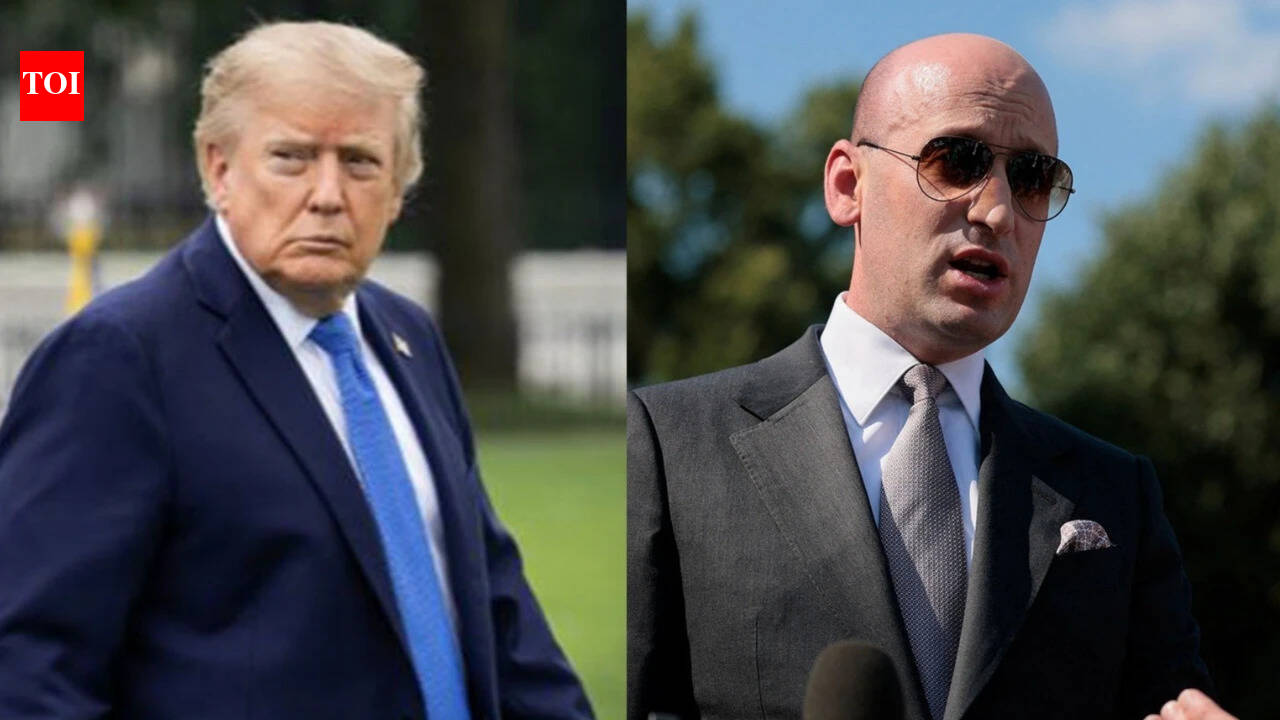
President Donald Trump has appointed Stephen Miller as his new White House chief of staff, replacing Susie Wiles. This leadership shift follows significant Republican losses in the 2026 midterm elections, signaling a strategic pivot as Trump prepares for his final two years in office against a Democratic-controlled Congress.
A Strategic Pivot: Trump Reshapes His Inner Circle
President Donald Trump has announced a significant shake-up in his administration, replacing White House Chief of Staff Susie Wiles with long-time advisor Stephen Miller. The transition, slated to take effect on Monday, follows a tumultuous week for the Republican Party, which saw a series of major defeats in the 2026 midterm elections, resulting in the loss of control over both chambers of Congress. Trump characterized the decision as a necessary move to initiate a "change" in direction as he enters the final two years of his term.
The Rise of Stephen Miller
Stephen Miller, currently serving as the deputy chief of staff for policy, is widely regarded as one of Trump’s most loyal and longest-serving allies. Having joined the 2016 campaign as a speechwriter, Miller gained prominence as the primary architect behind the administration's hard-line immigration policies. His elevation to the chief of staff role suggests that Trump intends to double down on his core ideological pillars rather than seeking a more conciliatory approach with the newly empowered Democratic legislative majority.
Navigating the Democratic Wave
The shift in leadership comes at a precarious time for the executive branch. With Democrats securing control of Congress, the next two years are expected to be defined by intense institutional friction. As experts like Reddy have noted, the Democratic majority will wield significant power through oversight and funding mechanisms. By holding hearings and setting restrictive conditions in agency budgets—particularly for departments like the DHS and USCIS—Democrats are poised to aggressively scrutinize the administration's activities.
The Limits of Executive Power
While the administration remains "weakened" by the midterm results, the separation of powers ensures that Trump retains critical tools, most notably the veto. While Congress can request information and exert pressure on appointments, they lack the unilateral authority to cancel existing executive orders or regulations. This creates a legislative stalemate where the focus will likely shift toward investigative efforts and high-stakes political theater, with both parties testing the limits of their respective constitutional mandates.
Future Implications and Political Strategy
The transition for Susie Wiles, who will move to the "Trump Political Operation," indicates that the former president is compartmentalizing his administration and his future political machinery. Trump praised Wiles for her "outstanding job," ensuring that his political organization remains staffed by trusted loyalists even as the White House undergoes a personnel overhaul. As the administration prepares for what Trump calls the "great American comeback," the appointment of Miller serves as a clear signal that the White House is bracing for a period of ideological combat rather than administrative transition.
Conclusion
The replacement of Wiles with Miller is more than a mere personnel change; it is a declaration of intent. As Trump faces a divided government and the challenges of a hostile Congress, the move underscores a strategic decision to empower a trusted ideologue to navigate the legislative challenges ahead. The coming two years will likely be among the most explosive in recent history, as the administration attempts to execute its agenda under the shadow of intense congressional oversight.
Multiple Citing Sources