Rahul Gandhi’s ‘Chhatron ki Goonj’ strikes a chord, why Gen Z gives Congress a reality check
Source Entity
Neerja Chowdhury
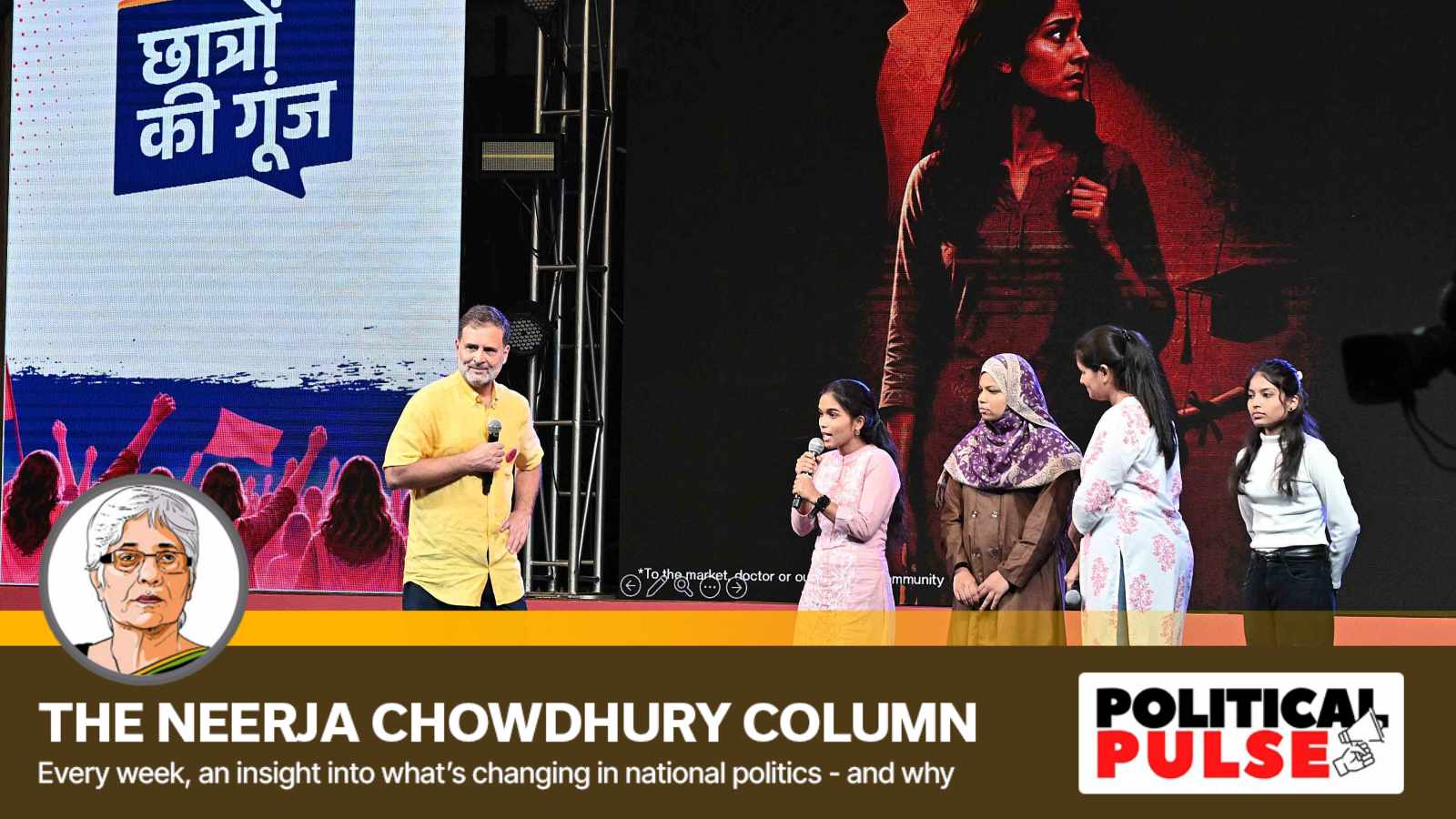
Rahul Gandhi's 'Chattron ki Goonj' campaign is actively engaging Gen Z voters across India by positioning student questioning as a core democratic value. The initiative marks a strategic shift in the Congress party's approach to connecting with youth sentiment amidst broader political protests.
The Resurgence of Student-Centric Political Discourse
Rahul Gandhi’s recent 'Chattron ki Goonj' event in Indore signifies a deliberate and strategic effort by the Leader of the Opposition (LoP) to re-engage with India's youth demographic. By walking the stage and framing the act of questioning as the fundamental duty of a student, Gandhi is attempting to tap into the disillusionment felt by Gen Z regarding the current socio-political 'system.' This approach seeks to contrast his platform against a political establishment he characterizes as being controlled by a powerful few.
Strategic Outreach and Geographic Reach
The Indore event represents the fifth installment of this initiative, following similar engagements in Pune, Dehradun, Prayagraj, and Kota. These cities are not incidental; they are major educational hubs, suggesting that the Congress party is intentionally targeting students who are hyper-aware of systemic challenges in employment and education. While political PR agencies often manage the logistics of such events, the sustained nature of this tour suggests a move beyond manufactured optics toward a genuine attempt at policy-driven dialogue.
The Gen Z Reality Check
What makes this campaign notable is the reception among Gen Z, a generation that historically demands authenticity over traditional political rhetoric. The reports indicate that the audience is viewing Rahul Gandhi with 'new eyes,' suggesting a potential shift in his public image. By positioning himself as a listener and a proponent of inquiry, Gandhi is attempting to bridge the gap between traditional political hierarchy and the horizontal, democratic expectations of modern Indian youth.
Contextualizing the Broader Political Climate
This engagement does not exist in a vacuum; it is unfolding against the backdrop of wider youth activism, such as the protests organized by the Cockroach Janata Party (CJP) at Jantar Mantar. These protests serve as a barometer for the current state of youth grievances. Gandhi’s 'Chattron ki Goonj' effectively piggybacks on these grassroots sentiments, transforming localized frustration into a structured, national-level conversation about the future of the nation’s youth.
Challenges and Future Implications
While the engagement is significant, the long-term impact of these events will depend on whether this dialogue translates into concrete policy proposals that address the structural concerns of students. If the Congress party can successfully channel the energy from these events into a coherent vision for educational and economic reform, it may fundamentally alter the political landscape. Conversely, if the initiative remains purely performative, it risks alienation from a generation that is quick to identify and reject superficial political maneuvering.
Conclusion
In summary, the 'Chattron ki Goonj' initiative highlights a critical pivot in Rahul Gandhi’s political strategy. By focusing on the 'student' identity—defined by the courage to question—he is tapping into a powerful demographic shift. Whether this marks a sustained revival of his political influence or a temporary alignment with youth sentiment remains to be seen, but the event underscores the growing importance of student-led discourse in the upcoming political cycle.