Is not singing Vande Mataram punishable offence? Supreme Court to examine
Source Entity
SAURABH THAKUR
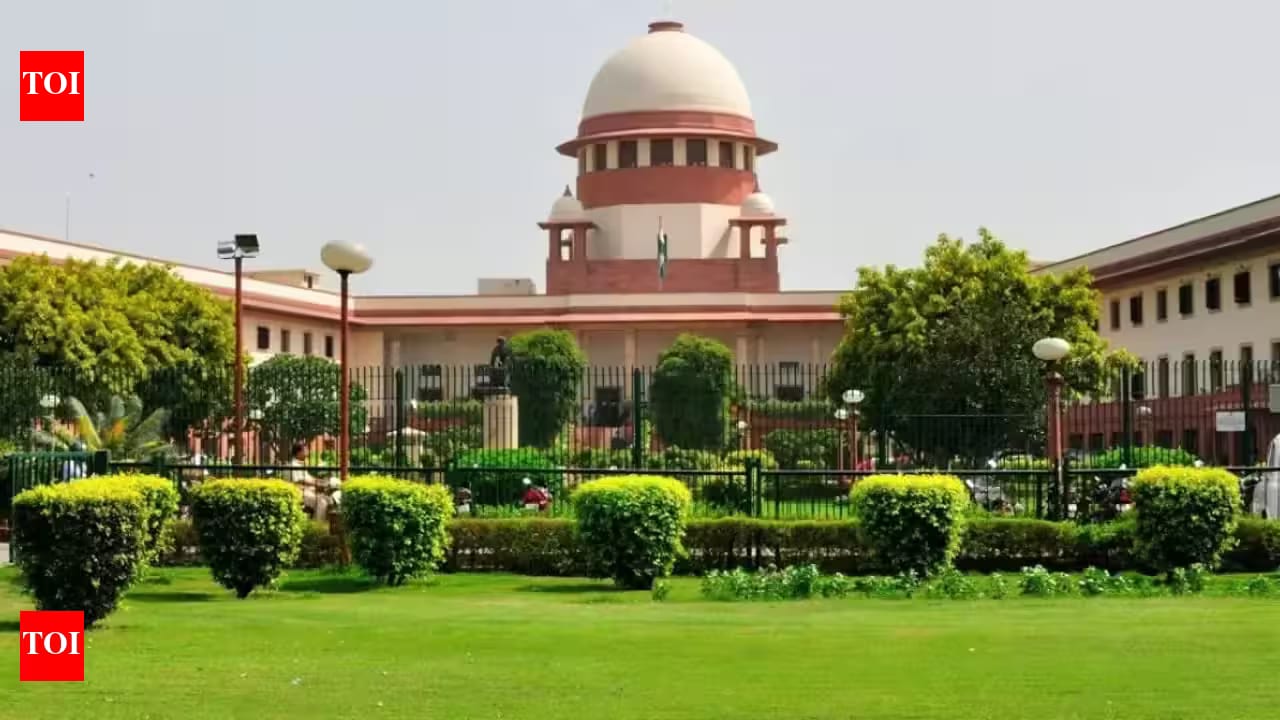
The Supreme Court of India is examining whether refusal to sing the national song 'Vande Mataram' warrants legal punishment. The case, initiated by petitioner TM Krishna, has sparked intense debate over secularism and constitutional rights versus state-mandated expressions of patriotism.
The Legal Challenge to Vande Mataram
The Supreme Court of India has initiated a critical examination into whether the refusal to sing the national song, Vande Mataram, should be categorized as a punishable offense. This legal challenge, spearheaded by the renowned Carnatic singer T.M. Krishna, seeks to address the constitutionality of guidelines that mandate the recitation of all six stanzas of the song during official functions. The petitioner argues that these mandates infringe upon the fundamental principles of Indian secularism, specifically noting that the final four stanzas contain explicit references to Hindu deities, which may alienate citizens of other faiths.
Constitutional Interpretations and Secularism
The core of the debate rests on the balance between nationalistic expression and individual freedom of conscience. The Supreme Court bench, led by Chief Justice Surya Kant and including Justices Joymalya Bagchi and V. Mohana, has signaled that it will not currently rule on the required stanza length of the song. Instead, the focus has shifted toward the penal implications of non-participation. The court has pointedly referenced established legal precedents which clarify that, under current law, individuals cannot be legally penalized for opting not to sing the National Anthem, thereby setting a significant benchmark for how the judiciary may view the National Song.
The 'Naxalite' Rhetoric and Judicial Conduct
The proceedings took a contentious turn during a heated exchange between Solicitor General Tushar Mehta and the legal counsel for the petitioner. The Solicitor General characterized the challenge to the song as stemming from a "Naxalite mindset." This remark ignited a sharp debate regarding the intersection of political ideology and legal discourse within the highest court. While the Solicitor General later clarified that his comments were directed at an ideology rather than labeling specific individuals, the incident underscores the deeply polarized nature of the discourse surrounding national symbols and cultural identity in India today.
Government Position and Judicial Oversight
Representing the Centre, the government has firmly opposed the petition, maintaining that questioning the sanctity or the mandate of Vande Mataram is inappropriate. The Supreme Court has directed the Centre to file a formal response to the public interest litigation (PIL). By requiring the government to articulate its stance on the record, the Court is ensuring that the debate moves from political rhetoric into the realm of formal constitutional review, where the state must justify the legal necessity of such mandates.
Implications for Future Jurisprudence
This case represents a pivotal moment for Indian constitutional law. As the judiciary weighs the state's power to enforce patriotic displays against the individual's right to dissent, the final verdict will likely set a lasting precedent for the status of national symbols. If the Court determines that non-participation cannot be a criminal offense, it will reinforce the protection of individual conscience against state-imposed homogeneity. Conversely, the outcome will define the boundaries of secularism in the public sphere, determining how much religious-adjacent content can be embedded within state-mandated nationalistic rituals.
Conclusion
As the Supreme Court continues to deliberate, the nation watches to see how the judiciary will reconcile the historical significance of Vande Mataram with the modern realities of a diverse, secular democracy. The final resolution of this petition will not only impact the conduct of official functions but will also serve as a definitive statement on the limits of state authority regarding expressions of national identity.