Mayawati wanted to carve out four states from UP. Why is the idea back?
Source Entity
Maulshree Seth
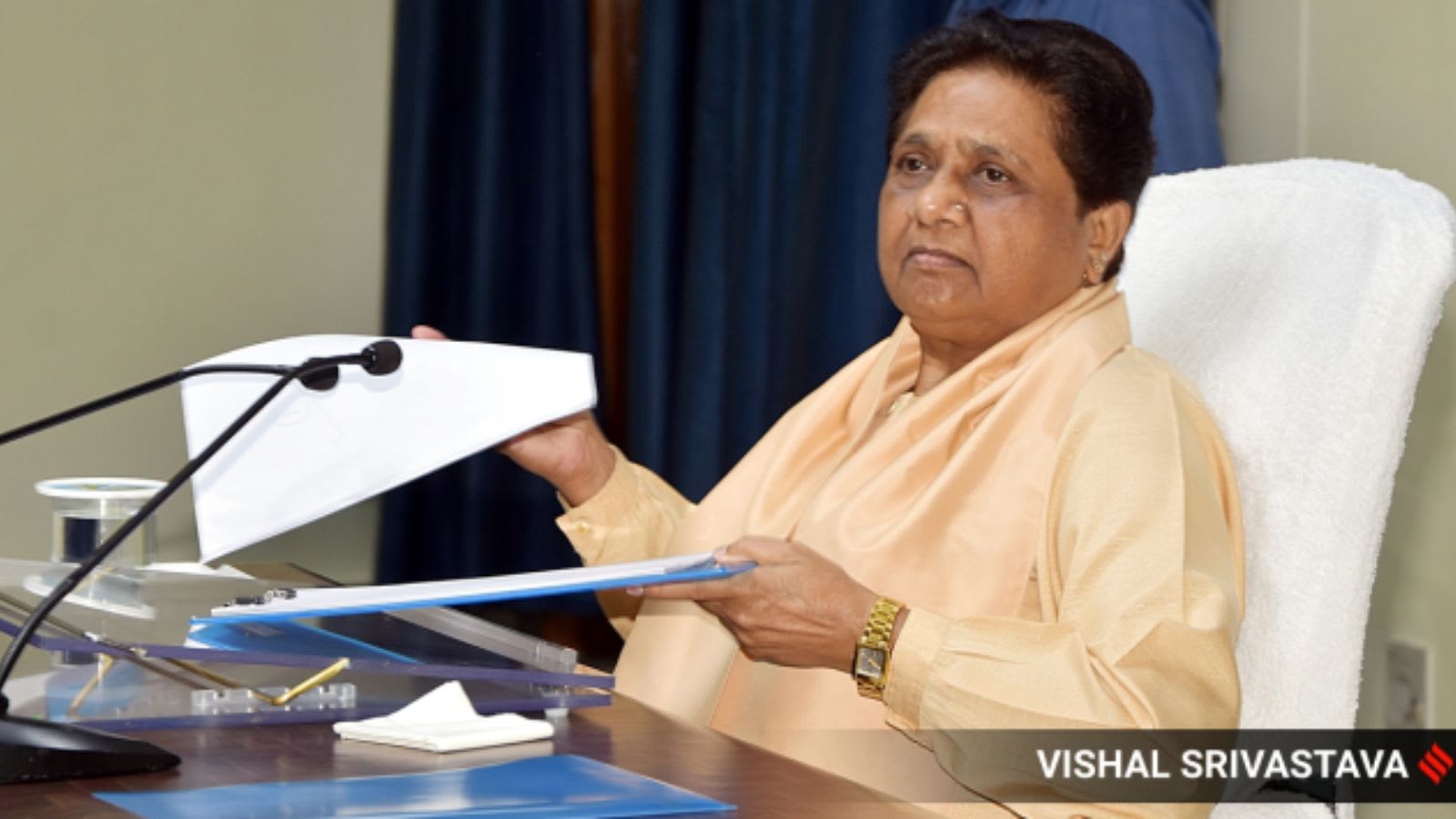
SBSP chief Om Prakash Rajbhar has sparked a debate by claiming Uttar Pradesh will be divided into four states following a caste census. The opposition has criticized the NDA for alleged double-speak, while the BJP seeks to distance itself from the controversial proposal.
The Reemergence of the Uttar Pradesh Partition Debate
Recent statements made by Om Prakash Rajbhar, the president of the Suheldev Bharatiya Samaj Party (SBSP) and a Cabinet Minister in the Uttar Pradesh government, have reignited one of the most persistent and sensitive political debates in Indian history: the potential reorganization of Uttar Pradesh. By asserting that the state is poised to be divided into four distinct regions—Paschim Pradesh, Awadh, Bundelkhand, and Purvanchal—Rajbhar has thrust the issue of administrative decentralization back into the national spotlight.
The Nexus of Caste Census and Statehood
Central to Rajbhar’s argument is the linkage between the upcoming caste census and the process of state reorganization. He claims that the Prime Minister has suggested that a formal division would only be feasible once the caste census is completed. This framing suggests that the current ruling coalition views the demographic data derived from such a census as a necessary prerequisite for redrawing administrative boundaries, potentially to ensure that newly formed states align with specific socio-political and caste-based aspirations.
Political Implications and Opposition Backlash
The assertion that Purvanchal would specifically see a Chief Minister from the Rajbhar community has added a layer of identity-based political maneuvering to the debate. This has drawn sharp criticism from the Congress party, which has accused the Prime Minister and the NDA of 'double-speak.' The opposition's stance highlights the perceived gap between the BJP’s formal policy and the rhetoric of its regional allies, suggesting that the ruling party is attempting to manage diverse voter bases by allowing coalition partners to float controversial ideas without taking direct institutional responsibility.
Historical Context of UP Reorganization
The idea of dividing Uttar Pradesh is not new; it has been a recurring theme in the state's political history. Notably, former Chief Minister Mayawati had previously pushed for the creation of four separate states, arguing that the sheer size and population of Uttar Pradesh make it administratively ungovernable. The current discourse mirrors these historical demands, focusing on the same four broad geographical and socio-cultural regions that have long been cited as candidates for statehood.
Administrative and Socio-Cultural Challenges
While proponents argue that smaller states lead to better governance and more focused development, the challenge lies in the lack of officially demarcated boundaries. The four regions—Western UP, Central UP, Bundelkhand, and Purvanchal—are broad cultural zones, and turning them into formal states would require complex legislative processes and a consensus that has remained elusive for decades. The current debate underscores the tension between the need for administrative efficiency and the preservation of political stability in India’s most populous state.
Future Trends and Political Strategy
Looking ahead, the discourse surrounding the division of Uttar Pradesh will likely serve as a barometer for the government's future legislative priorities. If the caste census indeed becomes the gateway to state reorganization, we may see a shift in how regional identities are leveraged in national politics. As the BJP continues to downplay these remarks while its allies amplify them, the issue will likely remain a strategic tool to mobilize specific regional blocks, even if a formal division remains a distant and legally complex prospect.
Multiple Citing Sources