SSC Selection Post Phase 13 exam: ‘No data available on candidates affected by centre changes, tech failures’
Source Entity
The Indian Express
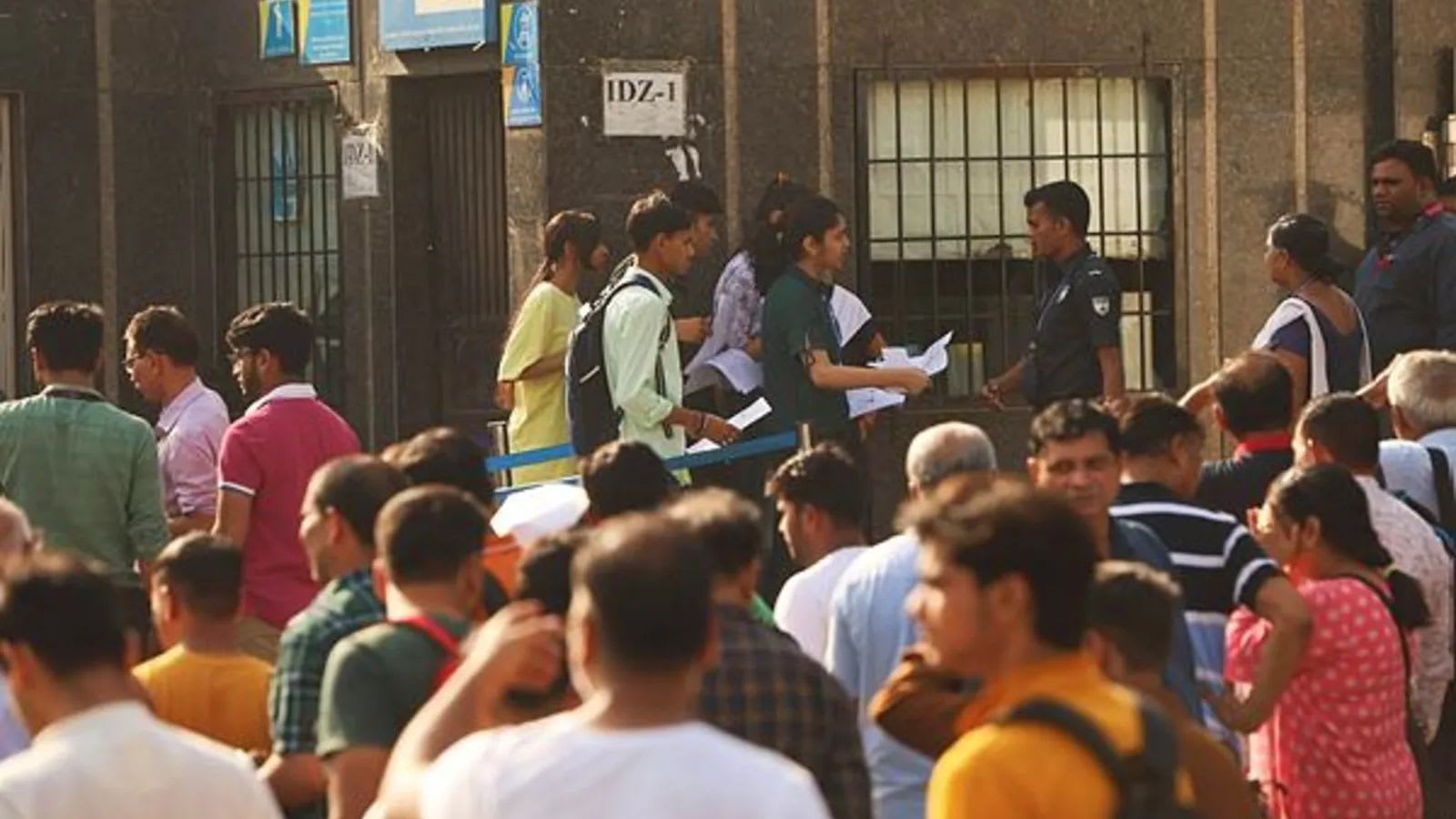
The Staff Selection Commission admitted to lacking data on candidates impacted by technical failures and exam centre changes during the Phase 13 recruitment process. This lack of transparency has sparked widespread protests among aspirants demanding accountability for systemic mismanagement.
The SSC Selection Post Phase 13 Controversy: A Crisis of Accountability
The Staff Selection Commission (SSC) finds itself at a critical juncture following the administration of the Selection Post Phase 13 exam. Recent disclosures revealed that the commission lacks concrete, centralized data regarding the specific number of candidates impacted by sudden examination centre reassignments, exam cancellations, and pervasive technical failures. This admission, delivered in response to a query from the Central Information Commission (CIC), highlights a significant breakdown in the administrative transparency expected of a body responsible for the recruitment of thousands of government personnel.
The Scale of Disruption and Administrative Oversight
While the SSC confirmed that re-examinations were necessitated for 76,153 candidates due to these unforeseen disruptions, the absence of granular data regarding the specific nature of these failures—and the individuals affected—raises serious questions about internal oversight. The logistical burden placed on students, many of whom reported being assigned examination centres hundreds of kilometres from their homes, has exacerbated the frustration. For candidates already operating under significant financial and emotional strain, such arbitrary centre allocations represent a major barrier to fair access to employment opportunities.
The Catalyst for Public Unrest
These systemic irregularities have not gone unchallenged. The perceived mismanagement of the Phase 13 process served as a tipping point, leading to organized protests at Jantar Mantar in New Delhi. Aspirants and educators joined forces to articulate a clear demand: systemic reform and greater accountability. The protest is not merely a reaction to the technical glitches of this specific exam, but a culmination of long-standing grievances regarding the efficiency and reliability of the SSC’s digital infrastructure and communication protocols.
Broader Implications for Recruitment Integrity
In the context of national competitive examinations, the integrity of the process is paramount. When a government body tasked with merit-based recruitment fails to track its own failures effectively, it erodes public trust in the entire system. The reliance on digital platforms for large-scale testing mandates a high degree of technical resilience. When that resilience fails—as it clearly did in this instance—the inability to provide a transparent account of the damage suggests a lack of preparedness for managing large-scale, high-stakes digital testing environments.
Future Trends and the Need for Reform
Looking forward, the SSC faces mounting pressure to modernize its grievance redressal mechanisms and data tracking capabilities. Future recruitment cycles will likely require more rigorous stress testing of technical systems and a more empathetic approach to logistical centre planning. If the commission fails to implement these reforms, it risks perpetuating a cycle of protests and administrative instability that threatens the professional future of millions of aspiring civil servants. The path forward must prioritize transparency, as the current lack of data is not just an administrative deficiency, but a barrier to justice for the thousands of candidates affected by the Phase 13 process.