After Kharge’s rally, 'shuddikaran' performed? Rahul Gandhi challenges PM Modi directly
Source Entity
Latest News: Todays Latest News Headlines from India & World | Hindustan Times | Hindustan Times
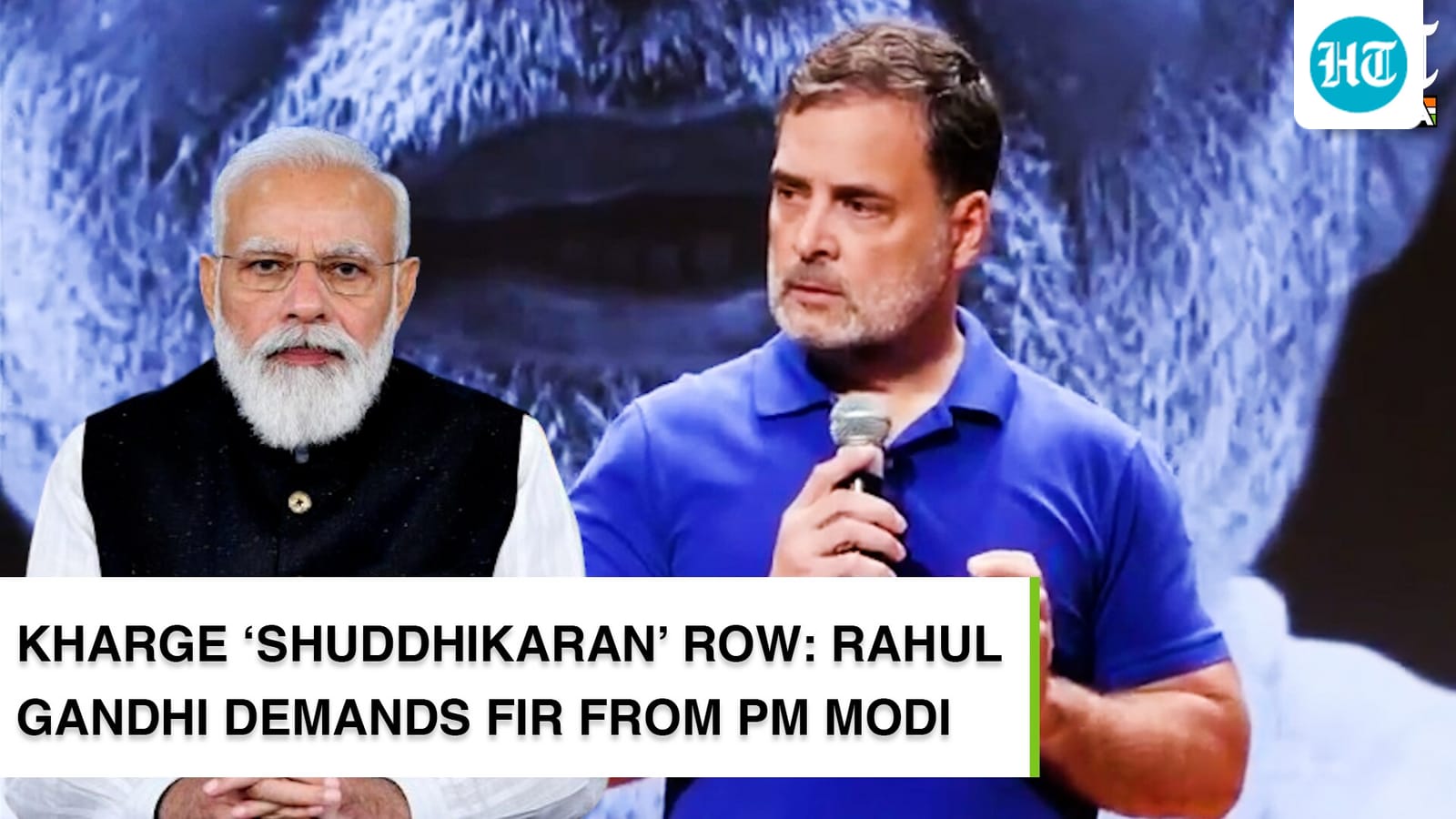
Rahul Gandhi has demanded an FIR under the SC/ST Act following a 'purification' ritual performed by the Shri Ram Sena at a venue where Congress President Mallikarjun Kharge held a rally. Gandhi characterized the act as a form of untouchability and an ideological affront to the Indian Constitution.
The Haldwani Purification Row: A Clash of Ideologies
The political landscape in India has been sharply polarized following a controversial incident in Haldwani, Uttarakhand, where members of the Shri Ram Sena performed a ‘shuddhikaran’ (purification) havan at the Ramlila Maidan. This ritual took place two days after Congress President Mallikarjun Kharge, a prominent Dalit leader, addressed a ‘Vijay Shankhnaad’ rally at the same location. The timing and nature of the ritual have triggered a massive political firestorm, with Congress leader Rahul Gandhi leading the charge in condemning the act as a direct affront to the dignity of the Dalit community.
Legal Implications and the SC/ST Act
Rahul Gandhi, serving as the Leader of Opposition in the Lok Sabha, has formally demanded the registration of an FIR under the Scheduled Castes and Scheduled Tribes (Prevention of Atrocities) Act. The argument presented by the Congress leadership is that the act of ‘purifying’ a public space after the presence of a Dalit leader constitutes a form of untouchability, which is explicitly criminalized under the Constitution of India. By labeling the venue ‘polluted,’ the perpetrators have effectively invoked historical tropes of caste-based exclusion that the SC/ST Act was specifically designed to dismantle.
The Ideological Divide
Rahul Gandhi has contextualized this incident not as an isolated event, but as a manifestation of a broader ideological struggle between two opposing visions for India. He contends that the incident highlights the divergent paths of the Indian Constitution versus the perceived mindset of the BJP-RSS. For Gandhi, the ‘purification’ ritual is a symbolic representation of a systemic issue where Dalit individuals continue to face discrimination, ranging from social exclusion in public spaces to the marginalization of Dalit children in educational settings.
Political Backlash and Defense
The situation has been further complicated by statements from regional leadership. Rahul Gandhi pointedly highlighted comments from Uttarakhand BJP president Mahendra Bhatt, who defended the ritual by claiming the ground had been ‘polluted’ by the slogans raised during the Congress rally. This defense has been seized upon by the opposition as evidence of a tacit endorsement of caste-based prejudice by the ruling party, fueling calls for Prime Minister Narendra Modi to intervene and ensure legal accountability.
Broader Social Context
This incident serves as a flashpoint for long-standing tensions regarding caste hierarchy and social equality in modern India. The controversy forces a national conversation on whether public spaces can remain truly inclusive if political or religious groups feel empowered to perform exclusionary rituals based on the identity of a speaker. As the nation grapples with these questions, the demand for legal consequences under the SC/ST Act represents a significant test for the enforcement of constitutional protections against caste-based discrimination.
Conclusion
The Haldwani ‘purification’ row underscores the fragile state of social cohesion when political discourse intersects with traditional caste sensitivities. By elevating this issue to the national stage, Rahul Gandhi is positioning the Congress party as the primary defender of the Constitution against what he describes as regressive practices. The outcome of the demand for an FIR will likely set a legal and political precedent for how such acts of social exclusion are handled in the future, marking a critical moment in the ongoing debate over equality and justice in India.
Multiple Citing Sources
Verification Required?