SIR Stay, Action Against Officials: Rahul Gandhi's 10 Requests To Top Court
Source Entity
NDTV News Search Records Found 1000
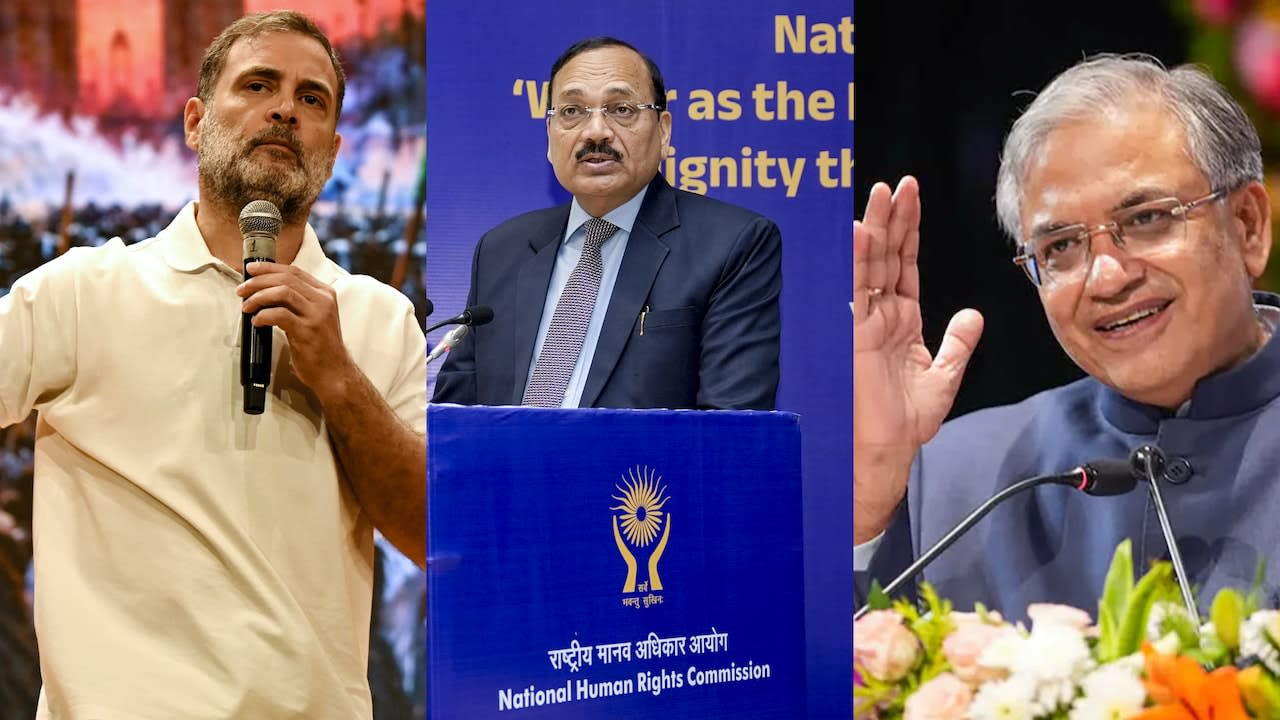
Leader of Opposition Rahul Gandhi and the INDIA bloc have petitioned the Supreme Court to investigate alleged voter deletion discrepancies during the Special Intensive Revision (SIR). The petition demands an independent probe and access to official ECI records regarding the decision-making process.
Legal Challenge to Electoral Integrity
In a significant escalation of political tension, Leader of the Opposition Rahul Gandhi, alongside ten leaders of the INDIA bloc, has filed a formal petition in the Supreme Court of India. This legal challenge targets the Election Commission of India (ECI) regarding the Special Intensive Revision (SIR) process, specifically focusing on widespread allegations of voter deletions that the opposition claims have compromised the integrity of electoral rolls.
The Scope of the Petition
The petition explicitly names the Chief Election Commissioner (CEC) Gyanesh Kumar, along with Election Commissioners Sukhbir Singh Sandhu and Vivek Joshi, as respondents. By involving the highest echelons of the ECI, the opposition is signaling a loss of confidence in the current administrative processes governing voter registration. The coalition, which includes high-profile figures such as Mallikarjun Kharge, Akhilesh Yadav, and Tejaswi Prasad Yadav, is demanding that the Supreme Court summon all official records and internal notings related to the SIR process to ensure transparency.
Demanding Independent Oversight
Central to the petition is the request for the formation of an independent committee to conduct a thorough inquiry into the decision-making mechanisms within the ECI. The petitioners argue that the current online mechanisms, particularly those facilitated by the ECINet portal, have been insufficient or potentially manipulated, leading to the systemic removal of legitimate voters. This call for an independent probe represents an attempt to shift the oversight of electoral roll management from the ECI’s internal purview to a judicial or third-party-led review.
Historical Context and Institutional Trust
The move to approach the Supreme Court highlights the ongoing debate regarding the autonomy and functioning of India’s constitutional bodies. Throughout history, the ECI has been viewed as the arbiter of democratic fairness; however, this petition reflects a growing trend where political actors are increasingly turning to the judiciary to mediate disputes over the technical processes of democracy. The reliance on the Supreme Court to intervene in administrative procedures like the SIR underscores the high stakes involved in voter registry maintenance.
Technical and Procedural Implications
Beyond the political rhetoric, the petition raises critical questions about the digitization of the electoral process. By targeting the ECINet portal and the technical services used for voter registration, the opposition is bringing the ECI's digital infrastructure into the spotlight. If the Supreme Court agrees to review the official notings and internal decision-making processes, it could set a major precedent for how the ECI handles data-driven electoral revisions in the future.
Future Trends in Election Oversight
As the case proceeds, the Supreme Court's response will likely serve as a litmus test for the balance of power between the ECI and the judiciary. If the court mandates an independent investigation, it could lead to a complete overhaul of how Special Intensive Revisions are conducted, potentially introducing more rigorous auditing requirements. Conversely, a dismissal could reinforce the ECI's autonomy but might further polarize the political landscape regarding future electoral outcomes.
Multiple Citing Sources
Verification Required?