'PM Modi, Shah, Doval can't silence India': Rahul makes call for Supreme Court march
Source Entity
VIVEK DUBEY
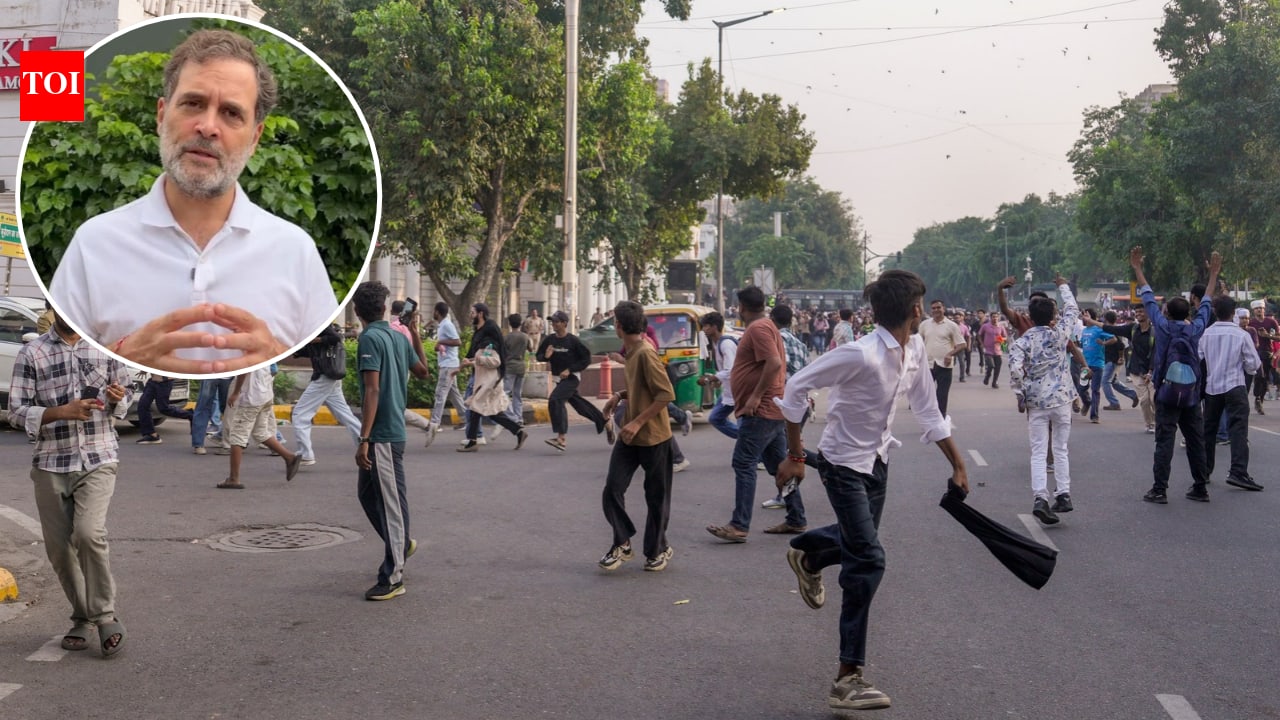
Rahul Gandhi has called for a march to the Supreme Court, accusing the Indian government of attempting to suppress peaceful protesters. He specifically targeted PM Modi, Amit Shah, and Ajit Doval in his critique of the current administration's handling of dissent.
The Call for Judicial Intervention
Congress leader Rahul Gandhi has issued a significant political challenge to the central government by calling for a march to the Supreme Court. This move represents a strategic escalation in his criticism of the current administration, specifically targeting Prime Minister Narendra Modi, Home Minister Amit Shah, and National Security Advisor Ajit Doval. By framing the government’s actions as an attempt to silence the voices of citizens, Gandhi is positioning himself as a primary defender of democratic dissent in the country.
The Dynamics of Dissent and Suppression
At the heart of this controversy is the assertion that protesters have been conducting themselves in a peaceful manner. Gandhi’s rhetoric focuses on the tension between the state's authority to maintain order and the constitutional right of citizens to assemble and express grievances. By accusing the authorities of attempting to suppress these voices, Gandhi is highlighting a growing friction between the executive branch and segments of the populace who feel their concerns are being systematically sidelined or silenced by the state machinery.
Targeting the Executive Leadership
By naming Prime Minister Modi, Home Minister Amit Shah, and NSA Ajit Doval, Gandhi is directing his critique at the core pillars of India’s internal security and governance apparatus. This is a deliberate effort to characterize the current administration's policy approach as centralized and intolerant of opposition. It suggests that the current political discourse in India has moved beyond mere policy disagreement into a fundamental debate regarding the preservation of democratic space and the role of the judiciary as the final arbiter of constitutional rights.
The Role of the Supreme Court
Invoking the Supreme Court in this context serves as a symbolic and legal maneuver. In the Indian political tradition, when avenues of dialogue with the executive branch are perceived to be closed, the judiciary is often viewed as the ultimate protector of civil liberties. By calling for a march to the Supreme Court, Gandhi is seeking to mobilize public opinion and force the judiciary to take cognizance of the alleged suppression of peaceful protests, thereby elevating a street-level issue to a constitutional concern.
Implications for Future Political Trends
This event signals a deepening polarization in Indian politics, where the streets and the courts are becoming the primary theaters for political contestation. If this trend continues, we can expect to see more frequent efforts by opposition leaders to leverage judicial intervention to check executive power. The outcome of such marches and the judiciary's response will likely define the parameters of protest and the government's tolerance for dissent in the coming months, setting a precedent for how civil society engagement is managed under the current political climate.