Delhi protests: Saffron-clad groups threaten demonstrators for second day
Source Entity
VIVEK DUBEY
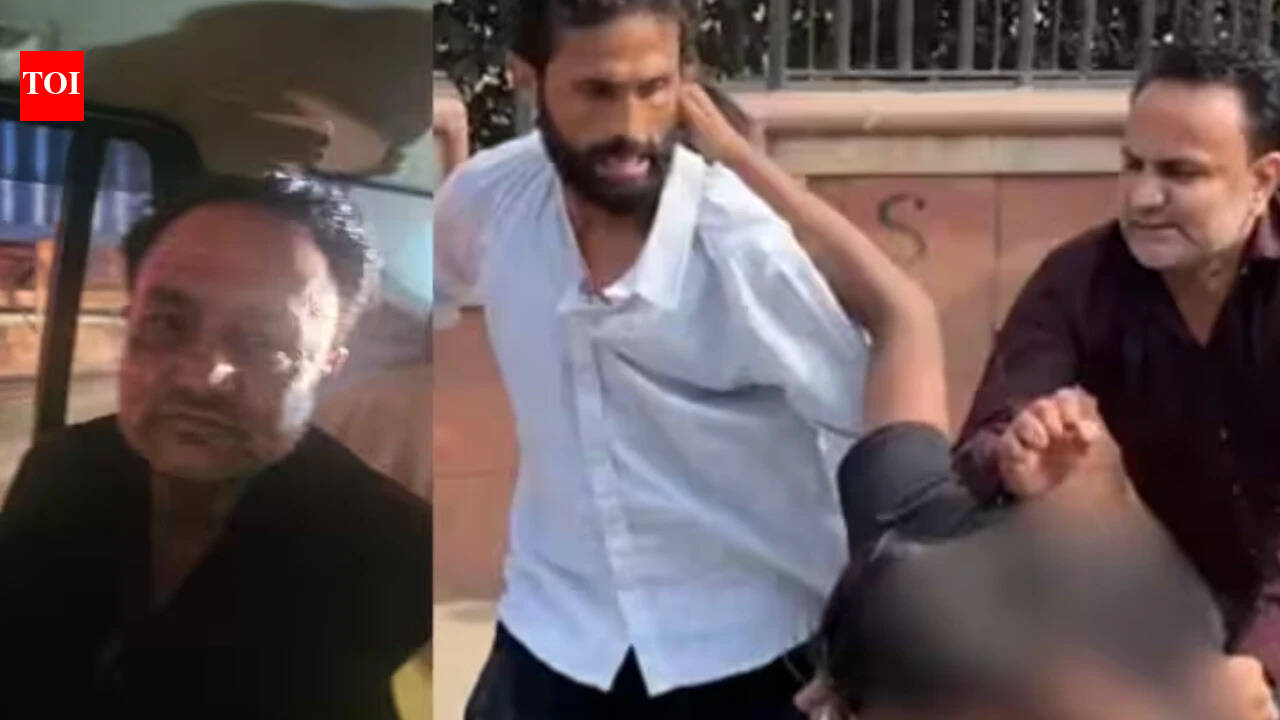
Gautam Budh Nagar and Delhi police have implemented strict security measures, including Section 163 and the detention of individuals with criminal records, to preempt unrest. These actions follow the denial of permission for a Cockroach Janta Party protest at Jantar Mantar.
Heightened Security Measures in the National Capital Region
In anticipation of the planned protest by the Cockroach Janta Party (CJP) at Jantar Mantar, authorities in both Delhi and Gautam Budh Nagar have implemented stringent security protocols. The Delhi Police have mobilized a force of approximately 35,000 personnel to manage the city's security, focusing on preventing potential disruptions during the demonstration against the Election Commission. This massive deployment underscores the administration's commitment to maintaining law and order amidst growing political volatility.
Strategic Restrictions and Legal Framework
The Gautam Budh Nagar police commissionerate has invoked Section 163 of the Bharatiya Nagarik Suraksha Sanhita (BNSS), 2023, to enforce 18 specific restrictions effective until October 20. These measures include a ban on unauthorized gatherings of five or more people in public spaces and the prohibition of storing materials such as bricks or flammable substances that could facilitate violence. By preemptively restricting public assemblies, law enforcement aims to mitigate the influence of anti-social elements who might exploit the political climate to incite civil unrest.
Preemptive Police Action and Detentions
As part of a comprehensive security strategy, the Delhi Police conducted overnight operations across 15 districts, resulting in the detention of at least 100 individuals with existing criminal records. Intelligence sources suggest that these individuals were suspected of intending to participate in the CJP-led protest. This proactive approach serves as a deterrent, signaling that authorities are closely monitoring potential threats to public safety and are prepared to neutralize instability before it manifests at the protest site.
The Impact of Denied Permissions
The tension escalated following the Delhi Police's decision to deny permission for the Jantar Mantar demonstration. Joint Commissioner of Police (New Delhi) Nupur Prasad confirmed that the refusal was based on the organizers' failure to comply with conditions established during previous demonstrations, coupled with a last-minute request for authorization. This procedural deadlock has led to significant disruptions, including planned road blockades, restricted movement across the city, and potential interruptions to Metro services and market operations.
Broader Implications and Future Trends
The ongoing row involving the Election Commission and the subsequent security response highlights the delicate balance between the right to protest and the necessity of public order. As the administration continues to prioritize the prevention of violence, the use of large-scale security deployments and preemptive detentions may become a standard response to high-stakes political demonstrations. Moving forward, the effectiveness of these measures will likely serve as a blueprint for how authorities manage future instances of civil dissent in an increasingly polarized political environment.
Multiple Citing Sources