Railway staff, retirees, other pass holders eligible for class upgrade on premium trains by paying fare difference
Source Entity
Latest News: Todays Latest News Headlines from India & World | Hindustan Times
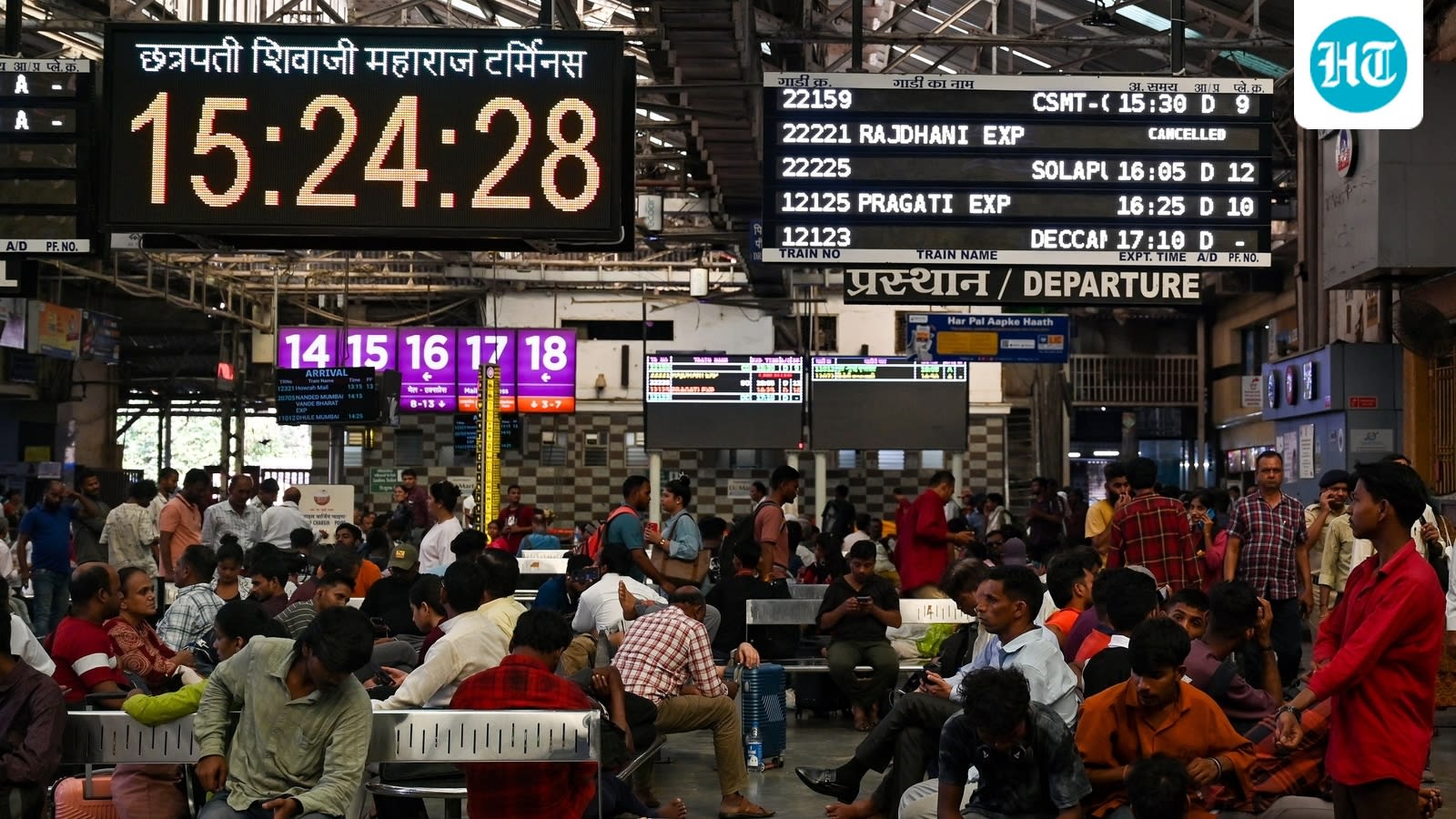
The Railway Board has officially clarified that holders of Privilege, Post-Retirement, and Widow passes can now upgrade to higher classes on premium trains. This policy change resolves long-standing ambiguities in the 1986 Railway Servants (Pass) Rules regarding fare differences.
Enhancing Rail Travel Accessibility for Employees and Retirees
The Indian Railway Board has introduced a significant policy clarification aimed at improving the travel experience for railway personnel and their families. By permitting holders of Privilege Passes (PP), Post-Retirement Complimentary Passes (PRCP), and Widow Passes (WP) to upgrade their travel class on premium services like Rajdhani, Duronto, and Shatabdi Express, the administration is effectively modernizing its internal travel benefits. This adjustment allows pass holders to access higher-tier accommodations by simply paying the applicable fare difference, removing previous administrative barriers.
Resolving Historical Ambiguity
For years, the Railway Servants (Pass) Rules, 1986, served as the primary framework governing employee travel benefits. However, the specific provisions regarding class upgrades on premium trains had become a point of contention and confusion. The lack of explicit guidance led to inconsistent implementation across various railway zones. By formally addressing this ambiguity, the Railway Board has provided much-needed clarity, ensuring that the rules are applied uniformly and fairly across the national network.
Implications for Premium Train Travel
Premium trains like the Rajdhani, Duronto, and Shatabdi are the flagships of the Indian railway system, offering faster transit and superior amenities compared to standard mail and express trains. The ability for pass holders to bridge the gap between their entitled class and these premium tiers reflects an acknowledgment of the evolving needs of railway staff and retirees. It ensures that those who have dedicated their careers to the service of the nation can utilize modern, high-speed infrastructure with greater flexibility.
Balancing Welfare and Revenue
This policy shift highlights the delicate balance the Railway Board maintains between staff welfare and operational revenue. By mandating the payment of the fare difference, the board ensures that the upgrade process remains revenue-neutral, preventing potential losses to the national carrier while simultaneously enhancing the value proposition of the pass system. This pragmatic approach suggests a future trend where internal policies are increasingly digitized and streamlined to match the efficiency of commercial ticketing systems.
Future Trends in Railway Policy
Looking ahead, this development suggests a broader trend of administrative simplification within the Indian Railways. As the network continues to modernize its infrastructure—transitioning toward faster rolling stock and improved passenger facilities—it is likely that internal personnel policies will continue to be updated to reflect contemporary service standards. By clarifying the 1986 rules, the Board has set a precedent for addressing legacy issues through proactive, rather than reactive, policy updates.
Conclusion
The decision by the Railway Board is a positive step toward administrative transparency and employee satisfaction. By resolving the ambiguities surrounding the 1986 Pass Rules, the Railways have not only empowered their staff and retirees but have also reinforced the integrity of their internal travel systems. This policy change serves as a clear indication that the Indian Railways is committed to aligning its historical regulations with the current realities of modern, high-speed rail travel.
Verification Required?