Rain returns to Delhi after prolonged dry spell; IMD issues yellow alert for two days
Source Entity
Latest News: Today's Latest News Headlines from India & World | Hindustan Times | Hindustan Times
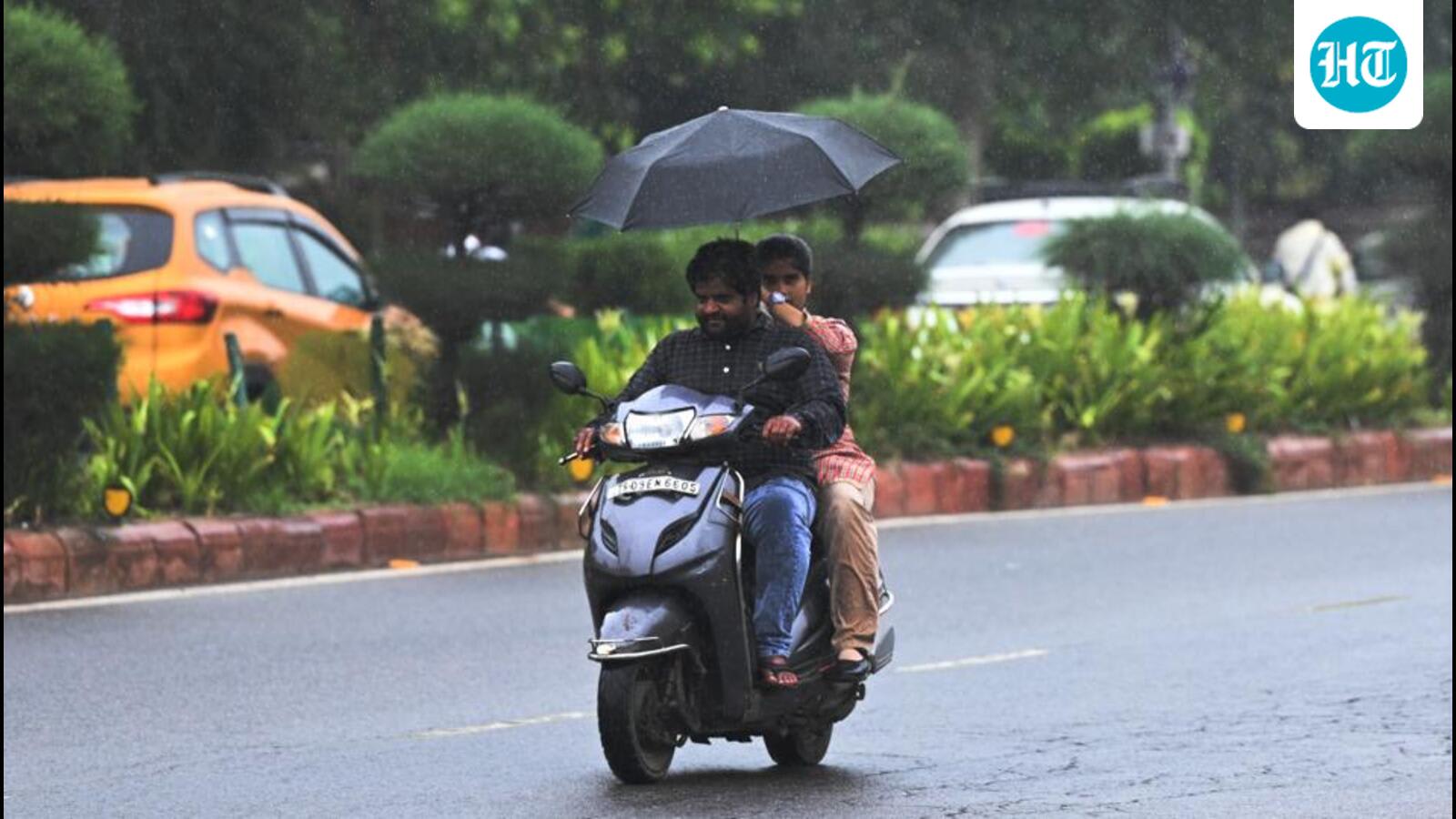
Delhi has experienced a significant return of rainfall following an extended dry spell. The India Meteorological Department (IMD) has issued a yellow alert for the capital for the next two days.
Delhi Sees Respite as Rainfall Returns
After a prolonged period of dry weather that had gripped the national capital, Delhi has finally received a much-needed spell of rain. This shift in weather patterns provides a significant relief to residents who had been contending with rising temperatures and the absence of precipitation. The India Meteorological Department (IMD) has responded to the changing conditions by issuing a yellow alert for the region, which is expected to remain in effect for the next two days.
Localized Precipitation Patterns
The rainfall, while widespread enough to prompt weather warnings, showed variations in intensity across the city. According to data recorded in the 24-hour period ending at 8:30 am on Tuesday, Naraina emerged as the wettest location, documenting 22mm of rainfall. Close behind was Pusa, which recorded 20mm. These localized figures highlight the uneven distribution of monsoon-related showers that often characterize Delhi's weather during this season.
Understanding the Yellow Alert
The issuance of a yellow alert by the IMD serves as a crucial warning for citizens to remain updated and cautious. Such alerts are typically issued to signify 'be aware' or 'be updated' status, suggesting that while the current weather might not immediately pose a severe threat, the potential for heavy rain or localized waterlogging exists. This proactive communication is vital for urban planning and public safety, especially in a city as densely populated as Delhi.
Broader Environmental Implications
The return of rain is a pivotal development for the city's microclimate. Extended dry spells in Delhi are often associated with increased dust levels and poor air quality. The current rainfall is expected to help settle particulate matter, potentially leading to a temporary improvement in the Air Quality Index (AQI). Furthermore, it provides essential moisture to the city's green belts and helps recharge the local groundwater table, which remains a critical concern for the region's long-term sustainability.
Future Trends and Outlook
Looking ahead, the city must balance the benefits of this rain with the infrastructure challenges it brings. Increased precipitation often tests the city's drainage systems, leading to traffic congestion and potential waterlogging in low-lying areas. As climate patterns become increasingly erratic, meteorological agencies and municipal bodies are likely to emphasize the need for more robust urban drainage and weather preparedness to mitigate the impact of such sudden, intense weather events on daily life and productivity.
Verification Required?