Rajasthan school teacher 'strip-searches' students over missing Rs 500, suspended
Source Entity
SUPARNA ROY
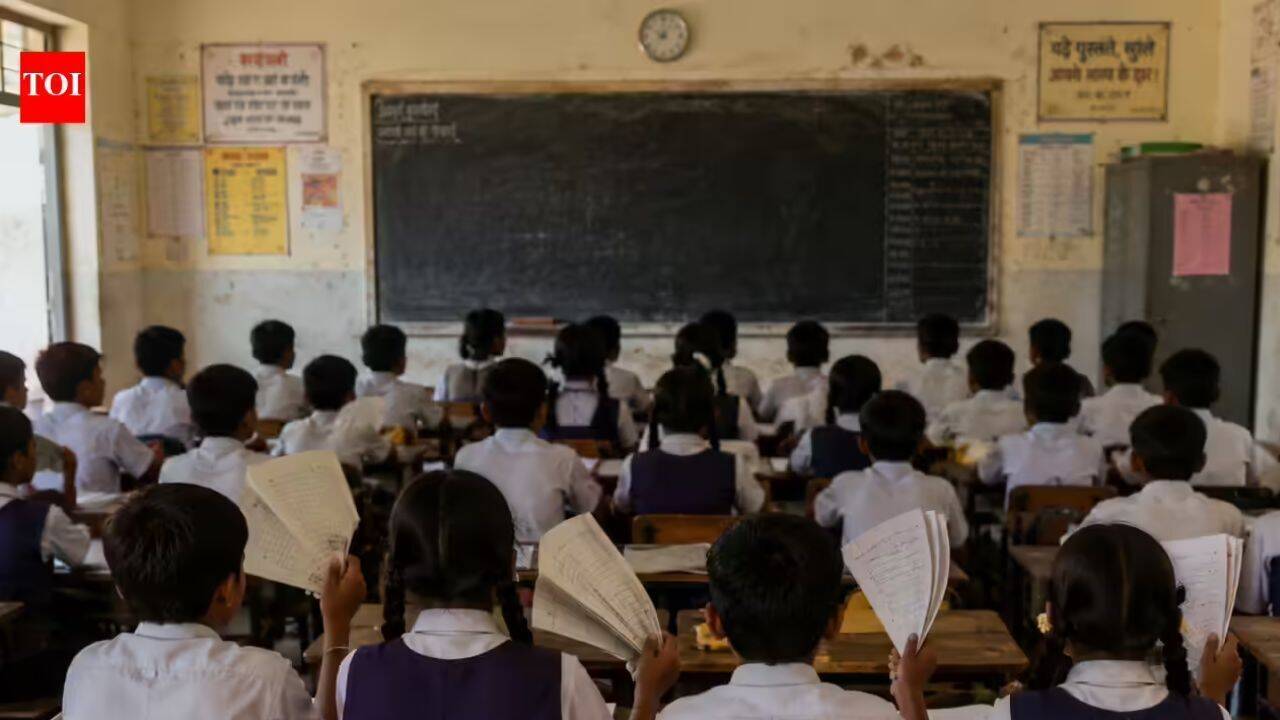
A school teacher in Rajasthan was suspended following false allegations that she strip-searched students over a missing ₹500 note, despite an official investigation clearing her of the charges.
Administrative Overreaction: The Case of the Rajasthan Teacher
In a troubling instance of administrative decision-making over factual evidence, a school teacher in Rajasthan has been suspended following a series of unfounded allegations. The controversy began when a sum of ₹500 went missing from a classroom, prompting a search for the missing currency. This event quickly escalated when local villagers alleged that the teacher had resorted to the extreme and illegal measure of strip-searching students to recover the funds. The gravity of such an accusation—involving the violation of child rights and dignity—immediately drew intense scrutiny and public outrage.
The Investigation and Factual Findings
Following the outcry, a formal investigation was launched by education department officials to ascertain the truth of the matter. The probe’s findings were starkly different from the villagers' claims. According to the investigative reports, no strip-searches were conducted by the teacher. Instead, it was discovered that only student bags had been checked, and notably, this process was carried out by other students rather than the teacher herself. The evidence explicitly cleared the educator of the heinous claims leveled against her, proving that the narrative of physical violation was entirely fabricated.
Image Management vs. Due Process
Despite the investigation exonerating the teacher, the education department proceeded with her suspension. The rationale provided for this action was not based on guilt or a breach of professional conduct, but rather on the need to "protect the image" of the department. This decision highlights a critical failure in administrative due process, where the fear of public perception and the desire to quell local unrest outweighed the commitment to justice for the employee. By suspending an innocent staff member to appease a vocal group of villagers, the department has effectively prioritized optics over ethics.
Broader Implications for the Education Sector
This incident reflects a wider, systemic vulnerability within the Indian public education system, where teachers often find themselves at the mercy of community pressures and rapid-fire allegations. When administrative bodies succumb to "mob justice" or public hysteria without adhering to the results of their own investigations, it creates a precarious working environment. Such precedents may discourage teachers from maintaining discipline or managing classrooms effectively for fear that any incident could be twisted into a scandalous allegation that the state will not defend.
Legal and Social Consequences
Looking forward, this case may set a problematic precedent for employment law within the state's education sector. The teacher now faces the professional stigma of suspension despite her innocence, which could lead to legal challenges regarding wrongful suspension and defamation. Furthermore, it sends a message to the community that false accusations can yield immediate administrative results, potentially encouraging similar baseless claims in the future.
Conclusion
Ultimately, the suspension of the Rajasthan teacher serves as a cautionary tale regarding the intersection of public perception and administrative governance. While protecting the image of an institution is a valid concern, doing so at the expense of a proven innocent individual undermines the very integrity the department seeks to preserve. The resolution of this case will likely depend on whether the teacher can successfully challenge the suspension through legal or departmental appeals to restore her professional reputation.