Who is Rajiv Rangila? Mastermind of Rs 700-cr Delhi medical supplies fraud arrested
Source Entity
Alok Singh
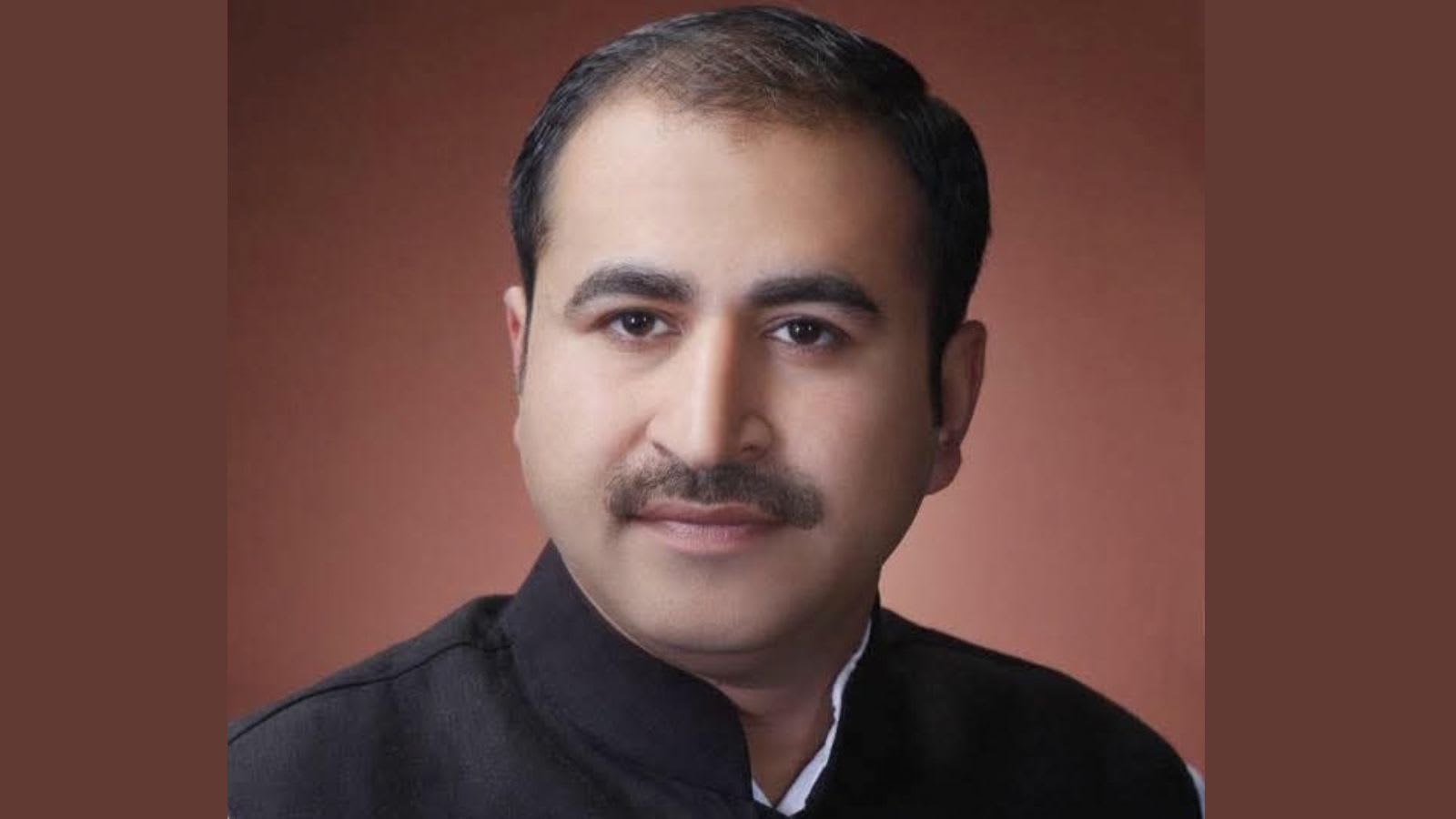
Rajiv Rangila, a key accused in a Rs 700-crore medical procurement fraud in Delhi, has been arrested by the Anti-Corruption Branch after surrendering. The arrest follows his period as an absconder and the filing of a chargesheet involving former DGHS officials.
The Arrest of Rajiv Rangila: Unraveling a Major Medical Procurement Fraud
A Significant Breakthrough in Delhi’s Healthcare Corruption Case
The arrest of 50-year-old pharmaceutical trader Rajiv Rangila marks a pivotal development in the ongoing investigation into a massive Rs 700-crore medical equipment procurement fraud in Delhi. Rangila, who surrendered to the Anti-Corruption Branch (ACB) on Thursday, had been evading authorities since June. His surrender follows a sustained investigation that previously resulted in the arrest of several high-ranking officials, including the former Directorate General of Health Services (DGHS) chief, Dr. Vatsala Aggarwal.
The Mechanics of the Fraud and Legal Proceedings
The scale of the alleged fraud—valued at Rs 700 crore—highlights deep-seated systemic vulnerabilities within the procurement processes of the Delhi healthcare department. The ACB’s investigation has been rigorous, culminating in the filing of a formal chargesheet against Rangila and his co-conspirators just one week prior to his surrender. Upon his appearance in court, the judiciary granted the ACB four days of police custody, signaling the necessity for intensive interrogation to uncover the full scope of the financial misappropriation.
Fugitive Status and International Implications
Reports indicate that Rangila had allegedly fled to the United States following the initial wave of arrests involving Dr. Aggarwal. His return and subsequent surrender suggest mounting pressure from law enforcement agencies, which likely limited his ability to remain in hiding. This cross-border dimension of the case underscores the complexity of financial crimes, where accused individuals often attempt to exploit international borders to escape domestic jurisdiction.
Political Background and Public Scrutiny
Beyond his role as a pharmaceutical trader, Rangila is noted for having contested the 2014 Haryana state assembly elections. This political background adds a layer of public interest to the case, as it highlights the intersection of business, politics, and administrative governance. The fact that Rangila was summoned for questioning by the ACB as early as July indicates that investigators had been tracking his movements and potential involvement in the DGHS-linked corruption for several months.
Broader Implications for Healthcare Governance
The outcome of this case will serve as a critical test for Delhi’s anti-corruption mechanisms. Large-scale procurement frauds in the medical sector not only result in massive financial losses for the exchequer but also threaten the integrity of public health infrastructure. By targeting individuals at the intersection of private supply chains and public service, the ACB is attempting to dismantle the networks that facilitate such large-scale systemic theft.
Future Trends in Anti-Corruption Enforcement
As the investigation proceeds, the focus will likely shift toward recovering the misappropriated funds and identifying any additional accomplices. The current trajectory of the case suggests a trend toward stricter oversight of medical procurement processes. Future reforms may necessitate enhanced digital auditing and more transparent bidding procedures to prevent similar instances of fraud, ensuring that public resources meant for medical supplies are utilized with the highest degree of accountability.