From ‘Fragile 5’ to ‘Fabulous 5’, PM Modi propelled India’s economic transformation: Rajnath Singh
Source Entity
Latest News: Todays Latest News Headlines from India & World | Hindustan Times | Hindustan Times
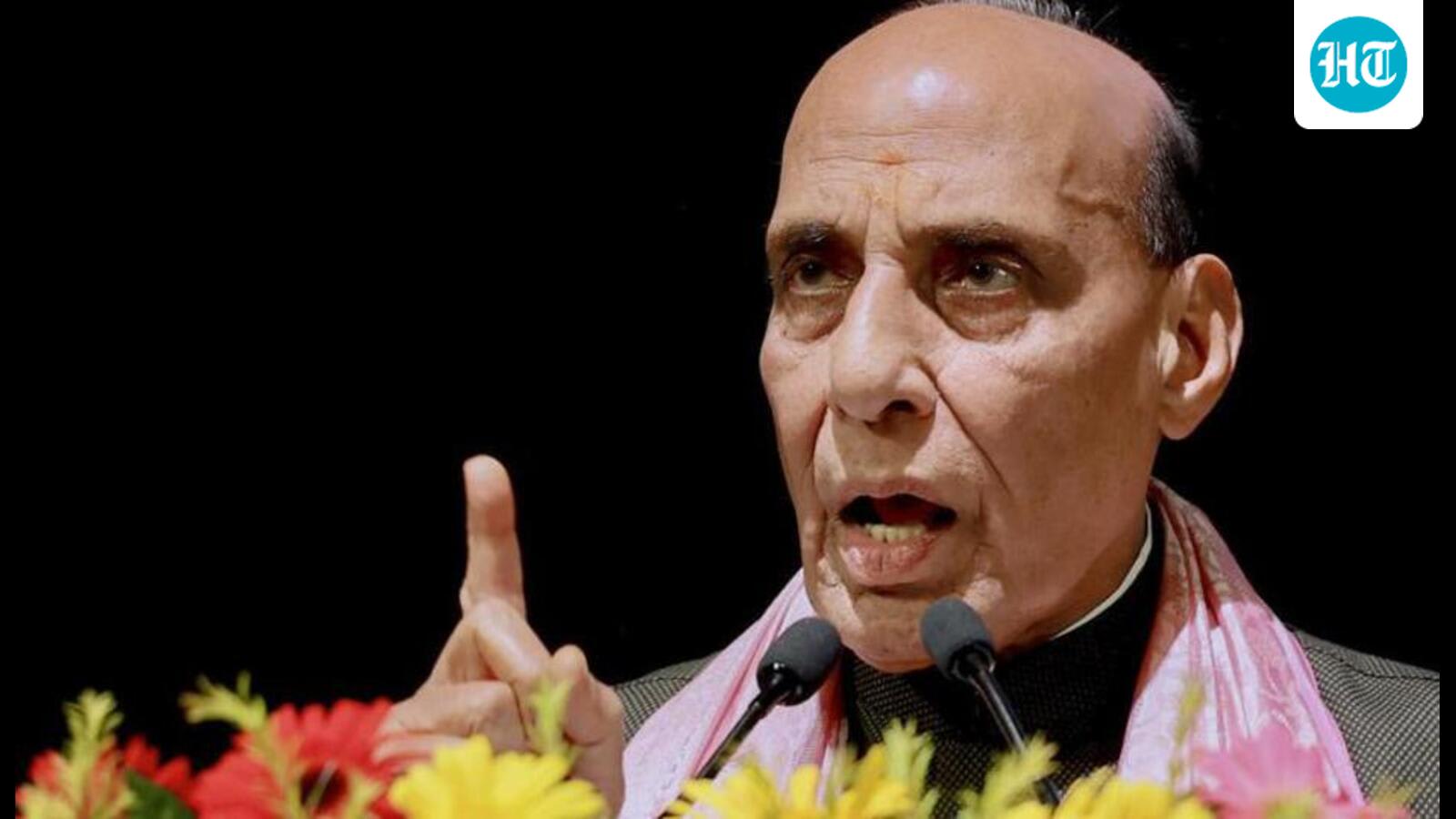
Defence Minister Rajnath Singh credited PM Narendra Modi with transforming India from a 'Fragile Five' economy to one of the world's top five. He highlighted major growth in the domestic defence manufacturing sector during the event in Varanasi.
The Economic Metamorphosis of India Under Modi
Defence Minister Rajnath Singh’s recent remarks in Varanasi, delivered during the launch of the Seva Sankalp Abhiyan, underscore a central pillar of the current government's narrative: the transition of India from a vulnerable economy to a global powerhouse. By contrasting the term 'Fragile Five'—a label frequently applied to India in 2013 due to high inflation and current account deficits—with the current 'Fabulous Five' status, the government is highlighting a decade of fiscal consolidation and structural reform.
Scaling the Global Economic Ladder
Singh’s assertion that India would have potentially reached the top three global economies had it not been for the external pressures of the West Asia crisis highlights the government's belief in the country's inherent growth velocity. This perspective posits that India’s economic trajectory has been fundamentally altered, moving away from reactive crisis management toward a proactive, manufacturing-led growth model that is increasingly resilient to global supply chain shocks and geopolitical volatility.
The Defence Production Paradigm Shift
Central to this transformation is the aggressive push toward indigenous defence manufacturing. The statistics shared by the Defence Minister—an increase in production from ₹40,000 crore to ₹1.8 lakh crore—serve as a quantifiable metric for the success of the 'Make in India' initiative within a sensitive strategic sector. This shift is not merely economic; it represents a strategic pivot toward 'Atmanirbharta' (self-reliance), reducing the nation's historical dependence on foreign military hardware.
Export Growth and Global Integration
Perhaps the most significant indicator of this industrial maturity is the explosion in defence exports, which surged from a modest ₹600 crore to over ₹40,000 crore. This growth suggests that Indian-made defence equipment is gaining international credibility. By transitioning from a net importer to an emerging exporter, India is effectively integrating its industrial base into the global defence supply chain, a feat that was considered improbable a decade ago.
Looking Toward the Future
As Prime Minister Modi marks 25 years in public life, the political messaging surrounding this milestone emphasizes continuity. Rajnath Singh’s claim that this period represents only “half an innings” signals an intent to sustain these economic and industrial policies for the foreseeable future. The focus on long-term structural development suggests that the current administration views its economic reforms as a multi-decade project rather than a short-term political cycle.
Conclusion
The narrative presented in Varanasi encapsulates the government's dual focus: celebrating past milestones while signaling a long-term commitment to economic expansion. Whether evaluating the rise in production capacity or the successful rebranding of India’s economic standing, the data points provided by the Defence Minister reflect a deliberate strategy to position India as a central player in the global economy. The success of these initiatives will likely remain a key benchmark for the administration's legacy as it looks toward the next phase of its tenure.
Verification Required?