Donald Trump bans CNN, MSNOW and Politico from White House
Source Entity
The Indian Express
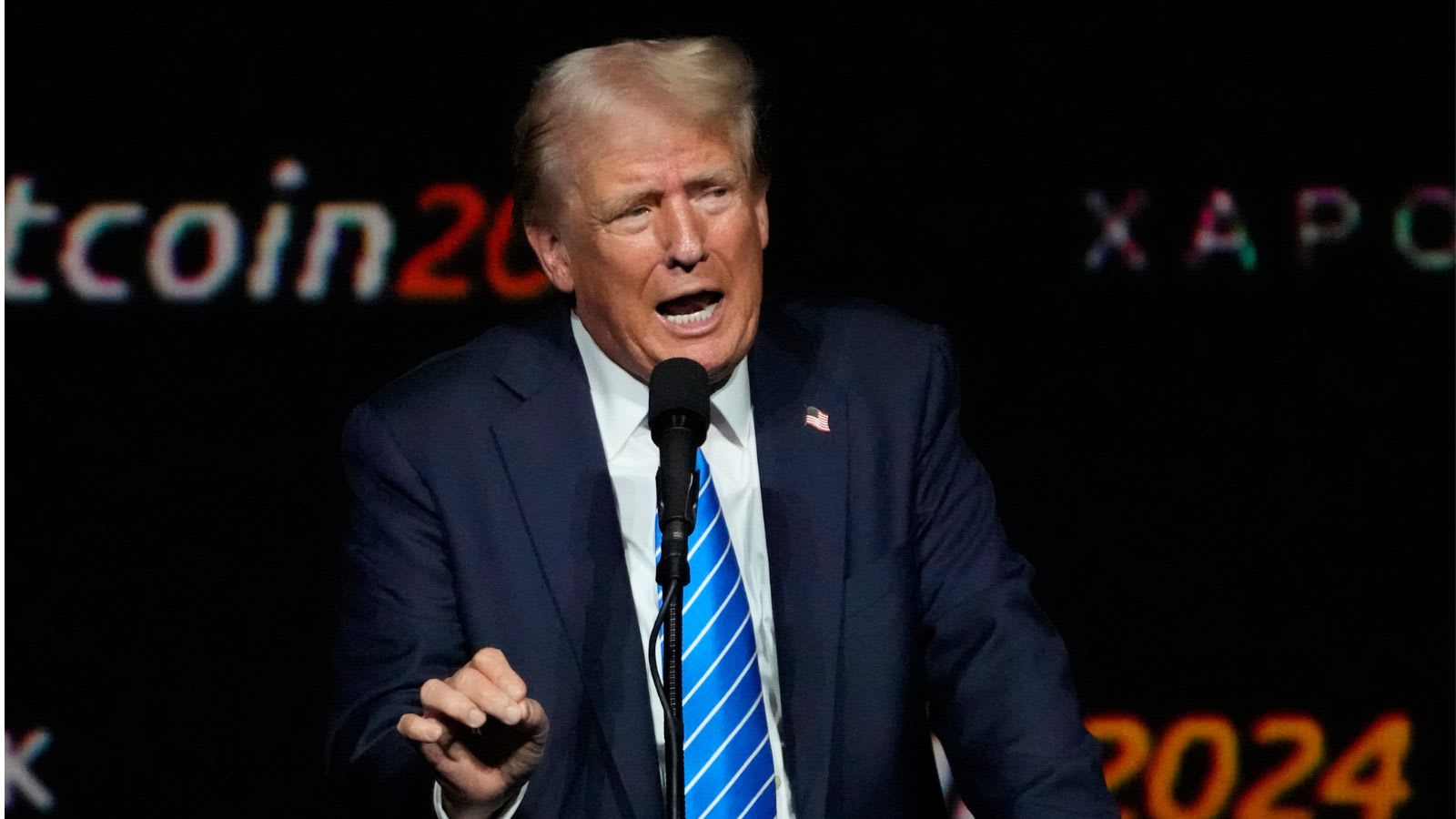
President Donald Trump has announced an immediate ban on CNN, MSNOW, and Politico from the White House. Citing 'fake news' and unfavorable coverage, the President threatened that additional media outlets may face similar restrictions in the future.
The Escalation of White House Media Relations
President Donald Trump has taken the unprecedented step of banning three major news organizations—CNN, MSNOW, and Politico—from White House premises. This decision, announced via his social media platform, signifies a major shift in the administration's policy regarding press access. By explicitly barring these outlets, the President has signaled a departure from traditional norms of presidential communication and media interaction, choosing instead to enforce a direct exclusion policy based on his assessment of their reporting quality.
The Rationale Behind the Exclusion
The central justification provided by the President for this ban is his characterization of these outlets' coverage as "FAKE NEWS." The administration has long maintained a contentious relationship with these specific organizations, frequently labeling their reporting as biased or misleading. In his announcement, the President specifically targeted these entities, claiming their narratives constitute "fiction and lies." This move serves as an enforcement mechanism for his long-standing criticism of mainstream media institutions that he perceives as inherently adversarial to his political agenda.
Financial and Political Accusations
Beyond the critique of content, the President’s rhetoric included pointed financial allegations, particularly against Politico. By citing an $8 million subscription arrangement involving the previous administration, the President attempted to frame these media organizations not merely as critical observers, but as entities sustained by political patronage. This narrative is intended to delegitimize the institutional standing of these press outlets by suggesting that their operational existence is tied to "crooked" political maneuvers rather than independent journalistic merit.
Broader Implications for Press Freedom
The implications of this ban extend far beyond the three named organizations. By threatening that "other Fake News Media Outlets to follow," the President has established a pattern of reactive censorship that could fundamentally alter the landscape of the White House press corps. This environment creates a chilling effect, where the threat of losing access to executive briefings and proximity to the President becomes a tool to influence editorial output. It forces a difficult conversation regarding the boundaries between a President’s right to curate their own press environment and the public's right to independent oversight.
Historical and Future Perspectives
Historically, the relationship between the executive branch and the media has been defined by a degree of friction, yet the formal banning of specific, major news outlets is a rare and aggressive escalation. As the administration continues to favor platforms where they have more direct control over the narrative, the role of traditional media as the "fourth estate" faces a significant challenge. Future trends suggest that this divide will likely widen, as the President continues to prioritize direct communication channels over the traditional press, potentially leading to a more bifurcated media ecosystem where access is contingent upon alignment with administration narratives.
Conclusion
In summary, the ban on CNN, MSNOW, and Politico represents a pivotal moment in the administration's battle against perceived media bias. By leveraging executive authority to restrict press access, the President has bypassed standard diplomatic or administrative discourse in favor of a direct, punitive approach. As this situation evolves, the impact on the public's ability to receive diverse reporting on the White House will likely become a central point of contention in American political life.
Multiple Citing Sources