Rajnath’s Sikkim visit shines spotlight on soldier who stands guard long after death
Source Entity
Latest News: Todays Latest News Headlines from India & World | Hindustan Times
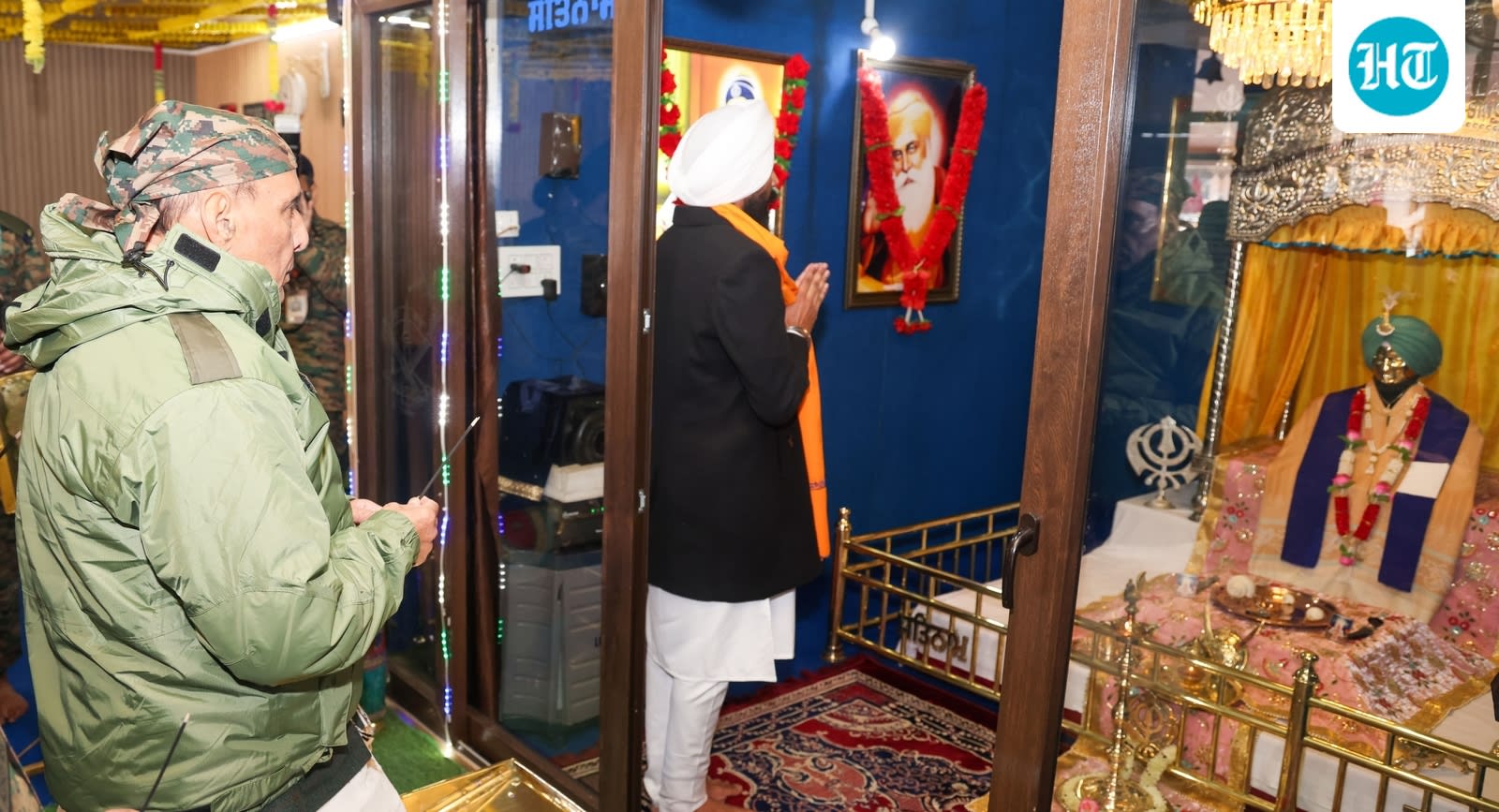
Defence Minister Rajnath Singh’s recent visit to Sikkim has highlighted the legendary status of Baba Harbhajan Singh, a soldier believed to protect troops long after his 1968 death. The tribute underscores the deep integration of military folklore and morale-building within the Indian Army's high-altitude operations.
The Legend of Baba Harbhajan Singh: Faith at 13,000 Feet
Defence Minister Rajnath Singh’s recent Diwali visit to the forward areas of Sikkim has brought renewed national attention to one of the Indian Army’s most enduring pieces of folklore: the story of Baba Harbhajan Singh. Stationed at an altitude of 13,123 feet, the memorial dedicated to the soldier of the 23rd Battalion of the Punjab Regiment serves as more than just a monument. It acts as a spiritual anchor for troops stationed in one of the most inhospitable and strategically sensitive frontiers in the world.
Historical Context of the Nathu La Frontier
The significance of this region is rooted in the volatile history of the late 1960s. Harbhajan Singh, who was only 22 years old, tragically drowned in October 1968 after slipping into a stream while escorting a mule convoy near Nathu La. This area is historically charged, having been the site of fierce clashes between Indian and Chinese troops in 1967 at Nathu La and Cho La. The Defence Minister’s tribute at the nearby Sherathang war memorial serves to bridge the gap between the historical sacrifices made during those border conflicts and the ongoing vigilance required at the mountain frontier today.
Military Folklore as a Force Multiplier
In the harsh, isolated, and freezing conditions of East Sikkim, the legend of Harbhajan Singh provides a unique psychological comfort to soldiers. Military folklore often serves as a powerful tool for maintaining morale, and the belief that a 'soldier who stands guard long after death' persists is a testament to the camaraderie and protective ethos of the Indian Army. Generals and foot soldiers alike have long spoken of his 'presence,' transforming a tragic accident into a symbol of perpetual watchfulness over the nation’s borders.
Strategic Importance and National Sentiment
By visiting these forward areas, the Defence Minister has underscored the strategic importance of the Sikkim sector in India’s broader security architecture. The proximity of the Chinese border makes this region a focal point for defense preparedness. However, the visit also highlights the human element of security—the spiritual and emotional bonds that sustain troops who operate in extreme environments far from their homes.
Future Trends and Cultural Legacy
The legend of Harbhajan Singh is unlikely to fade, as it has become deeply woven into the cultural identity of the Indian military. As India continues to bolster its infrastructure and presence along the Line of Actual Control (LAC), the memorial will likely remain a site of pilgrimage for soldiers and civilians alike. It represents the intersection of faith, national duty, and the enduring memory of those who served. Ultimately, the story reflects a military tradition that honors its fallen not just in history books, but as active participants in the ongoing defense of the nation.
Verification Required?