Rajnath Singh unveils Coast Guard reforms to boost gender equality
Source Entity
India Latest News: Top National Headlines Today & Breaking News | The Hindu
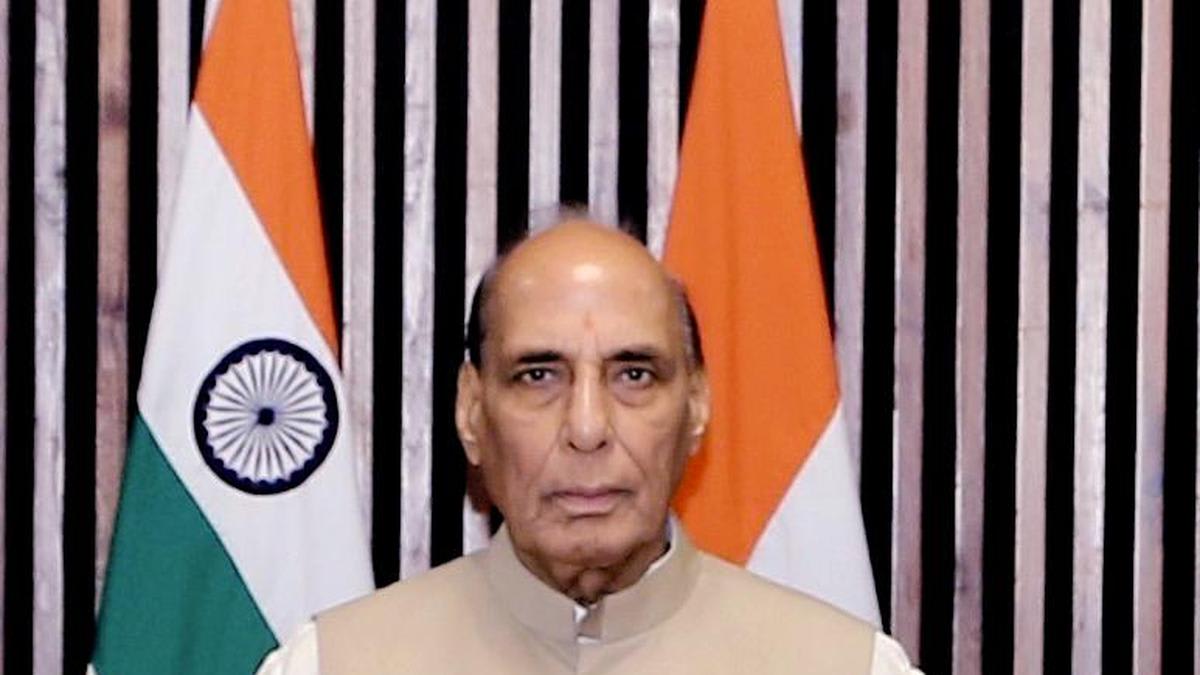
Defence Minister Rajnath Singh has introduced landmark reforms for the Indian Coast Guard, focusing on gender-neutral officer induction and streamlined ex-gratia compensation for missing personnel. These changes aim to bolster operational morale ahead of the force's 2027 Golden Jubilee.
Strengthening the Indian Coast Guard: A New Era of Reform
On July 28, 2026, Defence Minister Rajnath Singh announced two pivotal policy reforms for the Indian Coast Guard (ICG) at Kartavya Bhavan-2 in New Delhi. By introducing a gender-neutral framework for officer induction and career progression, alongside a simplified ex-gratia compensation process, the Ministry of Defence is signaling a modernizing shift in how India’s maritime security forces operate and support their personnel.
Advancing Gender Parity in Maritime Security
The implementation of a gender-neutral framework marks a significant milestone for the Indian Coast Guard. By ensuring women candidates join the service on equal footing with their male counterparts, the ICG is aligning itself with broader national efforts to integrate women into combat and operational roles across the armed forces. This shift is not merely symbolic; it expands the talent pool and ensures that career progression is meritocratic, thereby enhancing the overall operational effectiveness of the maritime force.
Streamlining Support for Families
Perhaps the most compassionate aspect of these reforms is the simplification of the ex-gratia compensation process for families of personnel reported missing at sea. Historically, bureaucratic hurdles in such tragic circumstances have caused significant distress to grieving families. By accelerating these payments, the government is providing a vital social safety net, ensuring that the families of those who serve in high-risk maritime environments are supported with dignity and efficiency.
Operational Morale and Strategic Outlook
Defence Minister Rajnath Singh emphasized that these measures are designed to strengthen the morale of the force. As the Indian Coast Guard approaches its Swarnim Jayanti (Golden Jubilee) in 2027, these reforms serve as a testament to the government's commitment to organizational evolution. A highly motivated force, backed by progressive policies, is essential for maintaining India’s maritime sovereignty and responding effectively to non-traditional security threats.
Broader Implications for India’s Defense Sector
These policy updates reflect a wider trend in India’s defense administration: the transition toward more agile, inclusive, and welfare-oriented management systems. By reducing administrative friction and promoting equality, the ICG is setting a standard for other paramilitary and defense organizations. This evolution is crucial as the geopolitical landscape in the Indian Ocean Region becomes increasingly complex, necessitating a force that is as administratively modern as it is technologically capable.
Conclusion
In summary, the reforms unveiled by Defence Minister Rajnath Singh represent a forward-looking approach to personnel management and welfare. By addressing the critical needs of gender parity and family support, the Indian Coast Guard is better positioned to face the challenges of the future. These changes ensure that as the force celebrates its fifty-year legacy in 2027, it remains a robust, inclusive, and highly supported institution dedicated to the protection of India’s maritime borders.
Verification Required?