Ramesan Paleri, chairman of Kerala-based Uralungal cooperative society, dies
Source Entity
India Latest News: Top National Headlines Today & Breaking News | The Hindu
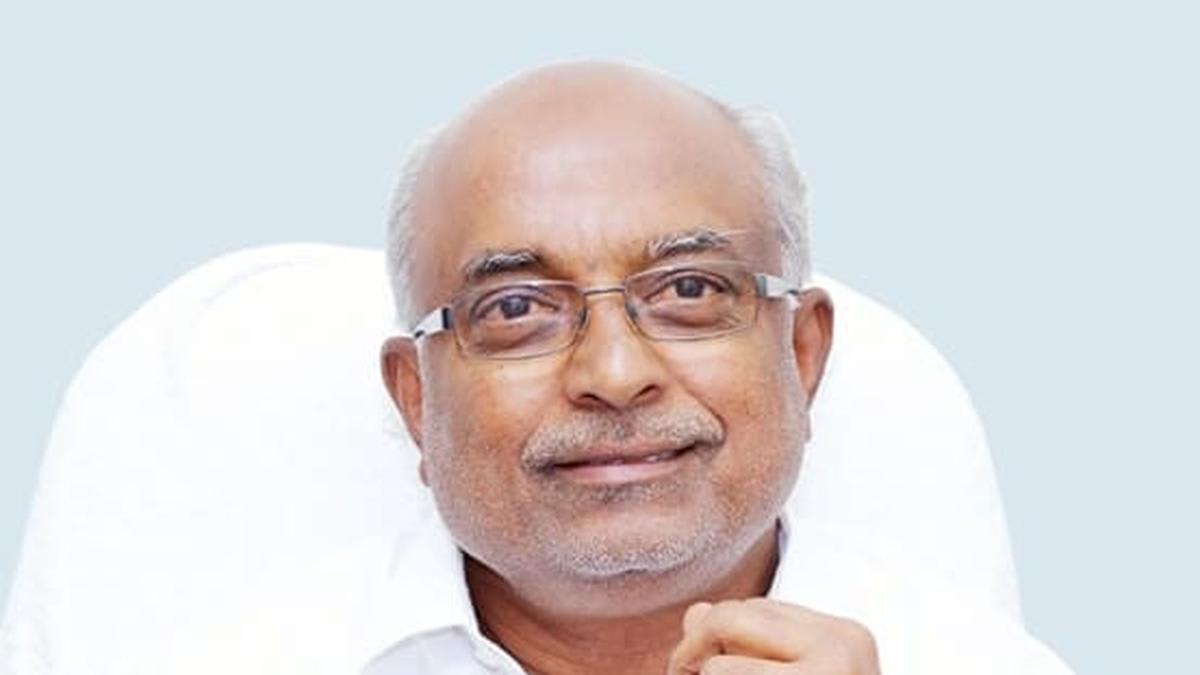
Ramesan Paleri, the visionary chairman who transformed the century-old Uralungal Labour Contract Cooperative Society (ULCCS) into an Asian giant, has passed away at 66. His leadership turned a small Malabar-based collective into a massive infrastructure powerhouse.
The Legacy of a Cooperative Visionary: Ramesan Paleri
The passing of Ramesan Paleri, the long-standing chairman of the Uralungal Labour Contract Cooperative Society Ltd. (ULCCS), marks the end of an era for one of India's most successful cooperative models. At 66, Paleri succumbed to illness while undergoing treatment in Coimbatore, leaving behind a legacy that transcends traditional labor contracting. Under his stewardship, ULCCS evolved from a localized initiative into a multi-faceted enterprise that stands as a beacon for cooperative self-reliance in Asia.
Transforming the Cooperative Landscape
Historically, ULCCS began as a small, century-old labor collective in the Vadakara region of Kerala. Before Paleri's transformative leadership, the society’s operations were largely confined to minor contract works within North Malabar. Paleri’s strategic vision shifted the society’s trajectory, scaling operations to handle major infrastructure projects and diversifying into technology and education. This shift not only secured the livelihoods of thousands of workers but also proved that the cooperative model could compete effectively with private sector giants.
Economic Impact and Infrastructure
Paleri is credited with modernizing the society to achieve a massive annual turnover, turning a humble labor union into a corporate-scale entity. By maintaining the cooperative ethos while adopting modern management practices, he enabled ULCCS to undertake complex infrastructure projects across the state. This growth trajectory served as a blueprint for how collective ownership can drive regional economic development, creating sustainable jobs while delivering high-quality public works.
The Human Element of Leadership
Beyond the balance sheets, Paleri was deeply regarded for his commitment to the welfare of the society’s members. In the context of Kerala’s unique socio-political landscape, where cooperative movements have historically played a vital role in social equity, Paleri’s work ensured that the benefits of large-scale construction were distributed among the workers themselves. His ability to balance profitability with member-centric values remains his most enduring contribution to the cooperative movement.
A Future Defined by Structural Stability
As the society moves forward without its long-term leader, the challenge lies in sustaining the momentum Paleri built. Having expanded into diverse sectors, ULCCS is no longer just a labor contract entity; it is a diversified corporation. Future trends for the organization will likely focus on technological integration and expanding its footprint beyond Kerala. The infrastructure Paleri built—both physical and organizational—provides a robust foundation for the society's continued relevance in India's evolving economic landscape.
Concluding Thoughts
Ramesan Paleri’s death is a profound loss for the cooperative sector in India. By proving that a century-old labor society could scale to national prominence, he challenged conventional wisdom regarding the limitations of cooperatives. As family, colleagues, and the public pay their final respects in Kozhikode and Vadakara, the narrative of his life remains firmly tied to the success of ULCCS—a testament to what collective human effort can achieve under clear, visionary leadership.
Verification Required?