Frustrated Ranchers Want People to Quit 'Rescuing' Their Working Guardian Dogs
Source Entity
Hacker News
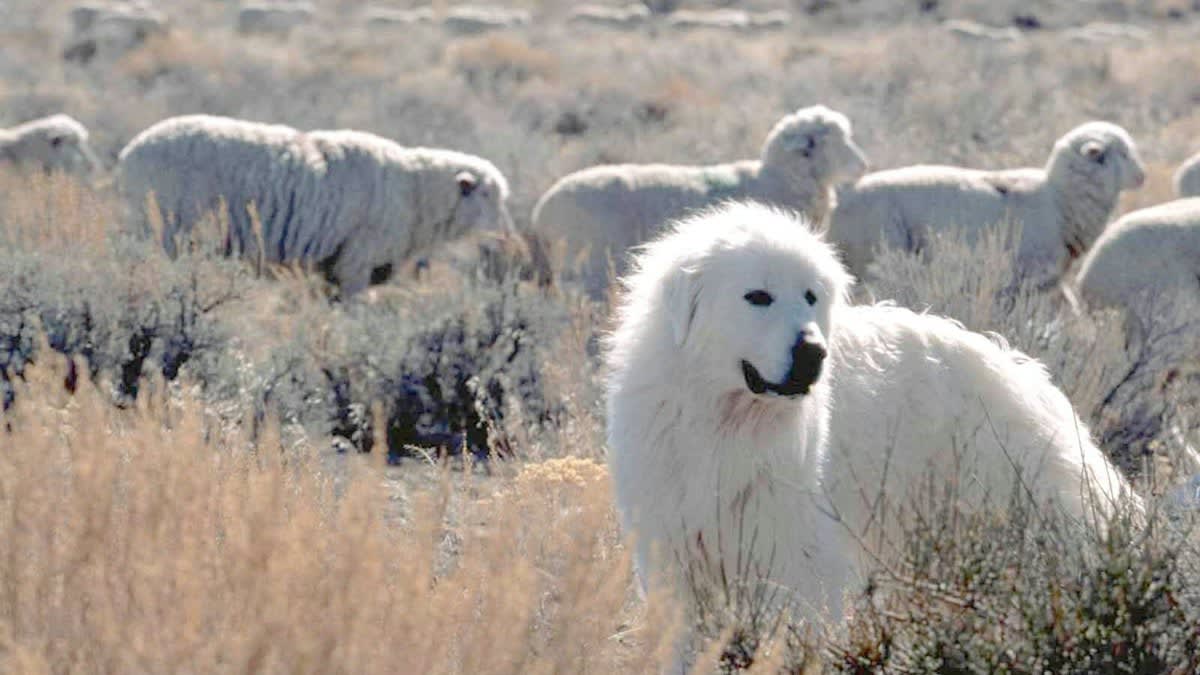
Ranchers are reporting an increase in well-intentioned but misguided 'rescues' of livestock guardian dogs. These incidents disrupt critical predator control measures and place working animals in unnecessary distress at local shelters.
The Hidden Dangers of Misguided Animal Rescue
Recent reports from ranchers, such as Martin Wissner of Carpenter, highlight a growing conflict between rural agricultural practices and urban-centric perceptions of animal welfare. Livestock guardian dogs (LGDs), such as Wissner’s Akbash named Faith, are not pets in the traditional sense; they are highly trained, autonomous workers tasked with the critical role of protecting livestock from predators. When members of the public encounter these dogs outside of a fence line, they often mistakenly assume the animal is lost, abandoned, or in distress, leading to unauthorized 'rescues' that disrupt ranch operations.
The Role of Livestock Guardian Dogs
Understanding the nature of an LGD is essential to grasping why these 'rescues' are so problematic. Breeds like the Akbash are bred for independence and protective instincts. They often patrol large perimeters and may work near fence lines or even move between pastures to monitor their flock. When a dog is removed from its post by a well-meaning neighbor, the flock is left immediately vulnerable to predators, potentially resulting in significant financial and biological losses for the rancher. The dog, meanwhile, is removed from its environment and placed into a high-stress shelter setting.
The Impact of Human Intervention
In the case of Faith, the intervention by a neighbor—who spotted the dog near the property fence and transported her to a shelter in Cheyenne—created an unnecessary chain of administrative and logistical hurdles. Despite Faith wearing a collar with a rabies tag, which serves as a primary identifier, the assumption of abandonment overrode standard protocol. This trend reflects a broader disconnect between modern suburban populations and the realities of working agriculture, where the proximity of a dog to a fence is often a sign of a job being performed, not an animal in need.
Navigating Rural-Urban Misunderstandings
This incident serves as a cautionary tale regarding the 'good Samaritan' impulse. While animal welfare is a noble priority, the lack of knowledge regarding working dog behaviors leads to outcomes that are detrimental to both the animal and the owner. When a working dog is taken to a shelter, it is not merely a lost pet being recovered; it is a vital piece of farm infrastructure being removed from duty. This causes distress to the animal, who is trained to remain with its flock, and forces the rancher to abandon their duties to locate and retrieve their guardian.
Future Trends and Community Education
To mitigate these issues, there is a clear need for increased public education regarding the presence of working dogs in rural areas. As more individuals move from urban centers into rural environments, the frequency of such misunderstandings is likely to increase. Ranchers and local agricultural departments must work together to inform new residents about the presence of working dogs and the proper protocol for identifying a truly lost animal versus one that is simply on duty. By fostering better communication between neighbors, communities can ensure that these essential guardians remain at their posts, keeping both livestock and the dogs themselves safe and effective.