'23 Silkyara 'rat miners' offer to join Nepal tunnel rescue
Source Entity
TNN
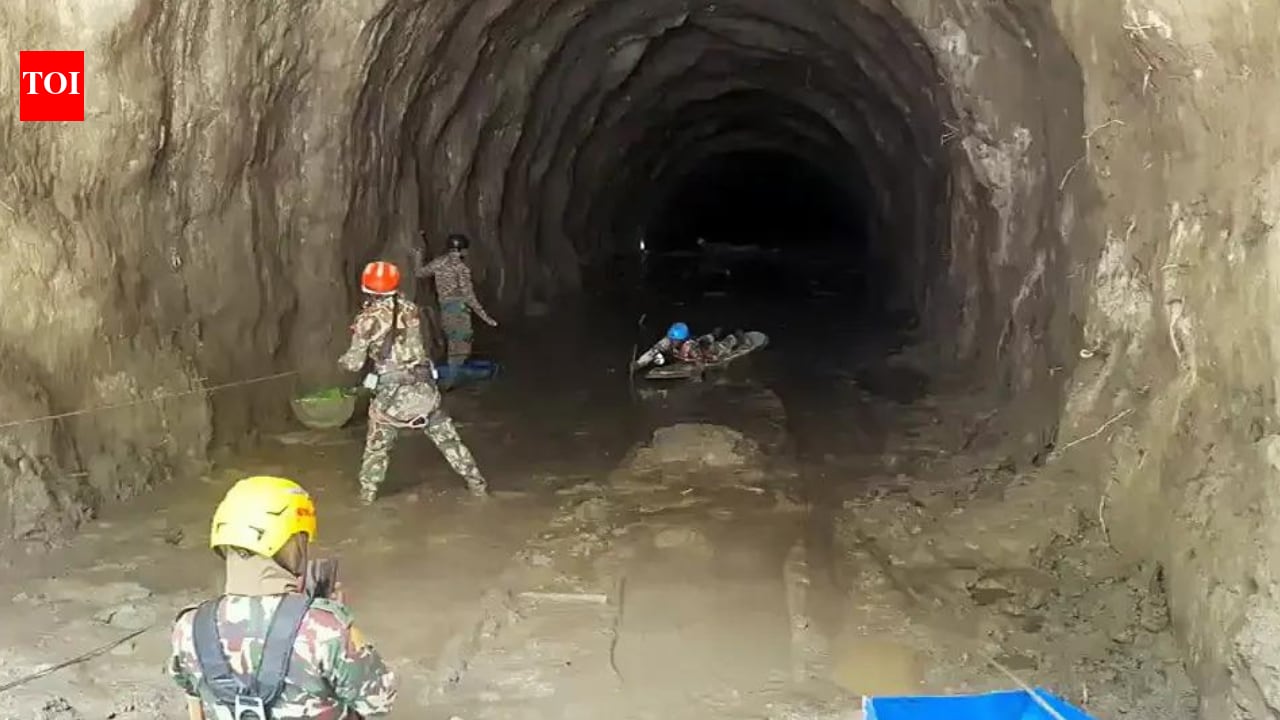
The 'rat miners' team, famous for the 2023 Silkyara tunnel rescue, has volunteered to assist in Nepal. They aim to help search for hundreds of workers missing across multiple hydropower project tunnels following recent flooding.
The 'Rat Miners' Extend Expertise to Nepal
A specialized team of manual excavators, commonly referred to as 'rat miners,' has formally offered their services to assist in rescue operations in Nepal. This group gained international recognition for their pivotal role in the 2023 Silkyara tunnel rescue in India, where their manual excavation techniques were instrumental in saving 41 trapped workers. The current offer comes as Nepal faces a dire humanitarian crisis following severe flooding, which has left at least 900 workers missing across 12 different hydropower projects.
The Scale of the Crisis in Nepal
The situation in Nepal is characterized by extreme logistical challenges, with reports suggesting that approximately 500 individuals may currently be trapped inside various tunnel systems. The Nepal Army has prioritized search and rescue efforts across 19 distinct hydropower tunnels, emphasizing the urgency of the situation. Given the specialized nature of these underground environments, the involvement of experienced personnel who understand the complexities of debris clearance in confined spaces is considered a critical asset.
The Proven Success of Manual Excavation
The 'rat miners' bring a unique methodology to disaster management. In the Silkyara tunnel incident, their ability to navigate and excavate in cramped, unstable conditions proved more effective than heavy machinery, which risked further collapses. By offering their services to Nepal, the team is applying a proven, albeit unconventional, strategy to a multi-site disaster that traditional search and rescue teams might struggle to address due to the sheer volume of affected tunnels.
Coordination and Diplomatic Channels
Anand Kansal, a Pune-based volunteer coordinator for the team, has initiated formal contact with the Indian ambassador to Nepal to facilitate this deployment. This diplomatic coordination is essential, as the cross-border movement of specialized rescue personnel requires high-level administrative approval and logistical support. The offer highlights the importance of regional cooperation in disaster response, particularly when dealing with the shared geographical and geological challenges of the Himalayan region.
Broader Implications for Disaster Response
The potential deployment of these miners underscores an evolving shift in disaster management strategy. While advanced technology remains the backbone of modern rescue efforts, the Silkyara incident demonstrated that human intuition and specialized manual labor remain indispensable. If the offer is accepted, it may set a precedent for future bilateral cooperation in disaster scenarios, where localized expertise is shared to mitigate the impact of climate-induced catastrophes like the current flooding in Nepal.
Future Outlook
As the search continues, the international community is watching closely to see if this specialized team will be integrated into the ongoing relief efforts. The success of such a mission would not only provide a lifeline to the missing workers but also validate the 'rat miners' as a vital component in the global disaster response toolkit. Their willingness to volunteer for such a high-risk operation highlights the humanitarian spirit that often drives professional rescue efforts in South Asia.