Ravi Teja faces flak for using ‘derogatory’ term to describe Irumudi child artist Nakshathra: ‘Wrong on so many levels’
Source Entity
Latest News: Todays Latest News Headlines from India & World | Hindustan Times | Hindustan Times
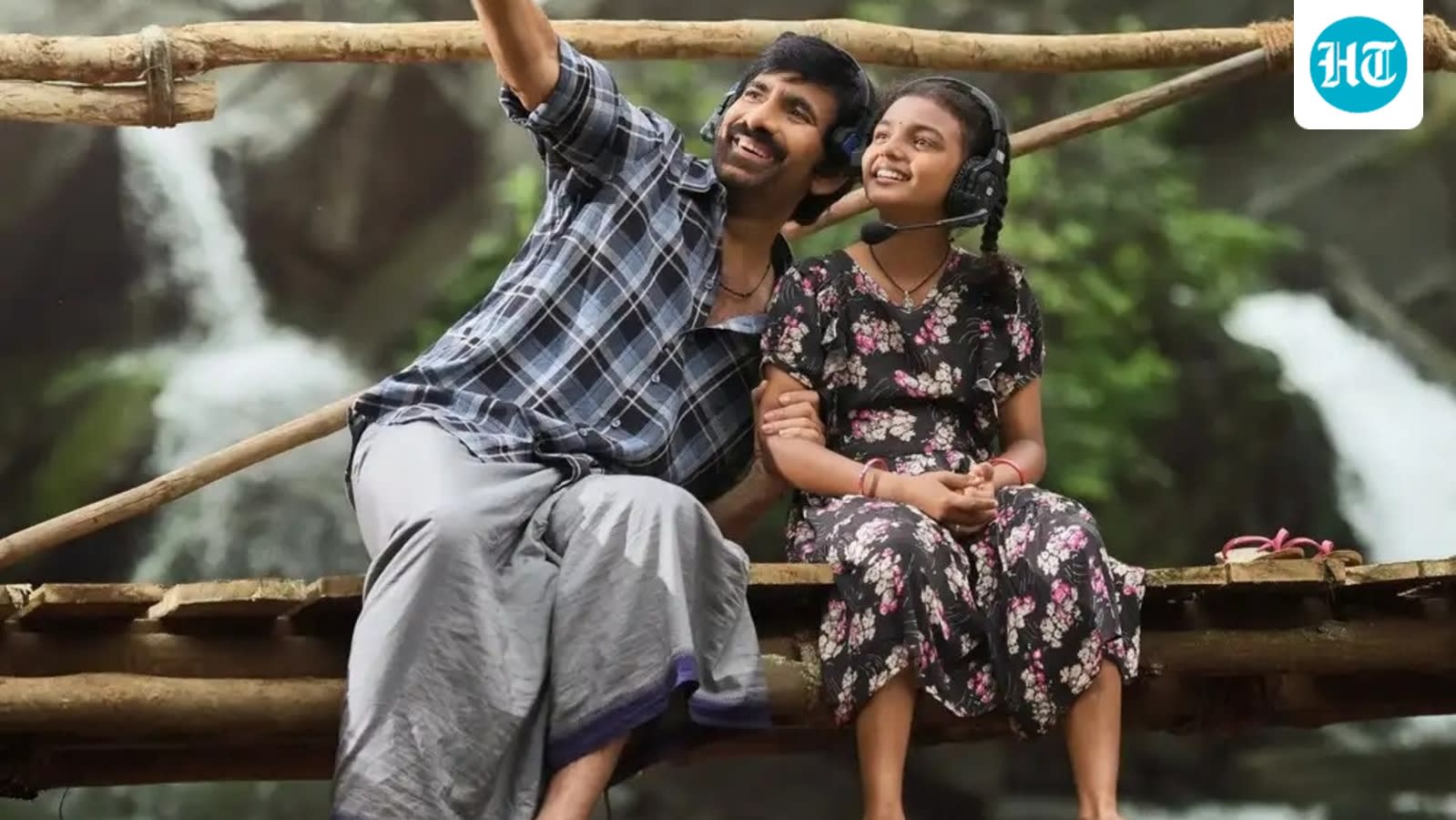
Actor Ravi Teja is facing significant online backlash for using an allegedly derogatory term to describe child artist Nakshathra during a pre-release event. The incident has sparked a debate regarding professional conduct and the treatment of minors in the public eye.
The Controversy Surrounding Ravi Teja and Nakshathra
An Unfortunate Incident at a Public Event
During the recent pre-release event for the film Irumudi, actor Ravi Teja found himself at the center of a growing controversy. While addressing the audience and the cast, he used a specific term to describe child artist Nakshathra that many viewers and social media users have deemed derogatory. The incident, which was captured and circulated widely online, has drawn sharp criticism from the public, who argue that such language is inappropriate, especially when directed at a minor.
The Power of Social Media Accountability
The swift reaction from internet users highlights the evolving nature of celebrity accountability in the digital age. As the video of the event gained traction, the hashtag and general sentiment turned against the actor, with many commenters noting that his choice of words was "wrong on so many levels." This collective outcry serves as a reminder that public figures are under constant scrutiny, and events that were once dismissed as casual banter are now subject to rigorous moral and professional evaluation by global audiences.
The Vulnerability of Child Artists
At the heart of this issue is the protection and respect afforded to child artists within the film industry. Children working in high-pressure environments like promotional events for feature films are often subjected to adult-centric humor and off-the-cuff remarks that may not be age-appropriate. The backlash against Ravi Teja underscores a growing societal demand for higher standards of behavior from established stars when interacting with younger colleagues, emphasizing that professional sets should be safe spaces for all participants regardless of age.
Industry Implications and Professional Conduct
For seasoned actors, public appearances are an extension of their professional brand. When a slip in language occurs, it can lead to reputational damage and force a conversation about the necessity of media training and sensitivity awareness. The incident involving Nakshathra highlights a gap in how some industry veterans navigate public discourse, suggesting that the industry may need to recalibrate its approach to how stars interact with younger talent during promotional circuits.
A Call for Greater Sensitivity
As the discourse continues, the incident serves as a cautionary tale regarding the use of language in public forums. Whether the comment was intended as a joke or was merely a thoughtless remark, the impact on the recipient and the public perception remains the same. The situation calls for a broader reflection on the responsibility that comes with stardom, urging celebrities to exercise greater caution and empathy, particularly when their comments involve children who may not have the platform or agency to defend themselves in real-time.
Conclusion
The controversy surrounding Ravi Teja’s comments about Nakshathra is a significant moment that underscores the intersection of celebrity culture and public ethics. By calling out behavior deemed inappropriate, the public is setting a higher bar for how industry professionals should conduct themselves. Moving forward, it is likely that stars will need to be increasingly mindful of their public interactions, ensuring that their conduct aligns with the evolving expectations of a more aware and vocal audience.
Verification Required?