Ravneet Singh Bittu resigns as Union Minister after his Rajya Sabha tenure ends
Source Entity
India Latest News: Top National Headlines Today & Breaking News | The Hindu
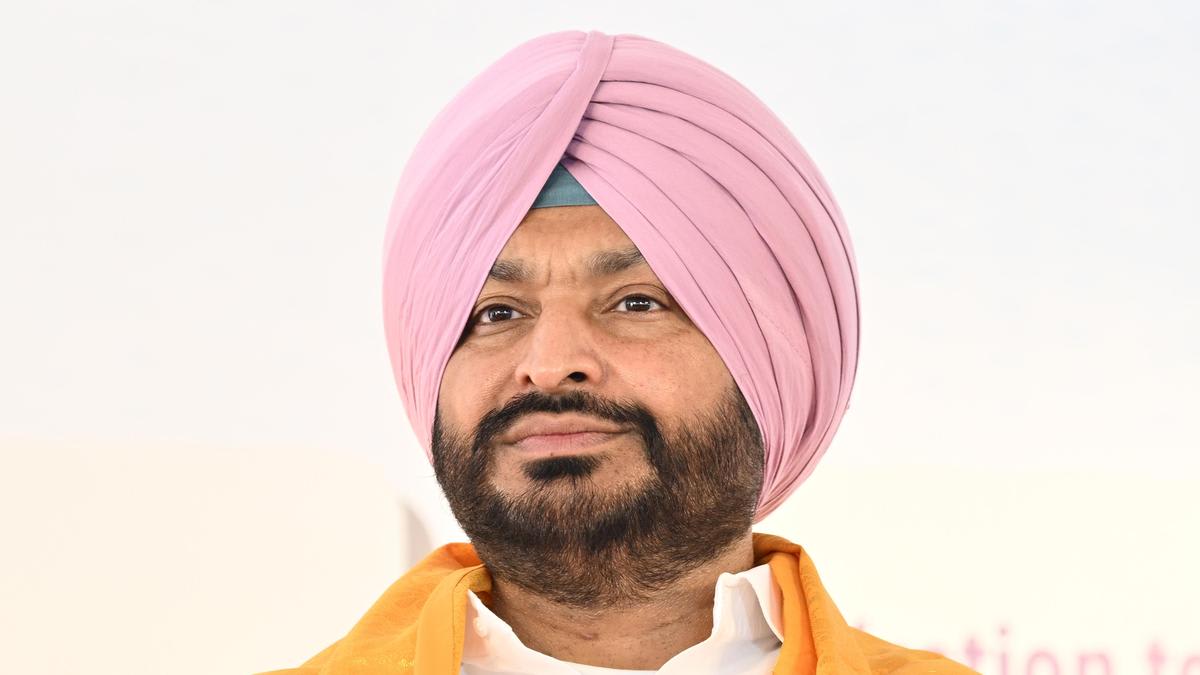
Ravneet Singh Bittu has resigned as a Union Minister following the conclusion of his Rajya Sabha term. His departure is widely viewed as a strategic move to focus on the BJP's organizational efforts for the upcoming Punjab Assembly elections.
The Strategic Resignation of Ravneet Singh Bittu
On July 24, 2026, the political landscape in Punjab witnessed a significant development as Ravneet Singh Bittu resigned from his position as the Minister of State for Railways and Food Processing. The resignation, accepted by President Droupadi Murmu under Article 75(2) of the Constitution, follows the expiration of his Rajya Sabha term on June 21, 2026. This administrative transition marks a pivotal moment for both the Union government and the Bharatiya Janata Party (BJP) as they recalibrate their strategy for the state.
Contextualizing the Exit
Ravneet Singh Bittu, a three-time former Congress MP and grandson of the late Punjab Chief Minister Beant Singh, transitioned to the BJP earlier in 2026. Despite his electoral loss, he was inducted into the Union Council of Ministers in June 2024, reflecting the party's intent to utilize his political pedigree and influence in the Punjab region. His departure from the cabinet is not an isolated event but mirrors the recent exit of George Kurian, who also stepped down following the conclusion of his Rajya Sabha tenure, underscoring a procedural alignment within the ministry regarding members who no longer hold legislative status.
Organizational Reorientation
Political observers suggest that Bittu’s resignation is less about a loss of favor and more about a strategic reorientation toward the grassroots level. With Punjab Assembly elections looming in 2027, the BJP is seeking to bolster its presence in a state where it has historically struggled to gain significant electoral ground. By freeing himself from the constraints of ministerial responsibilities, Bittu is reportedly being positioned to take on a more robust role in the party’s organizational machinery, potentially contesting the Ludhiana (Central) Assembly constituency.
The Path Toward 2027
For the BJP, the move signals a commitment to aggressive expansion in Punjab. Bittu’s deep-rooted political background in the state provides the party with a seasoned leader who understands the complexities of local governance and the nuances of the regional electorate. The move to shift him from a national ministerial role to a direct state-level political fight indicates that the party leadership views the upcoming assembly elections as a high-stakes arena where established faces are necessary to penetrate traditional political strongholds.
Historical Precedents and Future Trends
This transition reflects a broader trend of political parties moving experienced national-level leaders into state-level battles to revitalize their regional wings. Historically, the BJP has often leveraged the expertise of former opposition leaders to bridge cultural and political gaps in states like Punjab. As the party prepares for the 2027 cycle, Bittu’s future trajectory—from a minister in New Delhi to a potential MLA in Ludhiana—will serve as a bellwether for the party’s overall strategy in the state, testing whether his personal influence can translate into a broader electoral victory for the BJP.
Conclusion
In summary, Ravneet Singh Bittu’s resignation is a calculated step in the lead-up to the Punjab Assembly elections. While the constitutional necessity of his departure was triggered by the end of his Rajya Sabha term, the timing and subsequent redirection of his efforts toward organizational activities suggest a deliberate push by the BJP to strengthen its base. As the state gears up for the next election cycle, all eyes will be on how Bittu maneuvers the local political currents in the quest to secure a legislative seat for his new party.
Multiple Citing Sources
Verification Required?