Not security concerns, but erosion of political capital of the ruling party led to Pradhan’s resignation
Source Entity
India Latest News: Top National Headlines Today & Breaking News | The Hindu
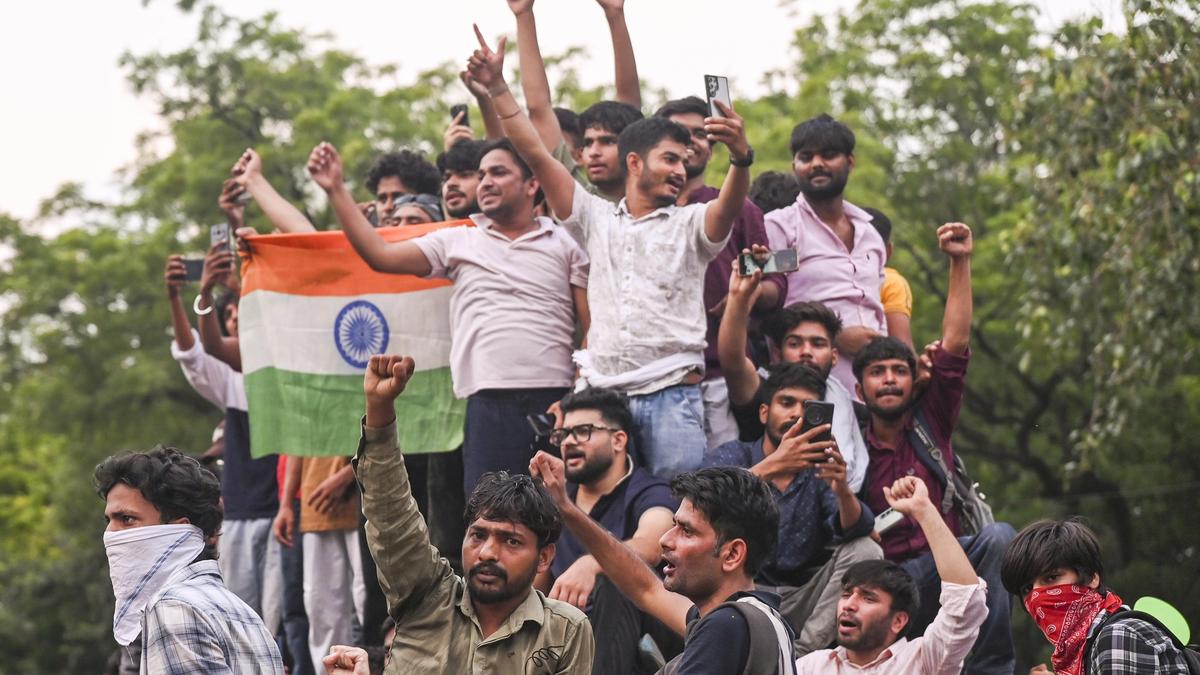
Student organizations and activists are protesting against alleged exam irregularities and police conduct in Delhi. Simultaneously, climate activist Sonam Wangchuk's family expressed concern as his hunger strike reached a critical juncture.
Growing Unrest Over Examination Integrity
The recent wave of student protests across India, highlighted by demonstrations near the GVMC office and at Jantar Mantar, signals deep-seated frustration regarding the management of national examinations. Organizations such as the Naujawan Bharat Sabha (NBS) and the Disha Students’ Organisation have mobilized to voice their opposition to recurring paper leaks and examination scams that jeopardize the futures of millions of candidates. These protests are not merely localized events but represent a broader demand for systemic reform within the National Testing Agency (NTA).
The Demand for Accountability
Central to these protests is the call for institutional responsibility. Activists like Sujan of the NBS have explicitly demanded the abolition of the NTA, arguing that the agency has failed to maintain the sanctity of public examinations. By calling for the resignation of Union Education Minister Dharmendra Pradhan, demonstrators are shifting the focus from administrative errors to political accountability. The inclusion of figures like CJP founder Abhijeet Dipke, who has publicly invited Minister Pradhan to engage with the protesters at Jantar Mantar, highlights an intensifying effort to force a direct dialogue between the government and the aggrieved student body.
Police Conduct and Civil Liberties
The protests have also brought the issue of police conduct to the forefront. Demonstrators have condemned what they characterize as the Delhi Police’s assault on students at Jantar Mantar, framing the state's response as an attempt to suppress legitimate dissent. This tension between student protesters and law enforcement reflects a recurring friction point in Indian democratic life, where the right to peaceful assembly is frequently challenged during high-stakes political demonstrations.
Parallel Movements: The Case of Sonam Wangchuk
While the national capital grapples with examination-related unrest, other forms of advocacy are simultaneously reaching critical stages. The hunger strike by climate activist Sonam Wangchuk has garnered national attention, with his brother, Dorjey, expressing significant concern as the fast approached its planned conclusion on July 20. These parallel movements, though distinct in their objectives, underscore a period of heightened civil activism in India where individuals and groups are increasingly utilizing hunger strikes and public protests to bring specific policy grievances to the attention of the administration.
Broader Implications and Future Trends
The intersection of these events suggests a growing trend of organized, persistent advocacy aimed at long-term policy change rather than immediate, short-term solutions. Whether through the demand for educational reform or the push for regional rights, the current climate indicates that the government faces sustained pressure to address institutional failures. As these movements continue to gain traction, the administration's ability to maintain public trust will likely depend on its willingness to engage with these demands for transparency, accountability, and the protection of civil rights.
Multiple Citing Sources
Verification Required?