Did WHCD security fail again? Report reveals alleged gaps after April shooting scare
Source Entity
Latest News: Todays Latest News Headlines from India & World | Hindustan Times | Hindustan Times
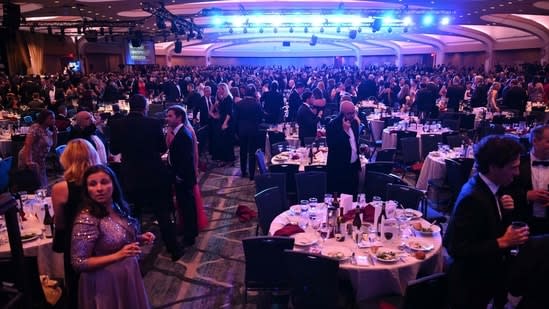
The rescheduled White House Correspondents' Dinner is under scrutiny following reports of lingering security gaps despite heightened protocols. Organizers significantly reduced attendance and implemented stricter screening after a prior assassination attempt, yet concerns regarding event safety persist.
Scrutiny Intensifies: Security Challenges at the WHCD
The White House Correspondents' Dinner (WHCD), a staple of Washington D.C.'s social and political calendar, is currently mired in controversy following reports of alleged security vulnerabilities. Despite the implementation of enhanced protective measures, the event—which was rescheduled following a harrowing shooting incident on April 25, 2026—remains a focal point for concerns regarding the safety of high-profile political and media figures.
The Shadow of the April Incident
The impetus for these heightened security protocols stems directly from the April 25, 2026, shooting at the Washington Hilton. That event, which saw gunfire disrupt the proceedings, fundamentally altered the logistical approach of the White House Correspondents' Association (WHCA). The incident forced a massive re-evaluation of how such high-density gatherings of political elites, journalists, and public figures are protected in an increasingly volatile climate.
Strategic Downsizing and Protocol Shifts
In direct response to the security failures witnessed during the initial April event, organizers took drastic steps to mitigate risk for the rescheduled gathering. The most significant shift was a massive reduction in guest capacity, dropping from approximately 2,600 attendees to a more manageable group of 700. By moving the venue to the Waldorf Astoria and implementing rigorous new screening procedures, the WHCA sought to create a 'hardened' environment that could better withstand potential threats.
Persistent Vulnerabilities
Despite these proactive measures, reports from The Mirror US suggest that security gaps remain. The persistence of these concerns highlights the inherent difficulty in securing large-scale public events where the guest list includes the most powerful individuals in the country. Even with reduced numbers, the logistical complexity of managing a venue while ensuring the safety of participants creates a persistent tension between accessibility and security.
Broader Implications for Political Gatherings
The ongoing scrutiny surrounding the WHCD serves as a microcosm for the broader challenges facing political event planning in the current era. As security threats evolve, the traditional model of the 'open' press dinner is being forced to adapt. Future trends suggest that these events may become increasingly exclusive, characterized by extreme vetting and restricted access, as organizers prioritize physical safety over traditional networking opportunities.
Conclusion
While the White House Correspondents' Association has made demonstrable efforts to learn from the failures of the April shooting, the current situation underscores that there is no 'perfect' security solution. As the organization moves forward, the pressure will remain on officials to balance the vital role of the free press and political discourse with the absolute necessity of protecting attendees in an unpredictable environment.
Verification Required?