Opinion: Blog | I Lost My Entire Family In Kanishka Bombing. 41 Years Later, Canada Wants The Case Closed
Source Entity
NDTV News Search Records Found 1000
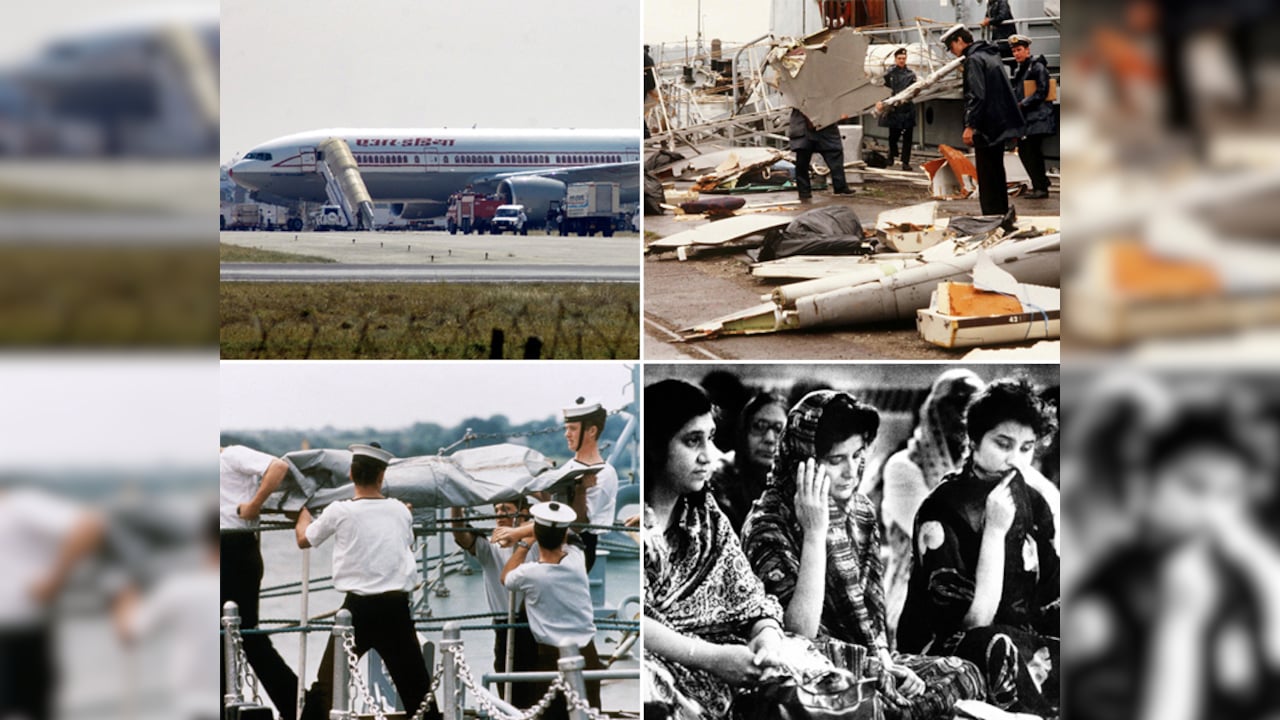
The RCMP is reportedly considering scaling back the long-standing investigation into the 1985 Air India Flight 182 bombing due to a lack of new leads. Families of the victims have expressed deep dismay at the potential closure of the case over four decades after the tragedy.
The Potential Closure of the Air India Flight 182 Investigation
A Lingering Shadow of 1985
On June 23, 1985, Air India Flight 182, known as the Kanishka bombing, claimed the lives of 329 individuals when a bomb planted by Khalistani extremists detonated mid-air. For over four decades, this event has remained the deadliest terrorist attack in Canadian history and a profound source of trauma for the families involved. Recent reports indicate that the Royal Canadian Mounted Police (RCMP) are now contemplating a significant reduction in the dedicated task force responsible for the investigation, citing a persistent lack of actionable leads.
The Families' Struggle for Accountability
The news of a potential winding down of the probe surfaced following a meeting held on September 12 regarding the progress of the investigation. The reaction from victim families has been one of profound shock and betrayal. Sanjay Lazar, chairman of the Kanishka Foundation, addressed this in a letter to Canadian leadership, reflecting the visceral pain of those who have spent 41 years seeking justice. For many, the investigation is not merely a bureaucratic process but a necessary acknowledgment of the state's duty to provide closure for a tragedy that devastated entire families.
The Human Cost of Tragedy
The emotional weight of this case is underscored by the harrowing experiences of those left behind. Survivors and relatives have described the gruesome reality of the aftermath, including the arduous process of identifying loved ones in makeshift morgues, such as the one in Cork, Ireland, where families spent weeks sifting through remains. This personal history adds a layer of intense moral weight to the current discourse on whether the investigation should be officially scaled back.
Challenges in Long-Term Investigations
Law enforcement agencies often face the difficult reality of "cold case" management, where the passage of time diminishes the availability of forensic evidence and witness testimony. The RCMP's decision to consider a reduction in the task force appears to be a pragmatic acknowledgment of these investigative limitations. However, in the context of international terrorism, the political and social implications of closing a case of this magnitude are significant, as they touch upon the state’s commitment to addressing historical grievances.
Future Implications and Conclusion
The potential closure of the Kanishka bombing investigation marks a somber milestone in Canadian-Indian relations and the history of global counter-terrorism. While the lack of new leads presents a significant legal hurdle, the dismay expressed by families highlights the ongoing need for sensitivity in how such cases are handled. As the RCMP moves toward a decision, the legacy of the 1985 bombing remains a stark reminder of the long-term impact of extremist violence and the enduring, often unfulfilled, quest for justice.
Multiple Citing Sources
Verification Required?