Amid war fears, is Europe’s energy crisis back? MBS turns off oil tap after Houthi drone strike
Source Entity
Latest News: Todays Latest News Headlines from India & World | Hindustan Times | Hindustan Times
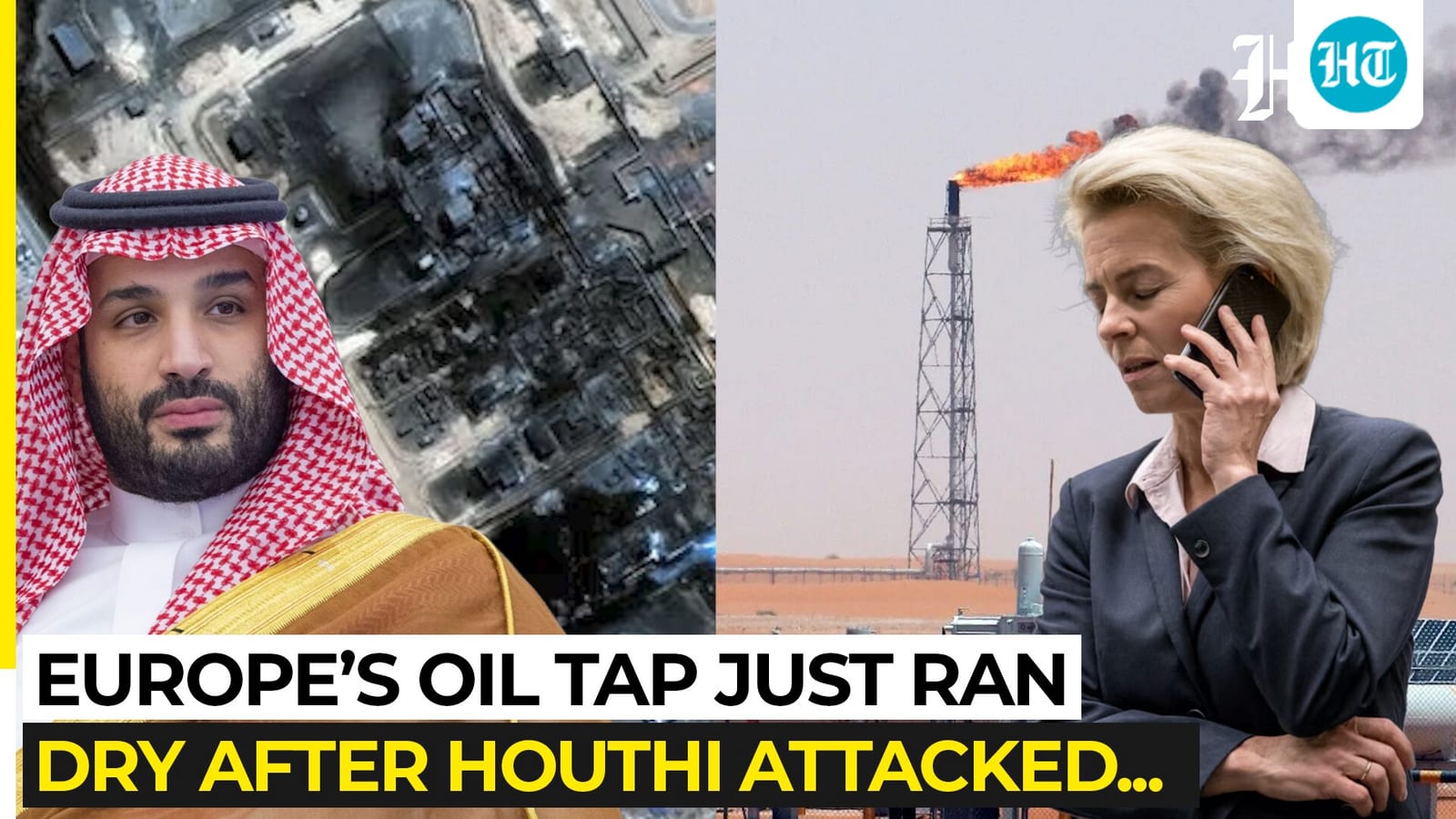
A drone strike on Saudi Arabia's East-West pipeline has halted crude shipments to Europe, exacerbating a global energy crisis. With oil prices near $100 and strategic reserves at historic lows, the market faces severe supply shocks.
The Resurgence of the Global Energy Crisis
The global energy landscape is currently grappling with a severe supply shock following a targeted drone attack on Saudi Arabia’s critical East-West pipeline. This infrastructure, vital for bypassing the volatile Strait of Hormuz, has been forced into a total shutdown. Saudi Aramco has informed European term customers that no crude allocations will be available for the coming month, a move that threatens to destabilize an energy market already strained by seven months of conflict in the Middle East.
The Vulnerability of Global Supply Chains
For months, the global oil market has been operating without the traditional buffers that once shielded it from regional instability. The closure of the Strait of Hormuz to tanker traffic in March effectively drained the 'oil on water' supply, while aggressive stock releases led by the International Energy Agency (IEA) have left strategic inventories—including the U.S. Strategic Petroleum Reserve—at their lowest levels since the early 1980s. The current disruption to the Saudi pipeline removes one of the few remaining reliable arteries for European energy security, which relied on approximately 577,000 barrels per day from Saudi Arabia as of June.
Economic Pressures and Inflationary Risks
As supply constraints tighten, global oil prices have hovered near the $100 per barrel mark. This price surge is manifesting in record-high fuel costs, with diesel prices reaching an unprecedented $6.39 per gallon nationally, and even higher in regions like California. Market analysts are increasingly concerned that this 'hot mess' in the oil sector will force political intervention. Speculation is mounting that the current administration might consider an export fuel ban ahead of the mid-term elections to artificially lower domestic prices, a move that could have profound ripple effects on global trade and diplomatic relations.
Geopolitical Realignment and the Role of China
The crisis has prompted a significant shift in diplomatic maneuvering. Riyadh is reportedly seeking Beijing’s intervention to exert pressure on the Houthis, who are suspected of executing the drone strikes. Whether Chinese leadership can effectively leverage its relationship with regional actors to reopen the Saudi oil lifeline remains a pivotal question. The outcome of these diplomatic efforts will likely dictate whether the energy crisis deepens or stabilizes in the coming quarter.
Future Trends and Market Outlook
Looking ahead, the combination of depleted reserves and persistent regional conflict suggests that the era of cheap, readily available energy is currently on hold. Refiners, such as Poland's Orlen, are already scrambling for alternative suppliers, signaling a broader scramble for energy independence. If the conflict remains unresolved, the global economy faces a prolonged period of energy volatility, characterized by high input costs for manufacturers and significant inflationary pressures on consumers. The reliance on fragile pipeline infrastructure, now proven susceptible to drone warfare, will likely force a re-evaluation of energy security strategies worldwide.
Multiple Citing Sources
Verification Required?