Expert Explains | How a naval mutiny hastened India’s independence
Source Entity
Abhinav Chakraborty
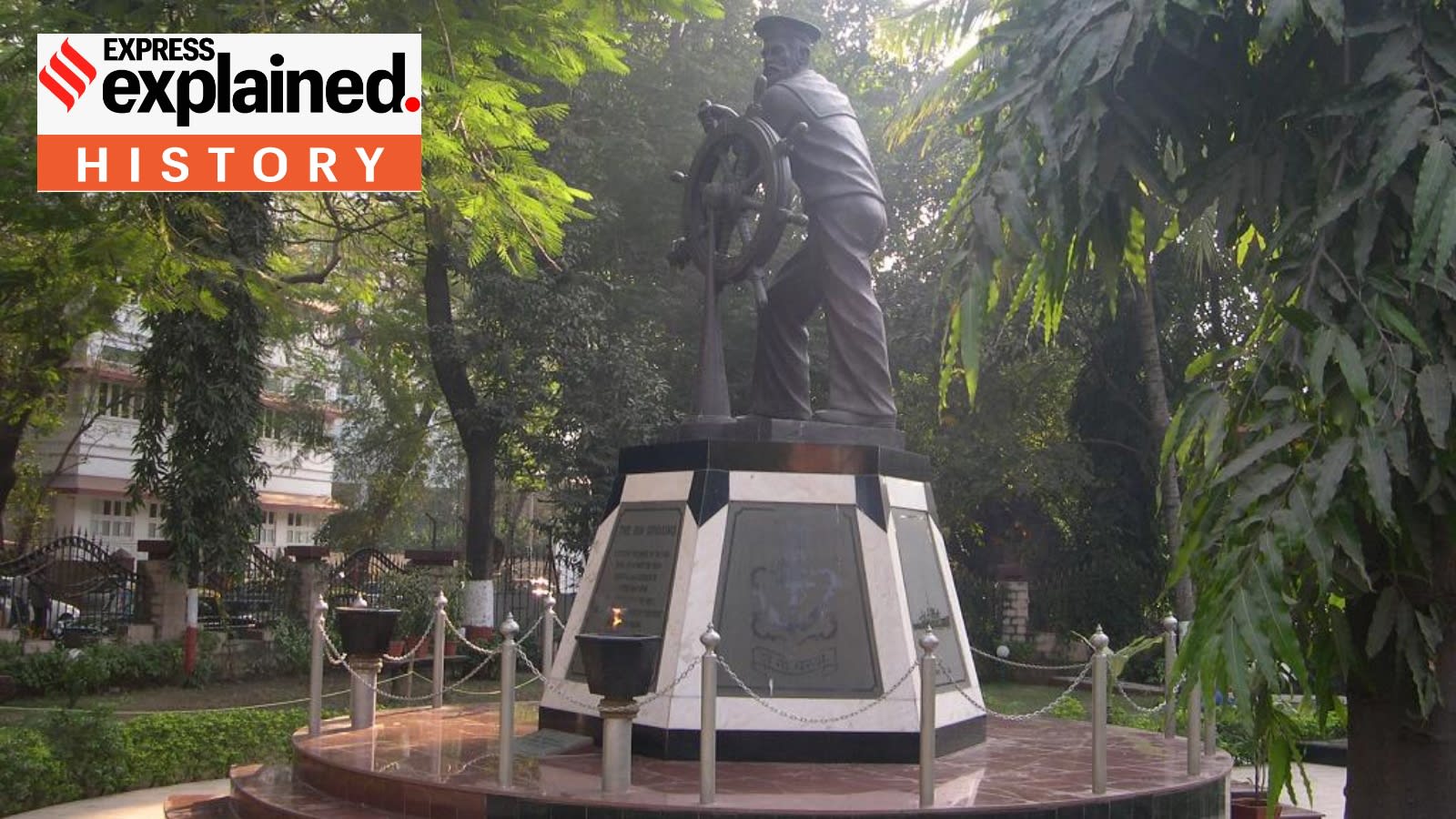
As India reflects on its journey to sovereignty, stories from the Quit India Movement and the complexities of the 1947 partition highlight the nation's fragile birth. These historical accounts underscore the immense sacrifices made by individuals and the immense political challenges faced during the integration of princely states.
The Echoes of 1942: A Living Legacy of the Quit India Movement
The narrative of Indian independence is often viewed through the lens of high-level diplomacy and grand political maneuvers. However, the true heartbeat of the movement resided in the spontaneous actions of the youth, such as YC Revanna. At age 15, Revanna’s decision to abandon his classroom in 1942 to join the Quit India movement exemplifies the era’s patriotic fervor. This act of civil disobedience was not an isolated incident but a reflection of a collective consciousness fostered by visionary leaders like Devaraj Urs and MN Jois, who instilled in the youth the transformative power of self-governance.
The Absence of the Mahatma: A Study in Moral Responsibility
While the national capital, Delhi, was consumed by the celebratory fervor of August 15, 1947, the Father of the Nation was conspicuously absent. Mahatma Gandhi’s decision to remain in Calcutta, far from the official swearing-in of Lord Louis Mountbatten, speaks volumes about his priorities. Rather than celebrating the formal transfer of power, Gandhi was preoccupied with the communal strife that threatened the very fabric of the newly birthed nation. His absence serves as a poignant reminder that for the architects of Indian independence, the achievement of freedom was inextricably linked to the moral obligation of maintaining national unity.
The Architectural Challenge of Integration
Independence brought with it the monumental task of consolidating a fractured landscape. The departure of the British left behind over 500 princely states, each possessing varying degrees of autonomy and political ambition. The transition from colonial rule to a unified republic required more than just the declaration of freedom; it necessitated the complex diplomatic and political integration of these disparate chiefdoms. This period remains a testament to the foresight required to stitch together a coherent nation from a fragmented past.
Princely States and the Sovereignty Dilemma
The integration of states like Hyderabad and the challenges faced in regions like Kashmir highlight the precarious nature of India’s early sovereignty. The British policy of semi-autonomy had created a landscape where the post-colonial government had to navigate delicate negotiations to ensure territorial integrity. The reluctance of several princely states to join the union underscores that the "dream" of independence was not universally shared by the ruling elites of these territories, presenting a significant hurdle to post-1947 stability.
Bridging Generations and Sustaining Democracy
The connection between a 99-year-old freedom fighter like Revanna and the modern generation of Gen Z is vital for the preservation of historical memory. As the firsthand witnesses of the struggle for independence diminish in number, the duty falls to the youth to recognize that the freedoms enjoyed today were bought with the sacrifices of those who jumped out of school windows to challenge an empire. The "movements for the nation's good" that Revanna advocates for remain relevant, suggesting that the spirit of active, engaged citizenship is the true foundation of a thriving democracy.
Conclusion: Reflecting on the Price of Freedom
In conclusion, the history of India’s independence is a multifaceted narrative of individual bravery, moral introspection by leadership, and the immense logistical challenges of nation-building. By analyzing the experiences of those who witnessed the Quit India movement alongside the geopolitical complexities of 1947, we gain a deeper appreciation for the resilience required to build a nation. Understanding these historical roots is essential for current and future generations to address the ongoing challenges of unity and progress in a modern context.
Multiple Citing Sources