Iran may have hit more than US bases: Has Mojtaba forced Trump's Navy to reroute everything?
Source Entity
Latest News: Todays Latest News Headlines from India & World | Hindustan Times | Hindustan Times
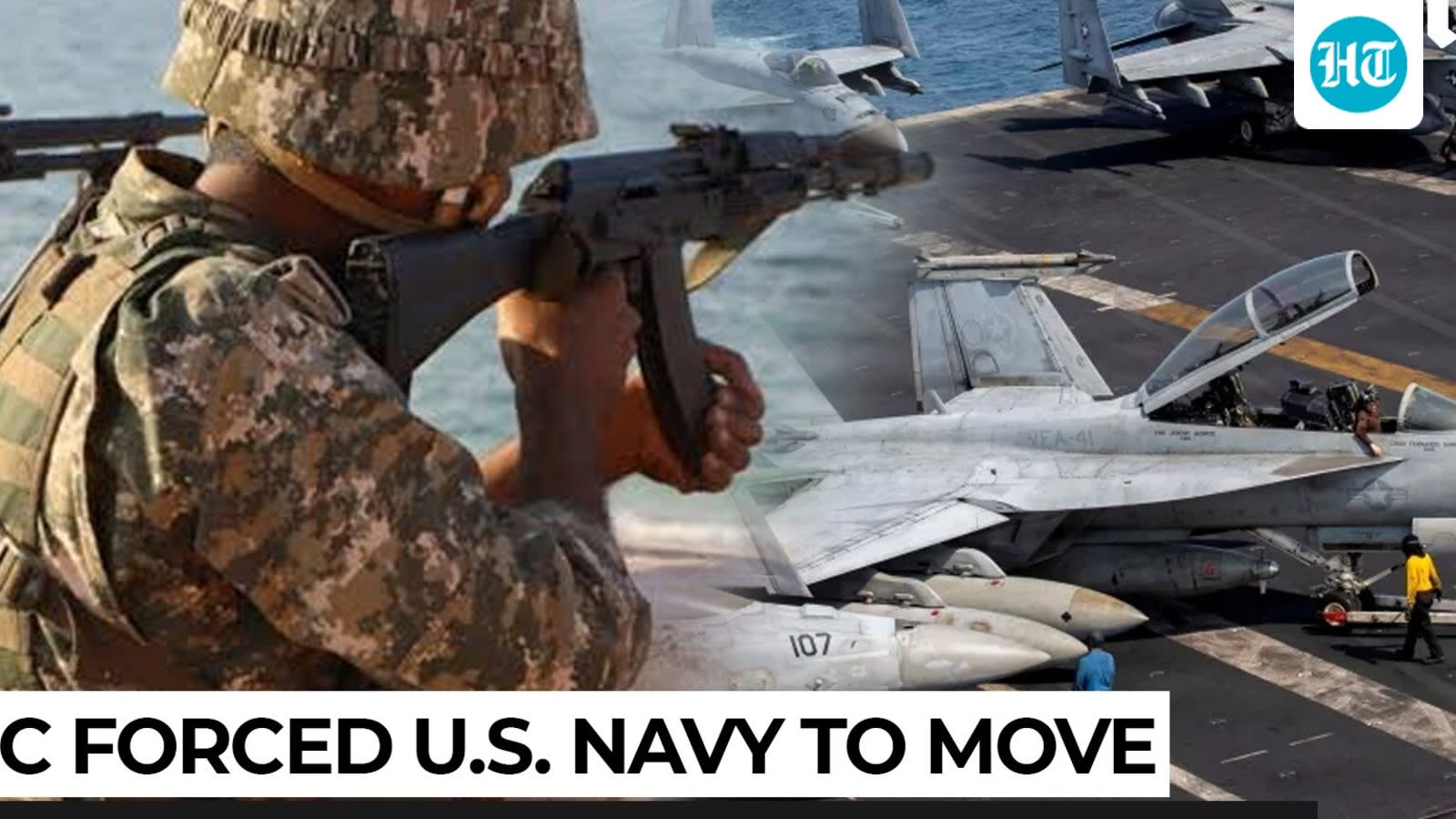
The USS Abraham Lincoln is concluding a grueling 266-day deployment in the Middle East amid regional tensions. While the Navy maintains the mission was successful, concerns persist regarding sailor welfare and the strategic impact of shifting carrier assets.
The Strategic and Human Toll of the USS Abraham Lincoln Deployment
The USS Abraham Lincoln is set to conclude an arduous 266-day deployment, marking the end of one of the most demanding operational cycles for a U.S. aircraft carrier in recent history. Operating within the volatile theater of the Middle East, the vessel has been a cornerstone of American military posture against Iran, tasked with maintaining stability in a region defined by heightened geopolitical friction. This extended presence reflects the immense pressure placed on the U.S. Navy’s carrier strike groups to project power in multiple theaters simultaneously.
Operational Pressures and Strategic Shifts
The return of the Lincoln comes at a critical juncture for U.S. maritime strategy. Recent reports indicate that the U.S. pulled its last aircraft carrier from the western Pacific to bolster operations in the Middle East, effectively creating a temporary power vacuum in the Pacific. This tactical pivot underscores the difficulty of managing competing security priorities, as China continues to increase its military activity in the region. The decision to prioritize the Iranian front highlights the acute nature of the current conflict and the finite limits of U.S. naval capacity.
The Debate Over Sailor Welfare
Beyond the strategic maneuvers, the deployment has ignited a contentious debate regarding the welfare of the roughly 5,000 sailors and Marines aboard the carrier. The prolonged nature of the mission has led to widespread reports of mental health struggles and supply deficiencies. While Acting Navy Secretary Hung Cao has publicly minimized these concerns, labeling the allegations as overstated and insisting the crew "crushed" their mission, the disparity between official narratives and reports from the deck plates remains a point of significant scrutiny.
The Limits of Force Projection
The logistical reality of sustaining carrier operations for over eight months illustrates the strain on both personnel and hardware. Extended deployments, such as this 266-day stint, push the limits of naval readiness and maintenance schedules. The transition of responsibility to the USS George Washington, which is set to assume the Lincoln’s duties, serves as a reminder that these vessels are the primary instruments of American global influence, yet they are increasingly hampered by the physical and psychological toll on their crews.
Future Implications for Naval Policy
As the Lincoln returns home, the U.S. Navy faces a complex challenge: how to maintain a credible deterrent in the Middle East without compromising the readiness of its fleet or the well-being of its sailors. The criticism surrounding this deployment is likely to spur further congressional oversight into the sustainability of such long-duration missions. Moving forward, the Pentagon must reconcile its ambitious strategic goals with the harsh reality of its current resource constraints, ensuring that the burden of global security does not break the very forces tasked with maintaining it.
Verification Required?