How an exclusive gated residential society in Aundh has roots in Partition
Source Entity
Dipanita Nath
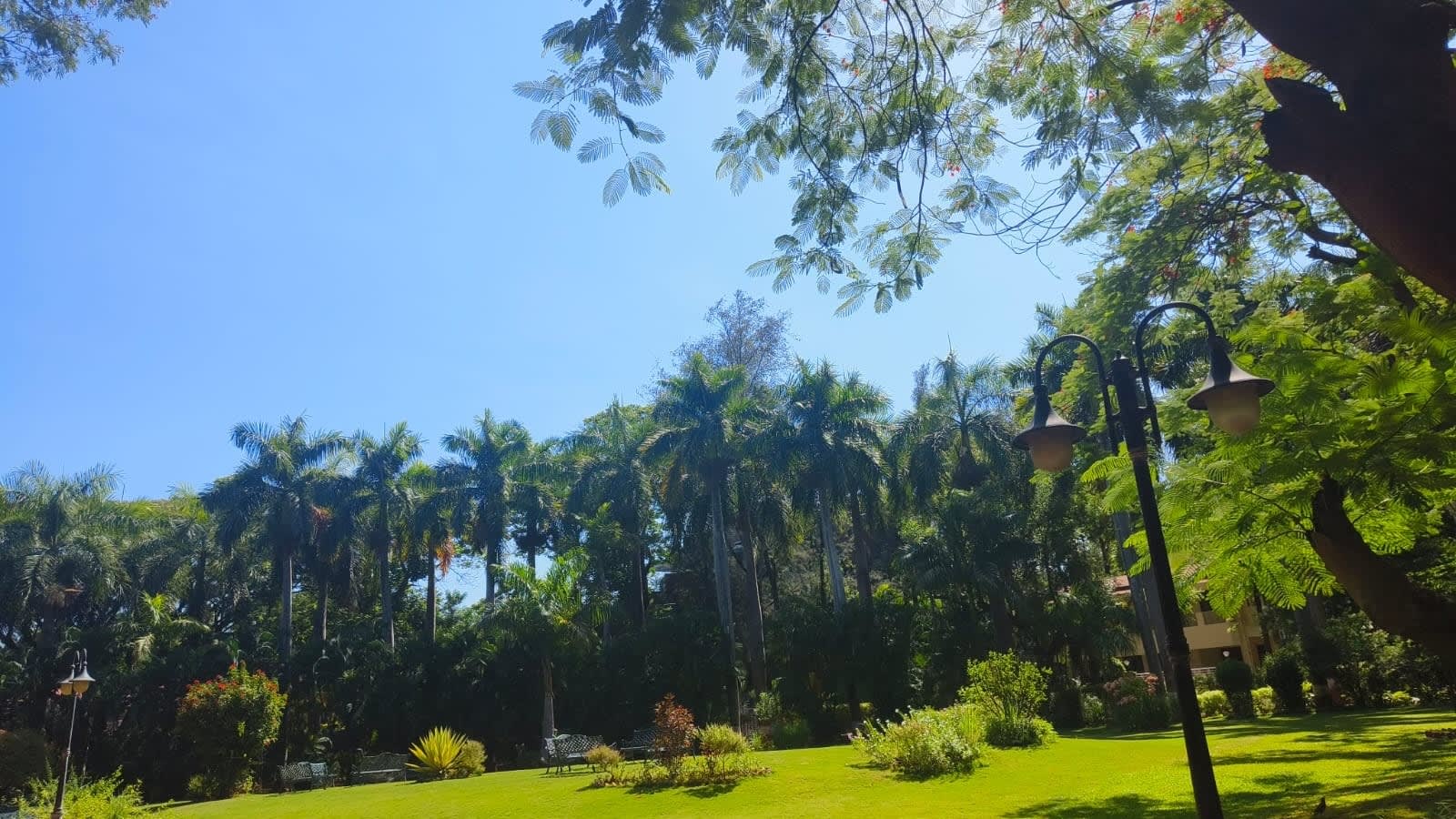
Sindh Society in Aundh, Pune, stands as a testament to the resilience of the Sindhi community following the 1947 Partition. The gated community, originally established on 125 acres, serves as a historical reminder of how displaced families rebuilt their lives.
The Legacy of Sindh Society: A Post-Partition Landmark
Origins of a Resilient Community
Sindh Society, located in the Aundh area of Pune, represents far more than just an exclusive residential enclave; it is a physical manifestation of the resilience of the Sindhi community post-1947. Following the Partition of India, many Sindhi families were forced to leave their ancestral homes, arriving in India with little but their determination to start anew. The establishment of this society, also known as Sadhu Vaswani Nagar, served as a vital anchor for these displaced individuals, providing the infrastructure necessary to re-establish their lives and communal identity in a foreign, yet welcoming, environment.
Addressing Historical Misconceptions
Recent public discourse, sparked by writer Saaz Aggarwal, has highlighted the importance of documenting this history accurately. A common, often misinformed, narrative suggests that the land for Sindh Society was provided to the community for free by the government. However, such claims often oversimplify the complex process of resettlement and land acquisition that defined the post-Partition era. By investigating these claims, researchers like Aggarwal aim to peel back the layers of local mythology to reveal the actual, often arduous, efforts involved in securing and developing these 125 acres along Baner Road.
The Architecture of Rebirth
Spread across 125 acres, the society’s layout—defined by tree-lined roads and deliberate bungalow plots—reflects the vision of a community attempting to recreate a sense of stability. The methodical planning, which included the construction of roads and the installation of essential water pipelines, signals a transition from the trauma of displacement to the permanence of homeownership. These physical attributes are not merely aesthetic choices; they are historical markers of a community that invested heavily in its future despite the uncertainty of the period.
Broader Implications for Urban History
As one of the largest gated residential communities in western India, Sindh Society offers a unique case study in urban development. It illustrates how migration patterns directly shape the topography and social fabric of modern Indian cities. The evolution of Aundh from a quiet periphery to a bustling residential hub is inextricably linked to the arrival and integration of the Sindhi community, whose presence helped define the socio-economic trajectory of the region.
Preserving the Collective Memory
Ultimately, the history of Sindh Society serves as a reminder of the necessity to preserve narratives that might otherwise be lost to time. As the generations that experienced the Partition firsthand dwindle, the importance of documenting the origins of such societies becomes paramount. By anchoring the identity of the society in its historical context—rather than relying on anecdotal myths—we gain a deeper appreciation for the multifaceted struggle and success of the Sindhi diaspora in Pune.