Freak oil heist in Rajasthan: 8 thieves puncture pipeline to steal 20 tonnes of crude
Source Entity
Latest News: Todays Latest News Headlines from India & World | Hindustan Times | Hindustan Times
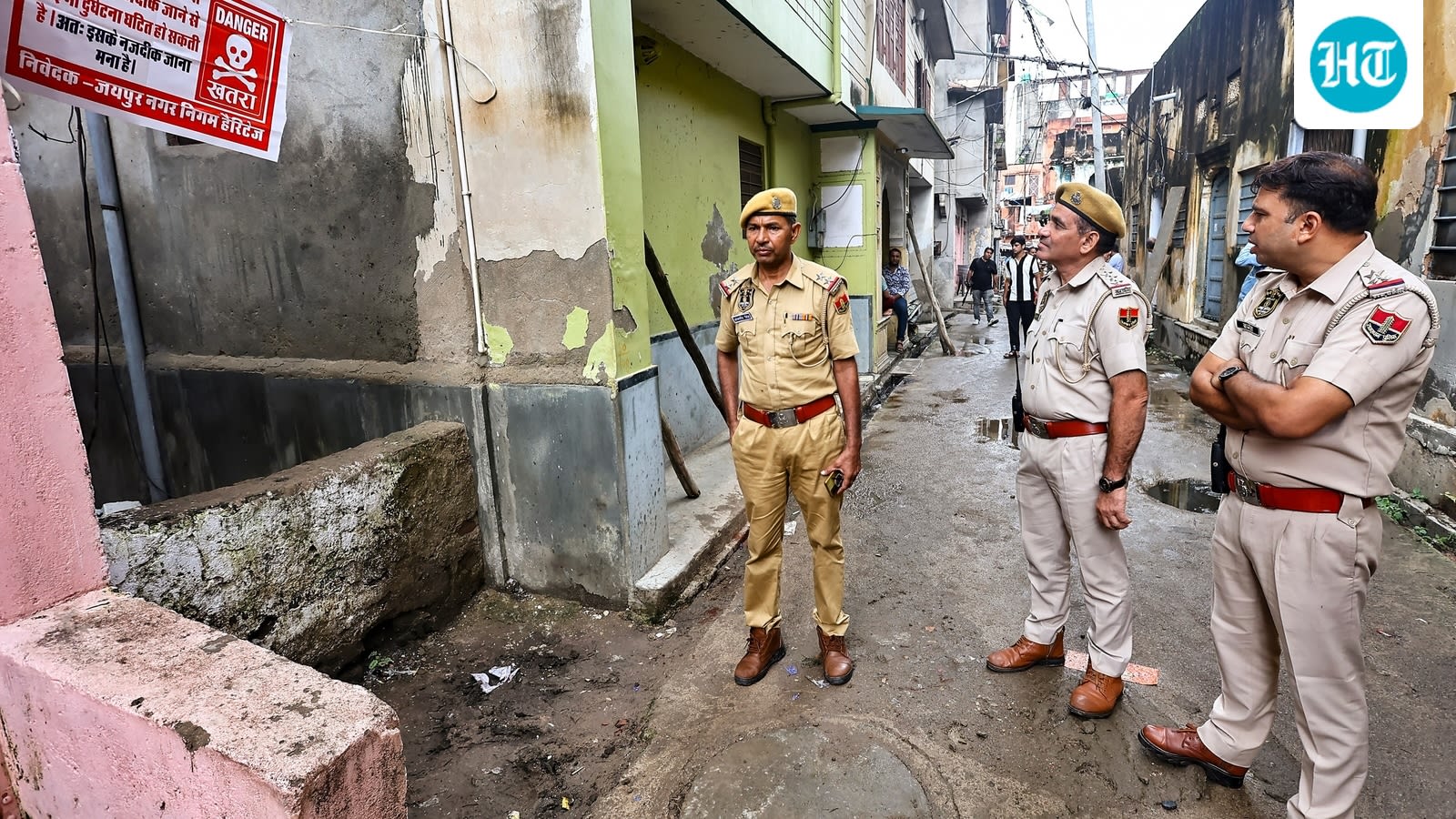
Eight individuals were arrested for stealing 20 tonnes of crude oil by puncturing an HPCL pipeline in Rajasthan. The syndicate was dismantled by the Gujarat ATS following an investigation into illegal oil sales on the Ahmedabad-Rajkot highway.
The Anatomy of an Unprecedented Pipeline Heist
A recent criminal operation in Rajasthan has shocked authorities as eight individuals were apprehended for the illicit extraction of 20 tonnes of crude oil from a high-pressure HPCL pipeline. This incident, which highlights significant vulnerabilities in critical national infrastructure, was brought to light following a coordinated effort between the Gujarat Anti-Terrorism Squad (ATS) and local Rajasthan police forces. The scale of the theft—quantified at 20 tonnes—suggests a level of logistical planning that transcends typical petty criminal behavior.
Investigating the Syndicate
The breakthrough in this investigation occurred when the Gujarat ATS received intelligence regarding suspicious individuals attempting to offload crude oil along the Ahmedabad-Rajkot highway. By interrogating a suspect apprehended near Sokhda village in the Rajkot district, investigators were able to unravel the broader criminal syndicate. This process of 'grilling' the primary contact proved essential in linking the transit of stolen goods on the highway back to the physical puncture site located in the Balotra district of Rajasthan.
The Mechanics of the Breach
Targeting an HPCL (Hindustan Petroleum Corporation Limited) pipeline requires not only specialized tools but also a dangerous disregard for safety protocols. Puncturing high-pressure pipelines is inherently risky, posing severe environmental hazards and the potential for explosive disasters. The fact that this group managed to siphon 20 tonnes of crude indicates they had developed a method for unauthorized access, likely involving clandestine valves or industrial-grade drilling equipment designed to bypass security monitoring systems.
From Petty Theft to Organized Crime
While the perpetrators reportedly had a history of petty thefts, this operation represents a significant escalation in their criminal sophistication. The transition from minor larceny to the industrial-scale theft of state-regulated energy resources often points to an organized demand-supply chain. In this case, the suspects were attempting to liquidate their stolen assets on the black market, which implies that there may be a network of buyers willing to purchase unrefined, stolen crude oil.
Broader Implications for National Security
This incident serves as a stark reminder of the challenges involved in securing thousands of kilometers of pipeline infrastructure. Such assets are often located in remote or semi-arid regions, making them difficult to patrol effectively. The involvement of the Gujarat ATS underscores the gravity of the situation; when criminal activity moves from local theft to the compromise of energy infrastructure, it is treated as a matter of significant economic and public security.
Future Trends and Preventive Measures
Looking forward, utility providers like HPCL will likely need to intensify their surveillance measures, potentially incorporating advanced sensor technology to detect pressure drops and unauthorized physical contact in real-time. The success of this operation by the Gujarat ATS highlights the necessity of inter-state intelligence sharing. As energy prices fluctuate, the incentive for such 'freak' heists may increase, necessitating a more robust, technology-driven approach to pipeline security to prevent future environmental and economic damages.
Verification Required?