Twenty-two more bodies recovered after Zimbabwe boat accident
Source Entity
Nadeem Badshah
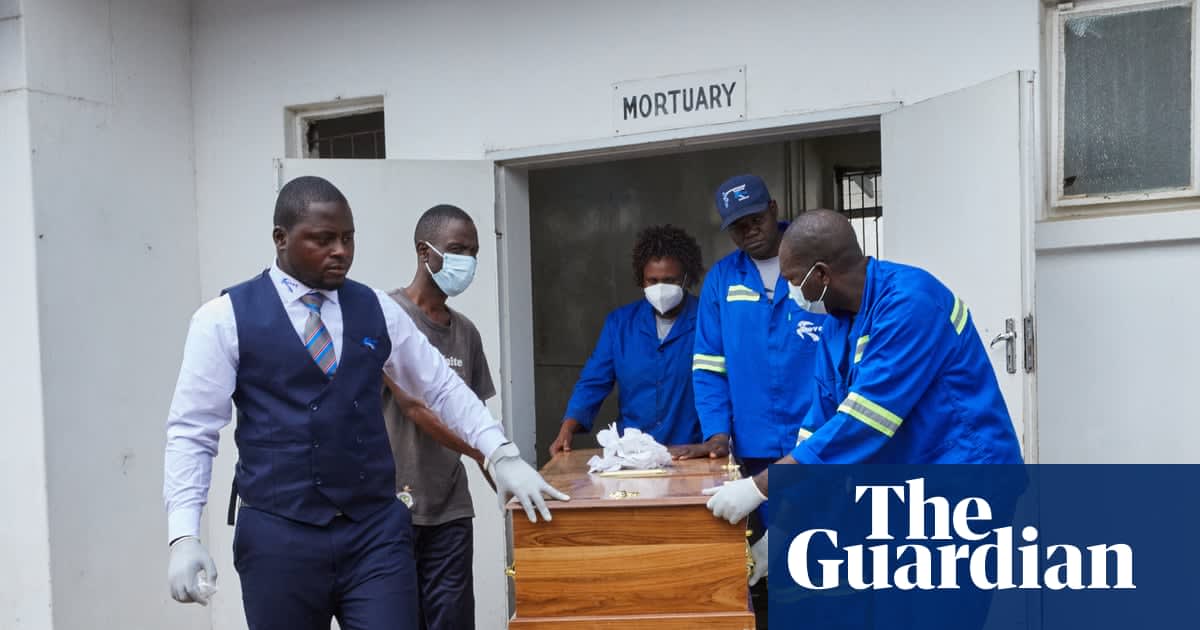
A ferry accident on Lake Kariba in Zimbabwe has resulted in at least 72 deaths after the vessel capsized due to overloading and heavy winds. The tragedy, involving a government-operated boat, has prompted an investigation into safety protocols and vessel capacity.
Tragedy on Lake Kariba: A Deep Analysis
The capsizing of a government-operated ferry on Lake Kariba has emerged as a harrowing disaster for Zimbabwe, with the death toll climbing to 72 as rescue operations continue. The vessel, managed by the Rural Infrastructure Development Agency (RIDA), succumbed to environmental challenges and systemic operational failures, marking what is widely considered the deadliest maritime accident in the nation's history.
The Mechanics of the Disaster
Investigations into the incident suggest a lethal combination of human error and adverse weather conditions. Reports indicate that the ferry was operating in choppy waters during heavy winds on Tuesday, which proved catastrophic for a vessel already compromised by severe overloading. While the ferry was officially authorized to carry only 90 passengers, it was carrying 114 adults, five crew members, and an unspecified number of children, far exceeding its safety capacity.
Victims and Community Impact
Lake Kariba, which straddles the border between Zimbabwe and Zambia, serves as a vital artery for local commerce and transportation. The victims were primarily villagers and fish traders who relied on these vessels for their daily livelihoods. The inclusion of 18 children in the death count underscores the profound human toll of this tragedy, leaving local communities devastated and raising urgent questions about the safety of regional water transport.
Regulatory and Operational Failures
This disaster highlights significant concerns regarding the oversight of state-run infrastructure. Given that the vessel was operated by the Rural Infrastructure Development Agency, the government faces intense scrutiny over why the boat was permitted to depart while significantly over capacity. The reliance on such vessels by rural populations necessitates a rigorous audit of maritime safety standards, maintenance schedules, and loading procedures to prevent a recurrence of such a preventable catastrophe.
Broader Implications and Future Trends
Moving forward, the Zimbabwean government will likely face pressure to implement stricter maritime regulations and enhance search-and-rescue capabilities in the Kariba region. Future trends will likely involve mandatory safety training for operators and the potential phase-out of aging infrastructure that cannot handle the demands of the region. As the investigation continues, the focus remains on the recovery of the remaining victims and the long-term accountability of those responsible for the vessel's manifest and safety protocols.