Oil Majors Reap $93 Billion Windfall From the Iran War
Source Entity
Yahoo Finance
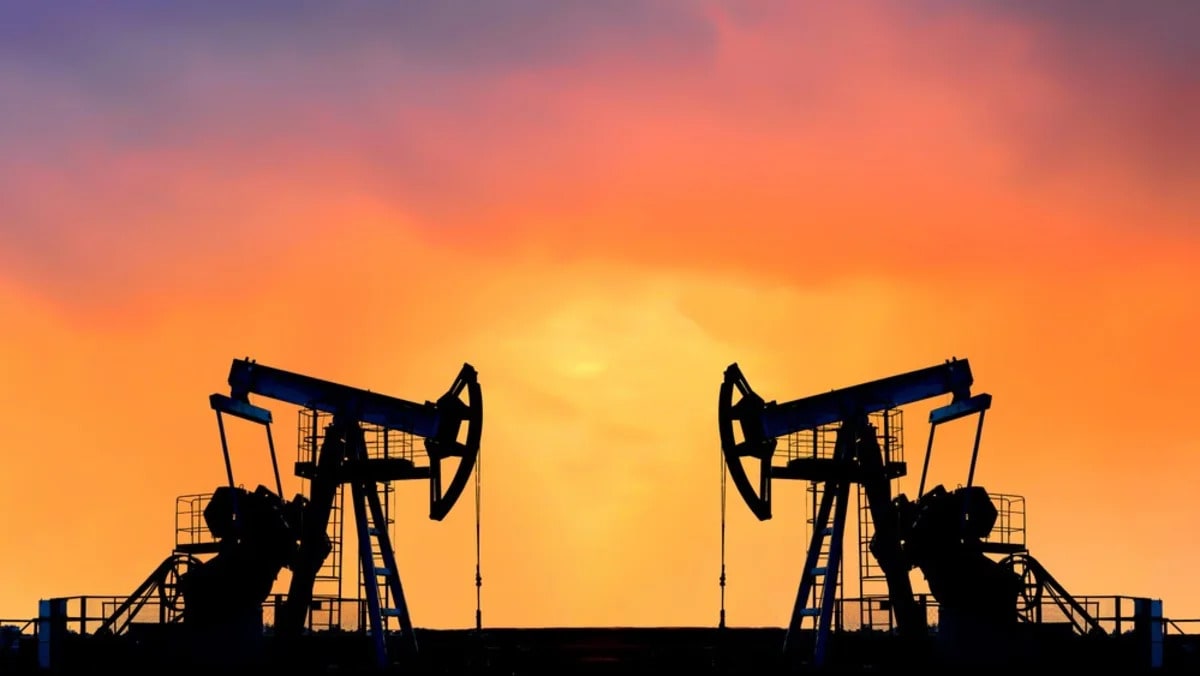
Oil majors have recorded $93 billion in quarterly profits as the closure of the Strait of Hormuz disrupts global energy supplies. Ongoing conflict between the U.S. and Iran continues to stall diplomatic efforts, keeping energy prices volatile.
The Geopolitical Roots of the Energy Windfall
The global energy landscape is currently defined by the volatile closure of the Strait of Hormuz, a critical maritime chokepoint that facilitates a significant portion of the world's oil transit between the Middle East, Asia, and Europe. This closure, triggered by the ongoing conflict involving the United States, Israel, and Iran, has effectively throttled energy supply lines, leading to an immediate and sharp surge in global crude prices. The resulting supply constraints have served as an unintended catalyst for record-breaking financial performance among the world's largest energy corporations.
Financial Gains Amidst Regional Instability
Data indicates that eight of the largest oil firms have collectively reaped over $93 billion in profits during the second quarter alone, spanning April to June. This windfall is a direct consequence of the market's reaction to the U.S.-Israeli military actions against Iran and the subsequent retaliatory closure of the Strait of Hormuz. As shipping activity through this corridor has plummeted, oil majors have seized the opportunity to ramp up production elsewhere, effectively capitalizing on the scarcity created by the regional instability.
The Security Impact on Energy Infrastructure
The vulnerability of energy infrastructure has been laid bare by recent kinetic actions in the region. Attacks on tankers operated by the Abu Dhabi National Oil Company and targeted strikes on Saudi Aramco refineries have compounded the supply shocks caused by the Strait's closure. These incidents have not only pushed Brent and WTI crude benchmarks higher but have also created a climate of sustained market anxiety, where even minor fluctuations in diplomatic rhetoric lead to significant price volatility.
Diplomatic Deadlock and Market Outlook
Despite the economic urgency to reopen the Strait, diplomatic channels between Tehran and Washington remain largely frozen. Iranian Foreign Minister Abbas Araqchi has indicated a lack of progress in negotiations, signaling that the current state of maritime disruption is likely to persist. As long as these peace talks remain stalled, the market expects supply-side pressures to continue, providing a sustained tailwind for oil and gas company earnings.
Future Trends and Global Implications
The intersection of military conflict and energy markets suggests a long-term trend of instability that could redefine global trade patterns. If the Strait of Hormuz remains restricted, nations heavily dependent on Middle Eastern oil will be forced to accelerate their energy diversification efforts or face persistent inflationary pressures. For investors and policymakers alike, the current situation serves as a stark reminder of how deeply interconnected geopolitical security and global energy prices have become in the 21st century.