Ukrainian strikes kill six in Russia, acting governor says
Source Entity
BBC News
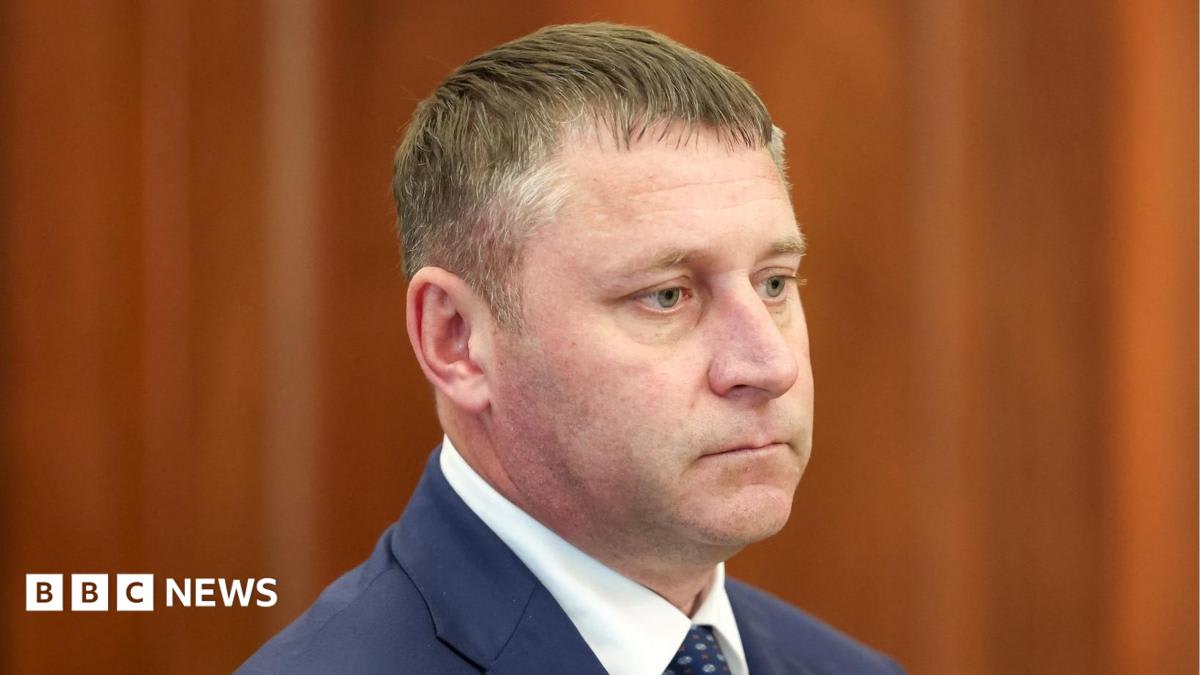
Ukrainian missile strikes in Russia's Belgorod region have resulted in six deaths and four injuries, including a 14-year-old child. This escalation follows a massive cross-border exchange of fire that caused significant casualties on both sides of the conflict.
Escalation of Cross-Border Hostilities
The recent reports from the Belgorod region mark a significant escalation in the ongoing conflict between Ukraine and Russia. According to the acting governor, Alexander Shuvaev, overnight missile strikes resulted in the tragic death of six individuals and left four others injured. Among those harmed was a 14-year-old child, who required hospitalization, highlighting the severe toll this intensification of hostilities is taking on non-combatants residing in border-adjacent zones.
Impact on the Valuysky District
The physical destruction reported in the village of Koloskovo, located in the Valuysky district, underscores the proximity of this conflict to the border. The strikes caused structural damage to buildings and destroyed vehicles, serving as a grim reminder of the vulnerability of border regions. As these areas become increasingly militarized, the civilian infrastructure is frequently caught in the crossfire, leading to localized displacement and persistent fear among the remaining population.
The Pattern of Retaliatory Strikes
This incident does not occur in isolation but follows what officials characterized as the "largest-scale" attack launched by Ukraine this year. The preceding night saw a significant exchange of fire, which resulted in at least seven deaths on the Russian side. This rapid succession of strikes suggests a shift toward more intensive, high-frequency aerial engagements, moving beyond traditional front-line skirmishes into deeper territorial incursions.
Reciprocity in Casualties
The conflict remains characterized by a cycle of violence, as evidenced by the concurrent Russian attacks on Ukraine, which claimed at least seven lives and left over 39 injured on the same night. This reciprocal nature of the violence highlights the difficulty of achieving a de-escalation. Both nations are currently engaged in a strategy of attrition, where the targeting of rear-area infrastructure and border regions is used to exert psychological and military pressure on the opposing side.
Broader Strategic Implications
Looking ahead, the targeting of regions like Belgorod complicates the security landscape for Moscow, forcing the reallocation of defensive assets to protect its own borders. Conversely, for Ukraine, these strikes serve as a demonstration of reach and resolve despite significant resource constraints. The continued involvement of civilian populations in these strikes suggests that the conflict is moving toward a prolonged phase of instability, where border territories remain high-risk zones.
Concluding Summary
In conclusion, the situation in Belgorod reflects the volatile nature of the current conflict. With the death toll rising and civilian casualties—including minors—becoming a recurring feature of these cross-border strikes, the humanitarian consequences are severe. The inability of either party to establish a secure buffer zone indicates that these patterns of destruction are likely to continue, further entrenching the hostilities as both sides remain locked in a destructive cycle of attack and counter-attack.