Reform UK can’t stop talking about the burqa
Source Entity
Latest News: Todays Latest News Headlines from India & World | Hindustan Times
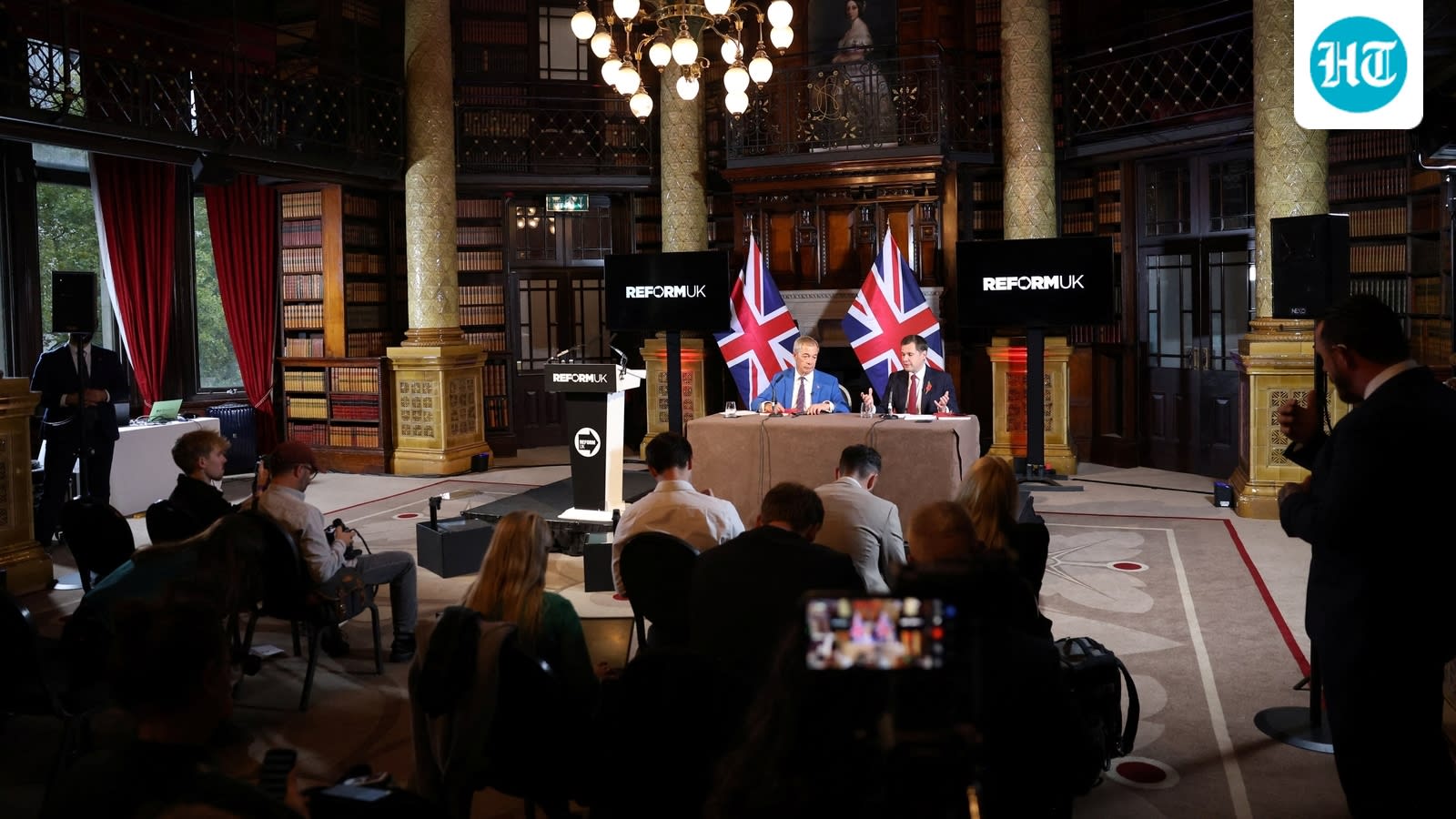
Reform UK, led by Nigel Farage, has established a significant parliamentary presence in Scotland and Wales while maintaining competitive national polling. Despite internal rhetoric regarding the burqa, the party is positioning itself as a primary challenger to traditional British political power structures.
The Rise of Reform UK: Navigating Electoral Realignment
Nigel Farage’s Reform UK party has evolved from a fringe political movement into a significant force within the United Kingdom’s parliamentary landscape. Despite common characterizations of Farage as a strictly English nationalist, the party’s performance in the May elections demonstrated a broad geographic appeal. By securing substantial gains in both Scotland and Wales, Reform UK has effectively transcended its regional roots to become a genuine nationwide contender.
Parliamentary Influence and Strategic Positioning
In the Welsh Senedd, Reform UK’s current standing is particularly noteworthy, holding one in three seats and establishing itself as the second-largest party. Similarly, their third-place status in Scotland indicates a shifting political climate where traditional party loyalties are being challenged. This expansion suggests that the party’s platform is resonating with voters beyond the English heartlands, signaling a deeper realignment in how British citizens engage with populist-leaning political entities.
The Role of Rhetoric and Policy Focus
Central to the public discourse surrounding Reform UK is their focus on cultural and social issues, specifically the recurring debates concerning the burqa. While critics often highlight this rhetoric as a defining feature of the party's identity, the internal operations of their parliamentarians are described as surprisingly conventional. This dichotomy creates a complex public image: a party that balances polarizing social commentary with a pragmatic approach to parliamentary procedure and opposition strategies.
National Polling and Future Electoral Prospects
Although Reform UK has experienced a slight decline in polling numbers since their May peak, their ability to remain tied for second place nationally—level with the Conservatives and trailing only Labour—is a significant achievement in the current political climate. This consistency suggests that the party has moved past the 'protest vote' phase and is now viewed by a substantial portion of the electorate as a viable alternative to the status quo.
Implications for the British Political Landscape
If a general election were held today, the potential for Reform UK to secure dozens or even hundreds of seats could fundamentally alter the composition of the House of Commons. The party’s active role in responding to the fiscal policies of Prime Minister Andy Burnham’s government, as evidenced by Nigel Farage and Robert Jenrick’s recent press conference, underscores their intent to act as a formal, organized opposition. As they continue to navigate the pressures of mainstream parliamentary politics, their ability to balance populist rhetoric with legislative efficacy will likely determine their long-term trajectory in British governance.
Verification Required?