Rejuvenating shrinking tanks in Andhra
Source Entity
India Latest News: Top National Headlines Today & Breaking News | The Hindu
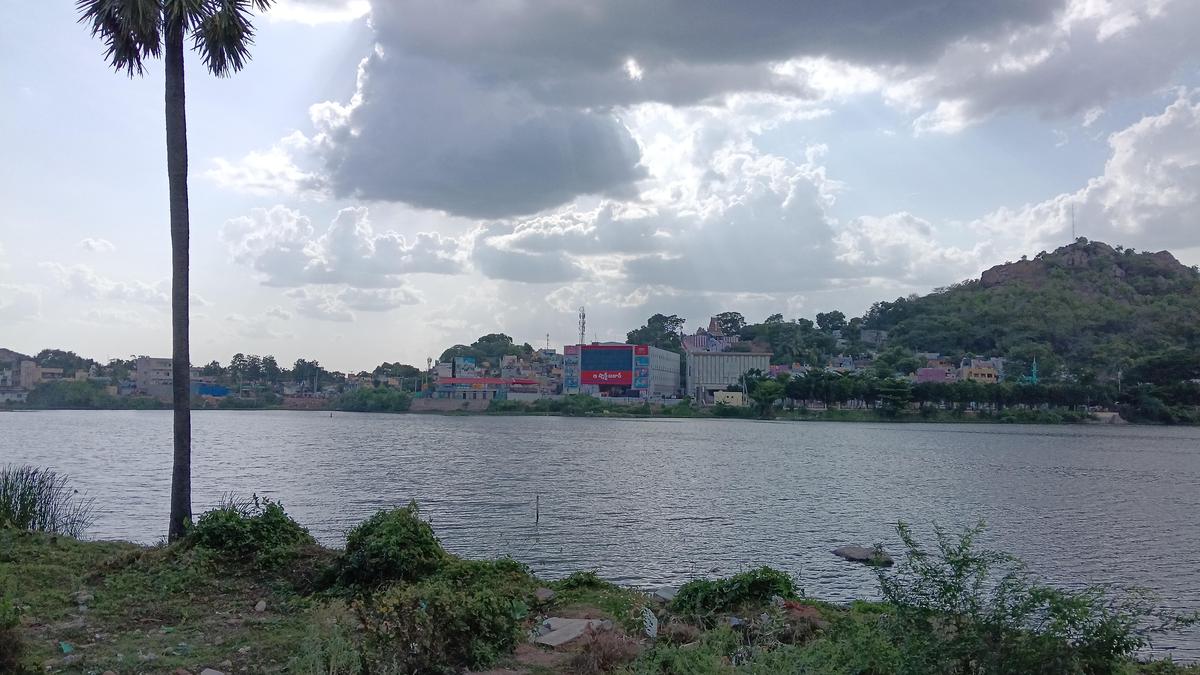
Chittoor district officials are working to restore irrigation tanks plagued by siltation and encroachment. The initiative aims to secure water reliability for farmers increasingly dependent on depleting borewell sources.
The Crisis of Chittoor’s Irrigation Network
In the Chittoor district of Andhra Pradesh, a critical infrastructure challenge is unfolding as the region's traditional water-storage network faces severe degradation. The recent inspections of four irrigation tanks in Gudipala mandal—Bangarappa Cheruvu, Reddamma Cheruvu, Ramireddy Cheruvu, and Narayanareddy Cheruvu—by District Collector Sumit Kumar highlight a systemic failure in water management. These tanks, once the lifeline of local agriculture, are now struggling to hold water, a phenomenon driven by chronic siltation and unauthorized encroachments that have significantly reduced their functional storage capacity.
The Impact of Siltation and Encroachment
The accumulation of silt is a natural process exacerbated by environmental shifts in catchment areas, but when left unmanaged, it permanently alters the hydro-geology of these tanks. As the depth of these reservoirs diminishes, they lose their ability to retain water through the dry seasons, leading to a ripple effect across the agricultural sector. Furthermore, the issue of encroachment—where parts of the tank beds are occupied by non-agricultural or unauthorized activities—further restricts the catchment area, leaving farmers in a precarious position as they watch their primary water sources fail.
Vulnerability in an Era of Climate Uncertainty
For the farming communities of Chittoor, the degradation of these tanks is not merely a logistical problem but an existential threat. Farmers have noted that these tanks previously held water for significantly longer periods, providing a buffer against the erratic rainfall patterns characteristic of the region. With these natural sponges compromised, the agricultural community has been forced to rely heavily on borewells. This reliance on groundwater extraction is inherently unsustainable, as it leads to a dropping water table and increases the vulnerability of small-scale farmers to climate-induced drought.
Administrative Intervention and Oversight
The intervention by District Collector Sumit Kumar represents a necessary administrative response to the grievances voiced by local residents and farmers in May 2025. By personally inspecting these sites, the administration acknowledges the gravity of the situation and the urgent need for desilting operations and the removal of encroachments. This move is essential to reclaim the storage potential of these traditional structures, which are vital to maintaining the ecological and economic balance of the district.
Future Trends and Sustainable Water Management
Moving forward, the rejuvenation of Chittoor’s water bodies will require a multi-faceted approach that goes beyond simple desilting. It will necessitate strict enforcement of land-use regulations to prevent further encroachment and the implementation of watershed management practices to minimize silt inflow from catchment areas. If the administration successfully restores these tanks, it could stabilize the local agricultural economy and reduce the pressure on groundwater resources. However, long-term success depends on continuous monitoring and the integration of community-led conservation efforts to ensure that these tanks remain functional for future generations.
Verification Required?