How musicians are reinventing the centuries-old abhang
Source Entity
India Latest News: Top National Headlines Today & Breaking News | The Hindu
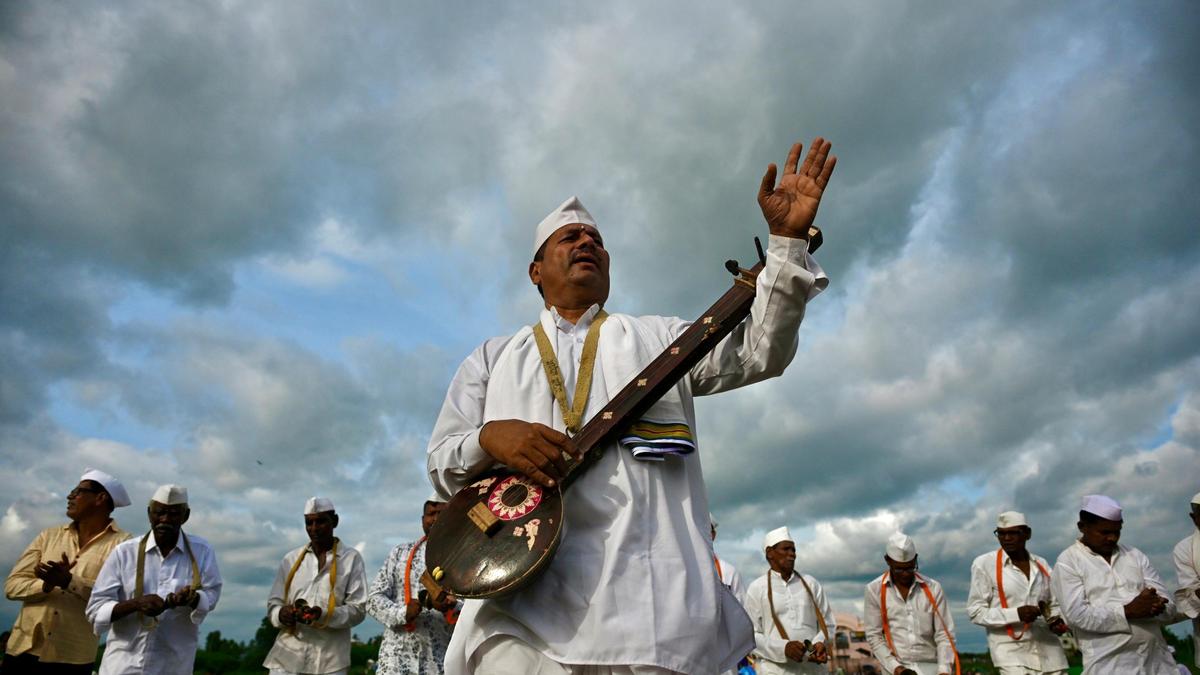
The centuries-old tradition of abhangs is witnessing a contemporary revival, blending deep-rooted spiritual history with modern musical expression. Young audiences and classical artists alike are ensuring these 'unbroken' verses remain a vibrant part of India's cultural landscape.
The Resurgence of Abhang: A Cultural Renaissance
The Sacred Origins of the Unbroken Verse
The term 'abhang', derived from the Marathi language, literally translates to 'unbroken'. These poetic verses, composed by saint-poets like Dnyaneshwar, are dedicated to the worship of Lord Vittala. Historically, the abhang has served as the heartbeat of the Warkari movement, a centuries-old tradition where devotees embark on a 250-kilometer annual pilgrimage to Pandharpur. The imagery of the wari—men in traditional dhotis and Gandhi topis and women in vibrant nauvari saris—carrying instruments like the chipli, mridanga, and ektari, captures the essence of a devotion that has survived the passage of time.
From Yatra Paths to Concert Stages
While the abhang was once confined primarily to the sacred journey of the Warkaris, it has successfully transitioned into the mainstream of Indian classical music. Hindustani vocalist and playback singer Mahesh Kale notes that the genre has cultivated a dedicated following, transforming from a ritualistic practice into a staple of formal classical music concerts. This shift demonstrates the genre's inherent adaptability and its emotional resonance, which transcends the physical boundaries of the pilgrimage route.
The Role of Modern Influence
Prominent figures in the music industry have played a pivotal role in this evolution. It is noted that the title for the late Kishori Amonkar’s abhang concerts was actually suggested by an industry peer, highlighting a collaborative effort to elevate the genre. This professional recognition has helped legitimize the abhang within high-brow musical circles, ensuring that it is treated with the same reverence as other classical forms while retaining its spiritual core.
Youth Engagement and Cultural Continuity
Perhaps the most heartening trend is the influx of young listeners at abhang concerts across India. Mahesh Kale observes that the demographic shift is significant, as younger generations are increasingly drawn to the profundity of these verses. This interest is not merely passive; it reflects a broader desire among youth to reconnect with traditional art forms that offer solace and a sense of identity in an increasingly fast-paced world.
The Scale of Ashadi Ekadashi
Today, the cultural footprint of the abhang is most visible during Ashadi Ekadashi. With over 100 dedicated concerts held annually in cities like Mumbai, the genre has moved beyond the village squares into the urban cultural fabric. This expansion ensures that the 'unbroken' tradition remains intact, preserved by a new generation that honors the saint-poets’ legacy while enjoying the creative interpretations of modern vocalists.
Future Trends and Legacy
The future of the abhang appears secure as it continues to bridge the gap between folk tradition and classical performance. By maintaining its spiritual authenticity while embracing the professional concert structure, the abhang is evolving into a dynamic art form. As long as the warkaris continue their annual yatra and artists continue to reinterpret these verses, the abhang will remain a vital, living component of India’s musical heritage.
Verification Required?