Republicans have been their own worst enemies
Source Entity
Latest News: Todays Latest News Headlines from India & World | Hindustan Times
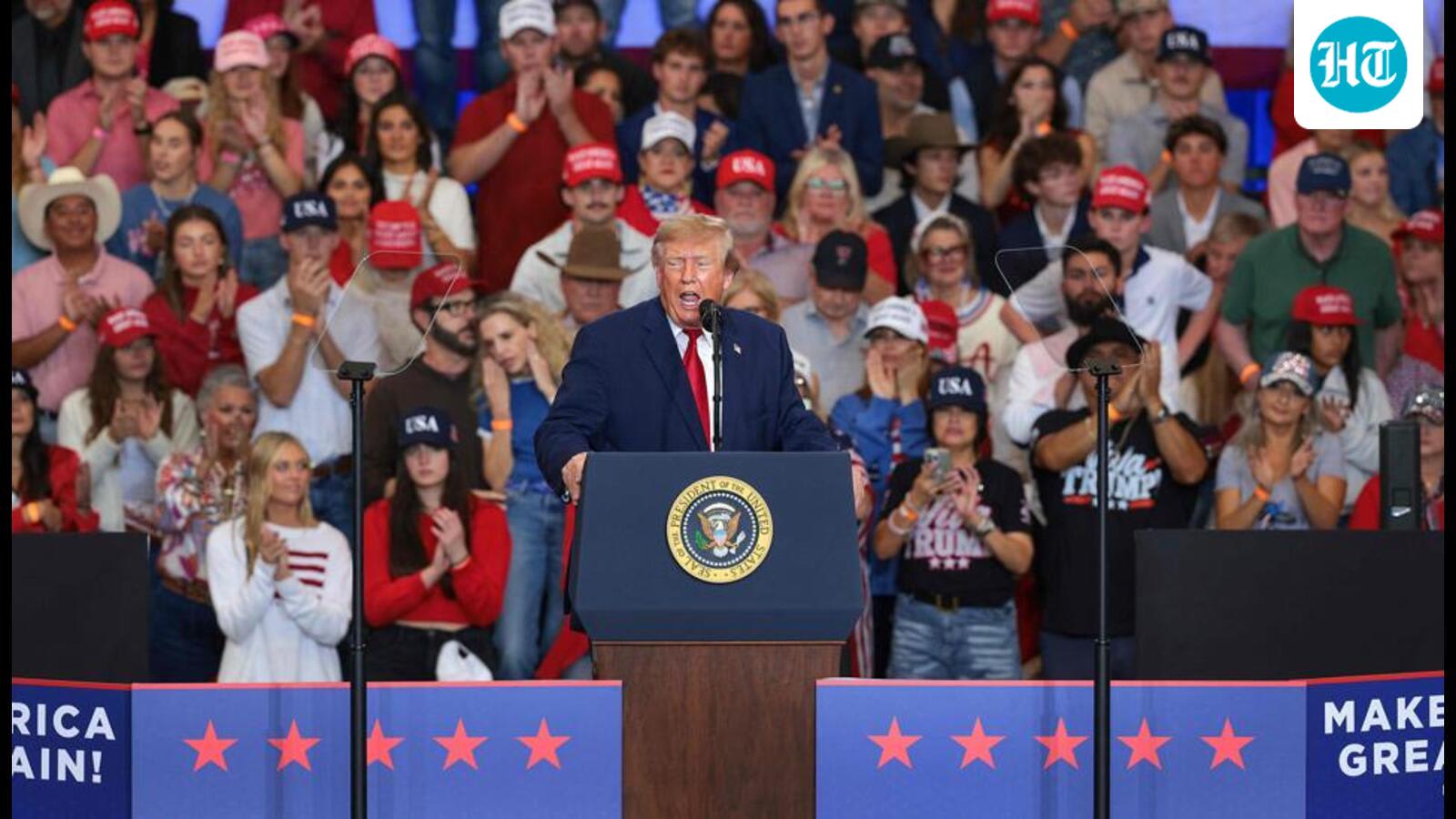
Despite historical trends favoring the opposition in mid-term elections, the Republican Party faces internal challenges that complicate their outlook. While they hold structural advantages, voter enthusiasm remains a critical differentiator for the upcoming cycle.
The Paradox of the 2026 Mid-term Landscape
The American political apparatus is currently navigating a complex period leading into the 2026 mid-term elections. Historically, the party holding the White House faces significant electoral headwinds, typically resulting in a loss of seats within Congress. However, the current cycle is proving to be a departure from standard political norms, as both the Republican and Democratic parties grapple with unique structural liabilities and unexpected voter engagement patterns.
Structural Advantages and GOP Strategy
The Republican Party has entered this election cycle with a proactive strategy to secure legislative control. In states where the GOP maintains control, they have implemented various procedural and administrative adjustments aimed at magnifying their electoral advantages. By leveraging control over state-level mechanisms, the party is attempting to solidify a baseline that would normally insulate them from the typical mid-term losses experienced by a sitting president's party.
The Self-Inflicted Wound
Despite these structural efforts, the narrative surrounding the GOP is currently dominated by internal friction. The policies and decisions enacted during the Trump administration have emerged as a significant disadvantage for the Grand Old Party. Analysts suggest that the party has frequently acted as its own worst enemy, creating obstacles that have hampered their ability to capitalize on the traditional weaknesses of the opposition. These self-imposed challenges have complicated a path that might otherwise have been more straightforward in a business-as-usual political climate.
The Democratic Liability and the 'Blue Wave' Debate
Conversely, the Democratic opposition is not without its own set of critical liabilities. Despite these struggles, the prospect of a 'Blue wave' persists in political discourse. Pundits remain divided on whether the Democrats can successfully reclaim control of the House of Representatives and the Senate. This potential surge is often attributed to a stark contrast in voter sentiment, as the Democratic base currently displays a level of enthusiasm that stands in contrast to the more tepid engagement seen among Republican voters.
Voter Enthusiasm as the Final Arbiter
As the election approaches, the focus of the GOP campaign has shifted toward mobilizing their core constituency. The current Republican strategy is heavily reliant on last-minute efforts to drive their voters to the ballot box, as the party recognizes that their base is currently less energized than that of their opponents. This dynamic underscores a fundamental reality: even with structural advantages, electoral success in the modern era is increasingly predicated on the intensity of voter turnout.
Conclusion: Assessing Future Trends
The 2026 mid-terms represent a critical juncture for American governance. The intersection of state-level structural maneuvering, the lingering political legacy of the Trump administration, and the uneven distribution of voter enthusiasm creates a volatile environment. Whether the GOP can overcome its internal challenges or the Democrats can leverage their relative surge in momentum will be determined by the final voter turnout, marking a pivotal moment in the ongoing struggle for congressional control.
Verification Required?