Over 50 detained at Jantar Mantar; protesters demand reservation for poor, not castes
Source Entity
MEGHNA DHULIA
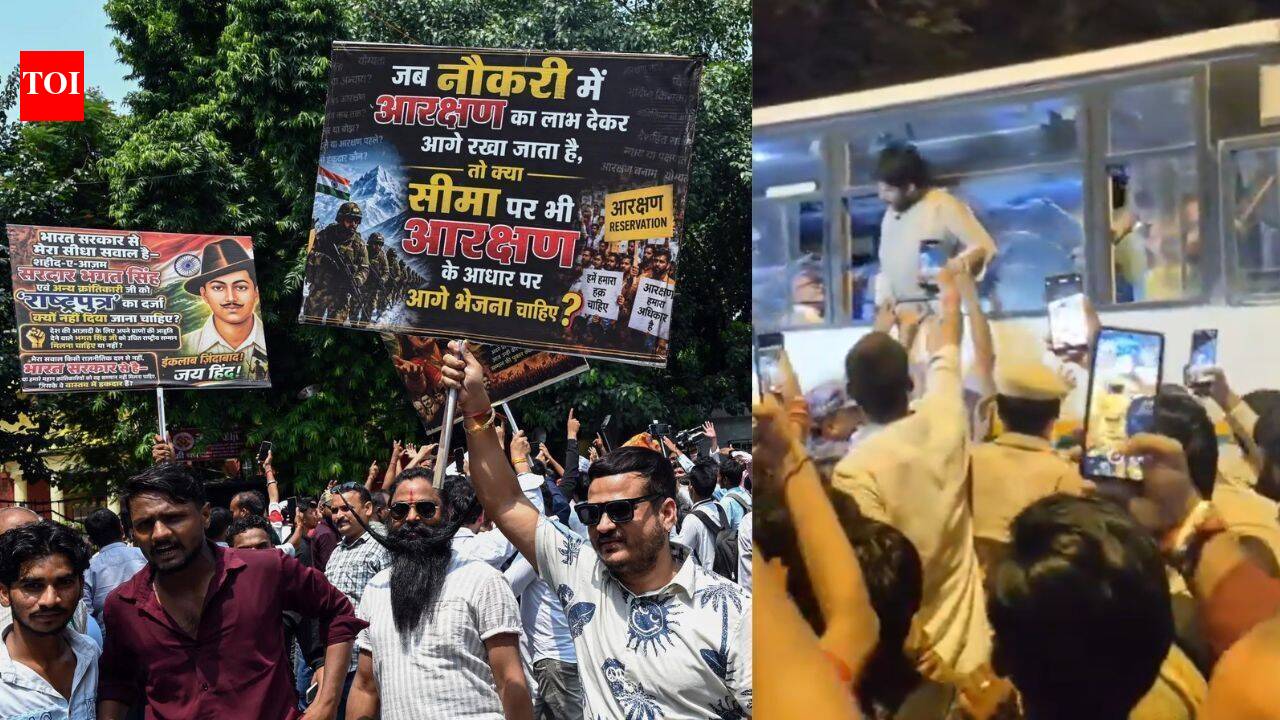
The 'Reservation Hatao Andolan' movement mobilized large crowds in Delhi through social media, leading to detentions at Jantar Mantar. While Delhi Police granted permission for a limited protest at Ramlila Maidan, the unauthorized gathering at Jantar Mantar resulted in security interventions.
The Rise of Digital-First Protest Movements
The recent events surrounding the 'Reservation Hatao Andolan' highlight a significant shift in how political agitation is organized in India. By leveraging an Instagram-based platform with 5.6 million followers, the movement has demonstrated the power of digital mobilization. This campaign, which mirrors the tactical approaches previously utilized by the Cockroach Janta Party (CJP), underscores how social media can bypass traditional organizational structures to assemble large crowds rapidly.
The Legal and Logistical Conflict
The tension between the organizers and the Delhi Police reveals a recurring challenge in managing urban protests. While the Delhi Police ultimately granted a No Objection Certificate (NOC) for an assembly of up to 500 people at Ramlila Maidan until 4 pm, the organizers faced significant pushback regarding their initial plans. The police were clear that no permission had been granted for demonstrations at Jantar Mantar, yet a massive crowd converged there nonetheless, leading to widespread detentions and the deployment of security forces.
Security and Public Order Implications
From a law and order perspective, the gathering at Jantar Mantar presented a clear deviation from the permitted parameters. The installation of barricades and the subsequent detention of protesters carrying banners, posters, and saffron flags indicate a firm stance by the authorities against unauthorized public assemblies. The police warning regarding the spread of misinformation highlights the difficulty of controlling the narrative when digital calls to action outpace formal administrative permit processes.
The Core Ideological Demand
At the heart of this unrest is a vocal demand for the reform or abolition of the existing caste-based reservation system. Protesters, mobilized through social media, are advocating for the inclusion of economic criteria over traditional caste-based metrics. This movement taps into a long-standing and highly polarized debate in Indian politics regarding social equity, meritocracy, and the efficacy of current quota policies.
Future Trends in Political Mobilization
This incident serves as a bellwether for future political movements in India. As social media platforms continue to act as primary venues for political discourse, the state will likely face increased pressure to monitor and regulate digital-only organizations. The contrast between the sanctioned, limited event at Ramlila Maidan and the chaotic, unauthorized gathering at Jantar Mantar suggests that while digital mobilization is effective at driving attendance, it often struggles to align with the regulatory requirements of urban administration. Moving forward, authorities will likely continue to face challenges in balancing freedom of assembly with the imperative of maintaining public order in a hyper-connected, fast-paced digital environment.
Multiple Citing Sources