‘Reservation Hatao Andolan’ solidifies into quota reforms/general category interest platform
Source Entity
India Latest News: Top National Headlines Today & Breaking News | The Hindu
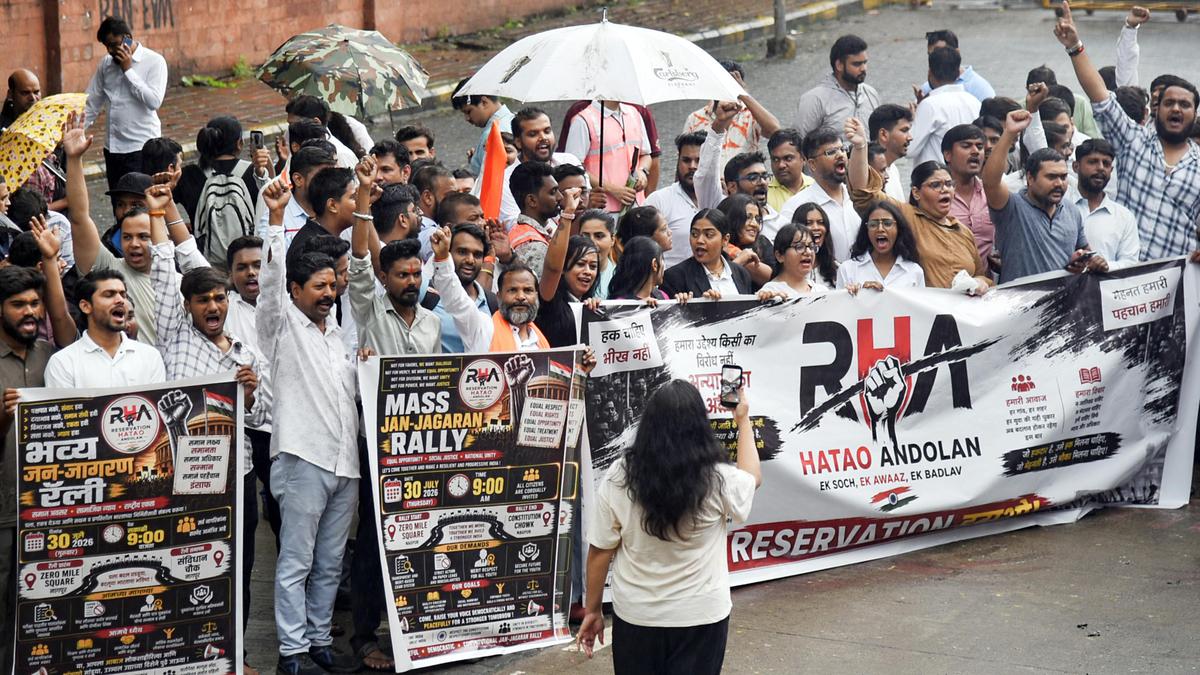
The 'Reservation Hatao Andolan' has evolved into a structured reform movement advocating for the interests of general category citizens. Their formal charter includes demands for a dedicated National Commission and the rollback of specific 2026 UGC caste-equity regulations.
The Evolution of the Reservation Hatao Andolan
The emergence of the 'Reservation Hatao Andolan' (RHA) represents a significant shift in the socio-political landscape regarding affirmative action in India. Initially manifesting as a decentralized protest at Jantar Mantar, the movement has transitioned from raw, spontaneous frustration into a formalized platform now rebranded as the 'RHA Reservation Reforms Movement.' This transformation indicates a strategic pivot toward institutional advocacy, moving away from mere reactionary demonstrations toward a structured political agenda.
Strategic Mobilization and Digital Reach
The movement’s growth is deeply rooted in modern digital mobilization strategies. By utilizing social media platforms—specifically adopting an Instagram-based outreach style reminiscent of grassroots digital organizing—the RHA has successfully tapped into the sentiments of general category students. This digital-first approach has allowed the movement to aggregate grievances from a geographically dispersed demographic, turning localized anger into a cohesive collective identity that challenges the current reservation framework.
Core Demands and Policy Challenges
At the heart of the RHA’s agenda is a formal charter of demands released on August 25, 2026. The most prominent of these is the call for the establishment of a 'National Commission for the General Category.' This demand seeks to create an institutional body that would mirror the functions of existing commissions for SC, ST, and OBC communities, effectively arguing for a formal mechanism to represent those not covered under current affirmative action policies.
Confronting Educational Policy
The movement has specifically targeted the University Grants Commission’s (UGC) 2026 caste-equity rules, demanding a complete rollback. By focusing on academic policy, the RHA highlights the tension between institutional efforts to ensure representation and the perceived interests of students from the general category. This focus suggests that the movement views the current educational regulatory framework as a primary site of contention regarding meritocracy and equity.
Legal and Social Implications
Beyond educational policy, the movement is calling for a formal review of the SC/ST (Prevention of Atrocities Act). This demand signals an intent to challenge not just academic quotas, but the broader legal framework governing social protections in India. By questioning the application of these laws, the RHA is positioning itself to engage with the most sensitive aspects of Indian social legislation, which will likely lead to heightened legal and political scrutiny in the coming months.
Future Outlook
As the RHA moves forward, its ability to maintain momentum will depend on its capacity to navigate the complex legal environment surrounding reservation laws. The transition from protest to a formal charter of demands marks a maturing of the movement, yet it also invites greater opposition from established socio-political groups. Whether this movement can influence future legislative changes or if it will face significant pushback from existing institutional structures remains a critical point of development for national political discourse.
Verification Required?