Durga Puja pandal on Suvendu Adhikari: Bengal CM’s political journey set to be displayed in Kolkata
Source Entity
Ravik Bhattacharya
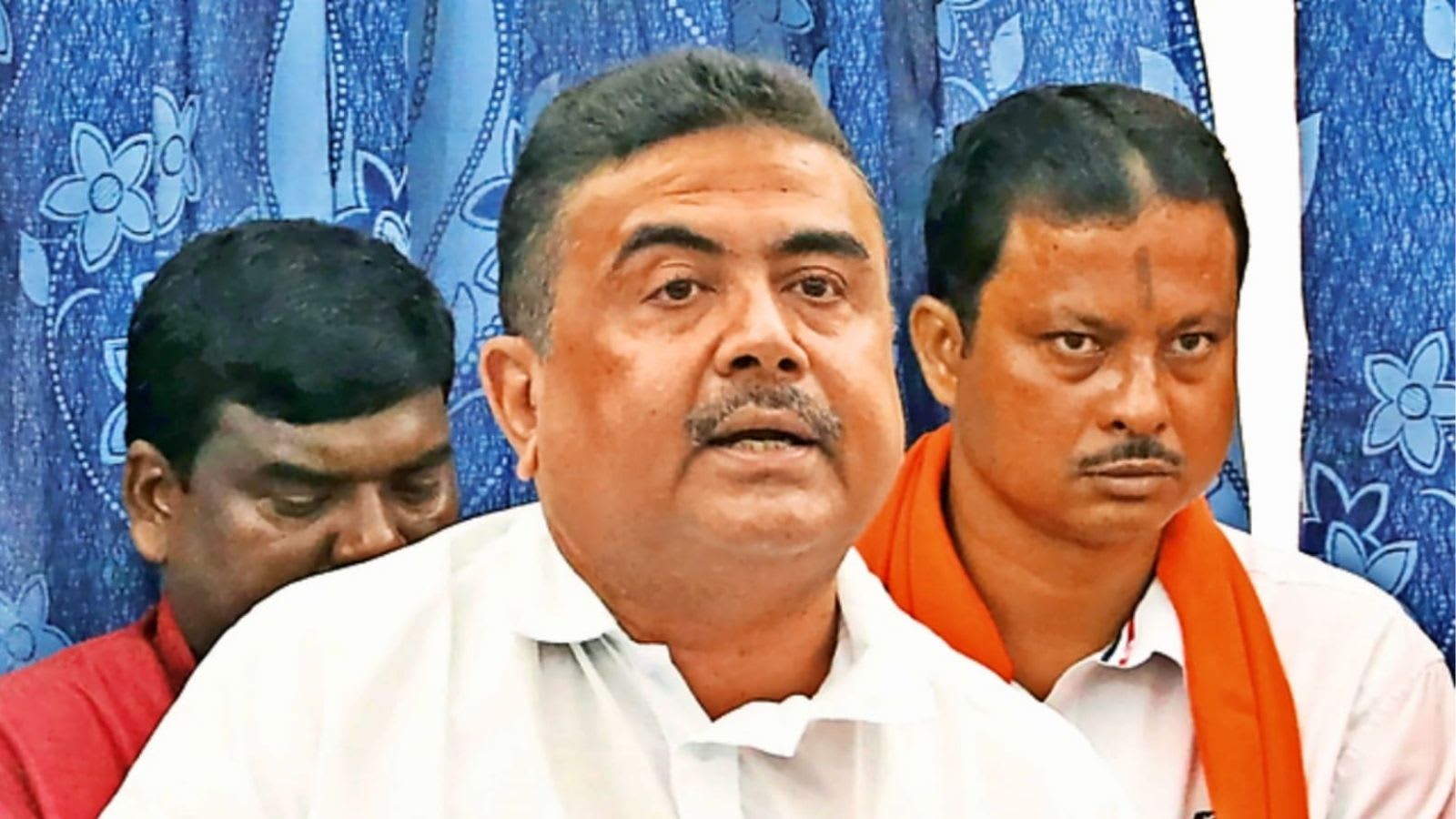
West Bengal's political landscape is highlighted by a unique Durga Puja pandal celebrating Suvendu Adhikari's career alongside a new state initiative to repatriate 22 lakh migrant workers. These developments reflect a shift in the administration's focus toward political branding and rural employment.
The Intersection of Culture and Politics in Bengal
In a striking fusion of cultural festivities and political narrative, Kolkata is set to feature a Durga Puja pandal dedicated to the political journey of West Bengal Chief Minister Suvendu Adhikari. The installation, titled ‘Nandigram theke Nabanna, Bubaiyer Jayajatra’, captures the trajectory of the BJP leader, tracing his origins from student activism through the pivotal Nandigram land agitation, his transition to the BJP, and his eventual rise to the state’s highest office. Organized by the Akhil Bharatiya Hindu Mahasabha near Ruby General Hospital, this pandal serves as a public-facing chronicle of Adhikari’s career, marking a unique instance where a sitting Chief Minister’s life story becomes the central theme of a major religious festival.
Analyzing the 'Nandigram to Nabanna' Narrative
The narrative focus on the 'Nandigram to Nabanna' journey is highly symbolic, rooting Adhikari’s political identity in the grassroots movements that reshaped West Bengal’s political landscape. By highlighting his nickname 'Bubai' and his ascent to winning the party’s first mandate in the state, the organizers are effectively cementing his persona as a leader forged in struggle. This public display acts as both a biographical retrospective and a strategic communication tool, aiming to solidify his image among the electorate during the state's most culturally significant annual event.
Economic Policy: The Migrant Worker Initiative
Simultaneously, the Adhikari-led government has unveiled a significant socio-economic policy aimed at domestic labor retention. The state has launched a concerted drive to bring back over 22 lakh migrant workers who have historically left West Bengal in search of employment. This initiative is not merely administrative; it is an attempt to reverse the trend of labor migration by integrating these workers into the Centre’s guaranteed rural employment scheme, VB–G RAM G, which promises 125 days of work annually to unskilled manual laborers.
Strategic Implications for Governance
The directive issued to district magistrates to facilitate the enrollment of these workers underscores a push toward rural stabilization. By promising work opportunities in a state that the Chief Minister describes as “entering the era of development,” the administration is attempting to bridge the gap between political rhetoric and tangible economic outcomes. The success of this policy could be instrumental in altering the demographic and economic profile of the state’s rural belts.
Future Trends and Political Consolidation
Looking forward, these dual developments—the public cultural branding of the Chief Minister and the large-scale labor repatriation drive—suggest a two-pronged strategy. One prong relies on cultural visibility and narrative control, while the other focuses on concrete welfare delivery to secure political loyalty. If the government successfully brings these 22 lakh workers back and provides them with the promised employment, it could significantly strengthen the administration's support base. As the state approaches future political cycles, the ability to balance such high-profile cultural displays with effective grassroots welfare will likely define the long-term viability of the current governance model.
Multiple Citing Sources